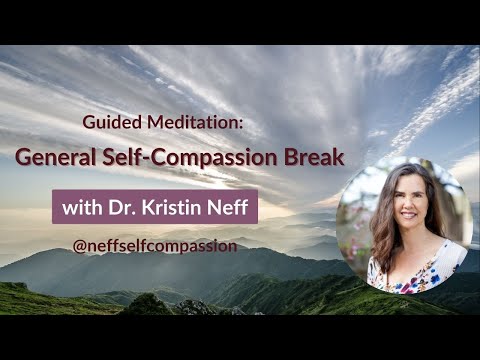
You know those days when you’re just way too hard on yourself? Like, you mess up and all you can think is, «Ugh, why did I do that?»
Well, let me tell you—there’s a better way to deal with those moments. It’s called self-compassion. Sounds nice, huh?
Kristin Neff is like the queen of this stuff. She’s got some amazing insights on how to treat yourself like you’d treat your best friend—kindly and gently.
Imagine showing yourself that same love and understanding! Seriously, wouldn’t that change everything? With her guidance, you’re gonna learn how to be more forgiving and accepting of your own mistakes.
So grab a comfy seat! Let’s dig into this mindful self-compassion journey together. It’s time to be a little nicer to ourselves!
Mastering Self-Compassion: The Three Essential Steps by Kristin Neff
Mastering self-compassion is like giving yourself a warm hug when life feels rough. Kristin Neff, a leading voice in this field, breaks it down into three essential steps that can really help you turn kindness inward. So let’s unpack these steps; they might just change the way you treat yourself.
1. Self-Kindness vs. Self-Judgment
This first step is all about being nice to yourself instead of harsh. When things go wrong, it’s super easy to fall into that trap of self-criticism. You know, those nasty thoughts like, “I can’t believe I messed up again.” What you want to do is flip the script! Imagine you’re comforting a friend who’s feeling down. You wouldn’t say, “Get over it!” but rather something supportive and understanding, right? So why not do that for yourself? It’s about recognizing your suffering and treating yourself with care.
2. Common Humanity vs. Isolation
Next up is realizing that you’re not alone in your struggles. Seriously! Everyone messes up sometimes, and everyone has moments when they feel inadequate or lost. It’s part of being human! When you’re feeling down about something—a work failure or a personal issue—it can feel isolating like you’re the only one dealing with this stuff. But guess what? Most people have been right where you are at some point in their lives. Connecting with this common humanity helps lessen feelings of isolation and guilt.
3. Mindfulness vs. Over-Identification
The final step involves being mindful of your emotions without getting overwhelmed by them—basically, seeing them without judgment and letting them be there without trying to push them away or dive deep into them like a pool of despair! Think of mindfulness as observing your thoughts and feelings as if they’re clouds drifting by in the sky—acknowledging they’re there but not letting them take over your day or mood.
You could even try some breathing exercises or meditation techniques that Neff suggests in her work if that resonates with you! They can help ground you during tougher moments so you’re less likely to get swept away by negative emotions.
These three steps aren’t something you’ll master overnight; it takes practice—kind of like learning to ride a bike or play an instrument! Slowly but surely, you’ll start treating yourself with more compassion and understanding.
Incorporating these elements into your daily life can be transformative; it changes how you deal with failures and setbacks from being full of shame to a space where growth can happen—you know what I mean? Self-compassion isn’t just fluffy stuff; it’s solid groundwork for emotional resilience!
So go ahead: give it a shot! Remember, you’re navigating this tricky journey called life just like everyone else, and practicing self-compassion could really lighten that load a bit!
Exploring Kristin Neff’s Mindful Self-Compassion Program: A Guide to Enhanced Emotional Well-Being
Mindful self-compassion, huh? It’s a pretty cool concept introduced by Kristin Neff. Basically, it’s all about treating yourself with the same kindness and understanding that you’d show a friend. Sounds simple, right? But sometimes, we’re our own worst critics. You know how it is when you mess up. Instead of being gentle with yourself, you might get stuck in your head with all those negative thoughts.
What is Mindful Self-Compassion?
So, to break it down a bit, mindful self-compassion has three main components: mindfulness, self-kindness, and common humanity.
Imagine this: Picture a time when you totally flubbed an important task—like forgetting your best friend’s birthday or messing up at work. Instead of drowning in shame and guilt, what if you took a step back and said, “Hey, everyone makes mistakes!” That shift in perspective can lighten the emotional load.
The Program
Kristin Neff created an eight-week program that walks people through these concepts. Each week focuses on different aspects like understanding your inner critic or cultivating self-kindness. For example:
Here’s the thing: doing the practices might feel weird at first. Like sitting quietly while focusing on your breath? It could feel super uncomfortable initially! That’s totally okay because getting used to new habits takes time.
The Benefits
Research shows that practicing mindful self-compassion can lead to better emotional well-being. People report feeling less anxious or depressed after engaging with the program.
It’s like when you’re feeling low; instead of isolating yourself because you’re afraid others won’t understand, leaning into this program helps remind you about shared experiences—helping build connections.
Also, think about how great it would be if we could stop berating ourselves for every little thing! Imagine being able to forgive yourself more easily instead—it makes tackling challenges less daunting!
In summary? Mindful self-compassion isn’t just some fluffy concept; it has roots in real psychological research and offers tangible tools for improving your emotional health! So next time you’re wrestling with negative thoughts or feelings—maybe give this approach a shot? It might just surprise you with what it brings into your life.
Exploring Kristin Neff’s Connection to Buddhism: Insights on Self-Compassion and Mindfulness
So, let’s talk about Kristin Neff and how her work on self-compassion totally connects with Buddhism. Seriously, this stuff is pretty eye-opening. Self-compassion and mindfulness are big deals in both Neff’s teachings and Buddhist philosophy.
Neff, who’s like a pioneer in self-compassion research, really digs deep into how treating ourselves kindly can change our lives. You know, it’s all about not being our own worst critics. She talks about three main components of self-compassion:
- Self-kindness: Being warm and understanding toward ourselves when we suffer or fail.
- Common humanity: Recognizing that suffering and personal inadequacy are part of the shared human experience.
- Mindfulness: Holding painful thoughts and feelings in balanced awareness rather than over-identifying with them.
Now, when you think about Buddhism, it emphasizes similar themes, especially mindfulness. In a way, both Neff and Buddhist teachings remind us to just be present with what we’re feeling without judgment. Like when you’re stuck in that moment of frustration; instead of beating yourself up for being human, you just sit with it.
Let me give you an example from my own life. There was this one time I flunked a test I thought I had nailed. Ugh! Instead of going down that dark road where I berate myself endlessly, I tried to practice some self-kindness. I told myself it was okay to mess up—that everyone fails sometimes and it’s part of the learning process. That’s basically what Neff talks about.
Neff’s connection to Buddhism goes deeper than surface-level principles though. She emphasizes mindful self-compassion, a practice that helps integrate these ideas into daily life. As you become more aware through mindfulness—like noticing your thoughts without getting swept away—you create space for more kindness towards yourself.
This whole approach isn’t just fluffy stuff; research shows that practicing self-compassion can lead to better mental health outcomes like less anxiety and depression. And isn’t that what we all want? To feel good about ourselves even when life throws curveballs?
In a nutshell, Kristin Neff beautifully intertwines these Buddhist principles into her work on self-compassion, making them super accessible for everyone today who might be struggling or just looking for a kinder way to navigate life. The idea is simple but profound: be gentle with yourself because we’re all in this together!
You know, there’s something really powerful about self-compassion. I mean, we’re often our harshest critics, right? I remember a time when I flunked an exam. Instead of being gentle with myself, I spiraled into that cycle of self-judgment. It felt like a heavy weight on my chest. But then, I stumbled upon Kristin Neff’s work on mindful self-compassion, and let me tell you—it was like a lightbulb moment.
Kristin has this amazing way of breaking things down. She talks about treating ourselves like we’d treat a good friend. Can you imagine? If a friend came to you feeling down about something they messed up, you wouldn’t say, “Wow, you really blew it! How could you be so stupid?” Nah! You’d probably offer some comforting words and remind them that it’s okay to be human.
That’s the heart of what Neff teaches—acknowledging your suffering without judgment and responding with kindness. Practicing mindfulness helps us get present with our feelings instead of pushing them away or getting lost in negative thoughts. And the thing is, when you start practicing self-compassion, it can truly change your relationship with yourself.
I remember sitting quietly one day, trying out some of her techniques—like focusing on my breath and gently reminding myself that everybody stumbles sometimes. It felt strange at first but also kind of freeing. With each inhale and exhale, those harsh thoughts started to soften.
What’s kind of neat is that Neff emphasizes it’s not just about feeling sorry for ourselves—it’s about recognizing our common humanity too. Everyone has flaws and experiences tough times! Just thinking about how we’re all in this together brings a sense of connection that feels really comforting.
So yeah, practicing mindful self-compassion isn’t always easy; it takes time and patience. But the more you do it, the more you start seeing yourself through kinder eyes. I guess it’s like learning a new language—you don’t get fluent overnight but slowly begin to express love for yourself in ways that feel refreshing and authentic.