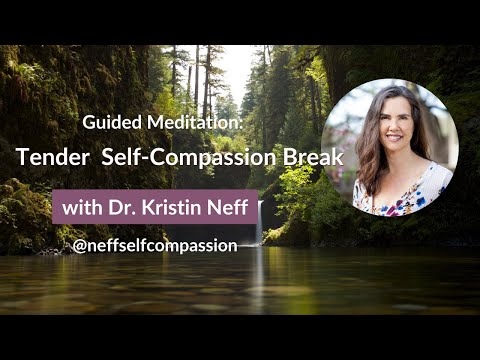
You know those days when you just can’t cut yourself a break? Seriously, it’s like: why am I my own worst critic?
Well, have you ever thought about self-compassion? It’s like giving yourself a hug when things go wrong instead of beating yourself up.
Kristin Neff has this amazing way of explaining it. She’s all about teaching us to be kinder to ourselves.
Her meditations are super helpful for finding that inner warmth. So if you’re ready to explore some juicy self-love vibes, let’s chat about how you can start cultivating that compassion!
Unlocking Self-Compassion: The Three Essential Steps of Kristen Neff’s Approach
Self-compassion is like giving yourself a warm hug when you’re feeling down. It’s that soothing voice within that says, “Hey, it’s okay. You’re human.” Kristin Neff, a leading expert in this area, breaks it down into three essential steps. Let’s explore them together.
1. Self-kindness vs. Self-judgment
The first step is all about being kind to yourself instead of harshly judging your mistakes. When you mess up, do you ever find yourself spiraling into self-criticism? It’s something we all do sometimes! Instead of thinking, “I can’t believe I did that,” try flipping the script. Imagine a close friend in your shoes—would you chastise them? Probably not! So, practice talking to yourself with the same care and understanding.
2. Common humanity vs. Isolation
Next up is recognizing that suffering and personal inadequacy are part of being human. Seriously, no one has it all figured out! This realization can be uplifting when you feel alone in your struggles. It’s easy to feel like you’re the only one who goofs up or feels overwhelmed. But the truth is everyone goes through tough times. Connecting with that shared experience can lift some weight off your shoulders.
3. Mindfulness vs. Over-identification
Finally, there’s mindfulness—this means bringing awareness to your thoughts and feelings without judgment or suppression. Have you noticed how easy it is to get caught up in negative thoughts? Instead of letting them define you, just observe them as they pass by like clouds in the sky. Acknowledge what you’re feeling without getting swept away by it.
So when you’re feeling down or facing difficult emotions, remember these three steps: be kind to yourself, acknowledge that everyone else struggles too, and stay present with what you’re feeling without judgment.
By practicing these steps regularly, you’ll find self-compassion becoming second nature over time—like stretching those muscles until they’re nice and strong!
Understanding Self-Compassion: Insights from Kristin Neff’s Research
Self-compassion is a game changer, and it really gained traction thanks to the work of Kristin Neff. She’s like the pioneer of research on this concept, and her insights are super helpful for anyone trying to be kinder to themselves.
So, what is self-compassion, anyway? It’s basically treating yourself with the same warmth and understanding you’d offer a good friend. Imagine if you fell short on something — instead of beating yourself up, you’d say something like, “Hey, it’s okay! Everyone messes up sometimes.”
One big part of Neff’s research is that self-compassion consists of three main components:
- Self-kindness: This means being gentle and understanding toward yourself when things go wrong. Like, instead of saying «I’m such a loser,» you might think, «That was tough, and I’m just human.»
- Common humanity: Acknowledging that everyone struggles sometimes helps ease feelings of isolation. You’re not alone in this—everyone faces challenges.
- Mindfulness: This involves being aware of your thoughts and feelings without getting swept away by them. It’s about recognizing your pain without exaggerating it or shutting it down.
Neff emphasizes that self-compassion isn’t just some feel-good fluff; it has real benefits! People who practice self-compassion tend to report lower levels of anxiety and depression. It’s like if you give yourself a break when you’re feeling low; your mood can actually improve over time.
And meditation plays a key role here too. Neff offers meditations designed specifically to cultivate self-compassion. One simple exercise goes like this: Picture someone you love in distress. What would you tell them? Now turn that kindness inward and speak to yourself the same way. It sounds easy enough but can feel surprising powerful.
Take Emily for example—she always struggled with self-criticism after making mistakes at work. By practicing Neff’s meditations regularly, she began softening her inner dialogue. When she made an error in an important project, instead of spiraling into shame, she acknowledged her feelings but then reminded herself that others have gone through similar situations too.
Learning to be more compassionate toward ourselves takes practice—it’s not an overnight switch! The more we integrate these principles into our lives through mindfulness exercises and flexible thinking patterns, the more we set ourselves up for resilience against life’s inevitable ups and downs.
Remember though: it’s totally normal to feel uncomfortable with self-compassion initially. But just like anything new, practicing it regularly can make a world of difference in how we handle tough times — both emotionally and mentally.
In short, Kristin Neff shows us that self-compassion isn’t selfish; it’s essential for our well-being! By embracing kindness towards ourselves—just as we would with others—we create space for growth and healing. So why not give it a shot?
Understanding the Self-Compassion Scale: Insights from Kristin Neff
The concept of self-compassion really takes center stage when you look at Kristin Neff’s work. Basically, it’s about treating yourself with the same kindness and understanding that you’d offer a good friend. You know those days when you feel like everything’s going wrong and your inner critic just won’t shut up? That’s where self-compassion steps in, saying, “Hey, it’s okay to struggle.”
So, what exactly is the Self-Compassion Scale? It was created by Neff to measure how kind we are to ourselves during tough times. The scale includes items like recognizing that suffering is a shared human experience or being gentle with oneself instead of harshly critical. It gives you a snapshot of your self-compassion levels.
The Self-Compassion Scale focuses on three main components:
- Self-Kindness: This is about being warm and understanding toward yourself, especially in moments of pain or failure.
- Common Humanity: Recognizing that everyone struggles; it’s part of the human experience. You’re not alone!
- Mindfulness: This involves keeping your emotions balanced and avoiding over-identifying with them. It’s okay to feel sad or anxious without letting those feelings define you.
Imagine for a second you’ve messed something up at work—a presentation went south, for instance. Instead of spiraling into self-loathing—“I’m such an idiot!”—self-compassion would nudge you to think more gently: “It happens! Everyone makes mistakes.” Just acknowledging that it’s part of life can lighten the emotional load.
Neff emphasizes that practicing self-compassion can lead to less anxiety and more resilience. So how do you cultivate this quality? Well, Neff offers various forms of meditation and mindfulness exercises designed specifically for boosting self-compassion.
Think about doing a simple meditation where you focus on breathing and repeat phrases like “May I be kind to myself.” Just taking a few minutes each day can create lasting changes in your mindset.
And here’s something cool: research shows that people who score high on the Self-Compassion Scale often report greater emotional well-being and resilience. They handle stress better because they give themselves permission to be imperfect.
So next time you’re grappling with your inner critic, remember Kristin Neff’s insights on self-compassion. You deserve kindness from yourself as much as anyone else does! It’s all about nurturing that relationship you have with yourself; after all, you’re stuck with you every day!
You know, self-compassion is one of those things that seems easy to talk about but can be super tough to put into practice. I remember this time when I was feeling really down on myself after a big mistake at work. I mean, I was kicking myself for days! It was like a never-ending loop of self-criticism in my head. Then, someone mentioned Kristin Neff’s self-compassion meditations, and honestly, it opened up a whole new world for me.
So Kristin Neff is like this pioneer in the self-compassion field, and her approach is all about treating yourself with the same kindness you’d offer to a friend. That’s such a simple idea, but it hits deep. When you mess up or feel inadequate, instead of beating yourself up like some kind of drill sergeant, you take a step back. You acknowledge what happened without judgment. Sounds easy enough, right? But it took me some practice.
When I first tried her meditations, they felt kinda awkward—like trying to learn how to ride a bike after years of just walking everywhere. The thing is, they encourage you to really connect with your feelings instead of pushing them away. You sit quietly and think about what’s bothering you while reminding yourself that everyone struggles sometimes—that you’re not alone in your pain. It’s all about recognizing that suffering is part of being human.
I found that during these sessions, I started to let go of the harsh inner critic who seemed to love making appearances at my lowest moments. Instead, I began developing this warm voice in my head that said things like “Hey, it’s okay,” or “You’re doing your best.” Seriously—it felt like giving myself permission to just be human!
I think one cool thing about Neff’s meditations is their focus on mindfulness as well. When you’re mindful, you’re aware of your thoughts without getting stuck in them; it’s like watching clouds float by instead of getting caught in the storm. For example—let’s say you’re having a rough day—you can pause and recognize those emotions without smothering yourself with shame or guilt for feeling them.
Over time—though it wasn’t overnight—I started noticing changes in how I handled stress or setbacks. Instead of spiraling into negative thoughts after an embarrassing moment or even messing up dinner again (yeah… that’s real life), I’d take a breath and remind myself: Hey! It happens!
So if you’ve ever found yourself struggling with being kind to yourself—and who hasn’t?—give these meditations a shot! They’re not magic pills or anything; it takes patience and practice. But seriously? They can help transform that inner dialogue from relentless judgment into compassionate understanding. And once you start on this journey toward self-compassion? Well… it feels pretty liberating!