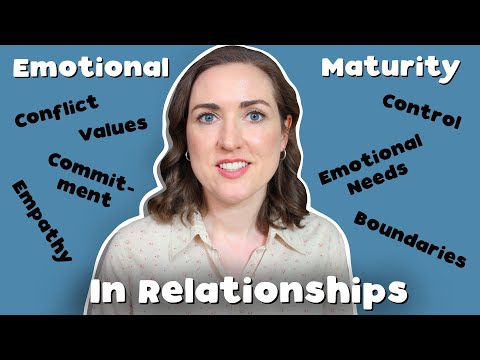
You know that feeling when someone just doesn’t get it? Like, you’re trying to have a serious talk, but they’re making jokes? Yeah, that’s emotional immaturity, and it can totally mess things up in relationships.
We’ve all been there. It’s frustrating. You might find yourself questioning why your partner is acting more like a kid than an adult. Seriously, one moment you’re having a sweet conversation, and the next, they’re throwing a tantrum over something so small.
It’s tough to navigate those waters. Emotional maturity isn’t just about growing older; it’s about learning how to connect with others on a deeper level. Sometimes we expect people to just know how to handle their feelings, but it doesn’t work that way.
So let’s chat about this whole thing—what happens when emotional growth stalls? It affects friendships, romantic relationships, and even family ties. It’s kinda wild how much it can mess with our connections with each other.
Understanding Emotional Immaturity in Relationships: Signs and Impacts
Emotional immaturity in relationships can really throw a wrench in the works. It’s like trying to build a house with someone who only knows how to paint the walls. You might think it’s all fun and games at first, but eventually, you start noticing cracks in the foundation.
So, what exactly is emotional immaturity? Well, it refers to the inability to manage emotions effectively. It can show up as childish behavior or coping mechanisms that just don’t match the situation at hand. Imagine you’re having a serious talk about finances with your partner, but instead of engaging like an adult, they start sulking or throwing a tantrum—super frustrating, right?
Here are some signs that might point to emotional immaturity:
- Poor communication skills: They might avoid deep conversations or communicate through passive-aggressive comments.
- Blame game: Instead of owning up to their mistakes, they deflect responsibility onto others.
- Inconsistent behavior: One minute they’re super affectionate and the next they’re distant—it keeps you guessing.
- Avoidance of conflict: They might shut down or run away when things get tough instead of facing issues head-on.
- Immature coping mechanisms: Instead of handling stress in healthy ways, they could resort to yelling or even withdrawing completely.
The effects of being emotionally immature can be pretty significant. You may find yourself constantly trying to patch things up while feeling unheard or dismissed. It’s like being stuck on a carousel—you’re moving around but not getting anywhere meaningful.
Imagine this: you’ve had a long day and just want someone to listen when you vent about it. But instead of empathy, your partner cracks jokes or changes the subject entirely. That can leave you feeling isolated and frustrated.
Also, emotional maturity affects trust and intimacy levels in relationships. If one person tends to act out or avoids vulnerability, it makes forming deeper connections tougher. Over time, this emotional distance can lead to resentment.
Feeling overwhelmed by all this? It’s understandable! If you’re dealing with someone emotionally immature—or maybe even realizing some patterns in yourself—don’t hesitate to seek help from a therapist. They can guide you through understanding these behaviors and how they affect your relationships.
So yeah, navigating relationships where emotional maturity is lacking is definitely challenging. But recognizing these signs is the first step toward finding healthier ways to connect—or deciding if it’s better to step away for your own peace of mind.
12 Phrases That Reveal Emotional Immaturity in Conversations
It’s no secret that emotional immaturity can mess with relationships. You know, when someone just doesn’t get how to handle their feelings or those of others? So let’s chat about some phrases that can pop up in conversations and give you a hint about that emotional maturity, or lack thereof.
1. “That’s just how I am.” This one really says it all. It hints at a refusal to change. If someone’s got issues but isn’t willing to work on them, that’s a red flag.
2. “You’re too sensitive.” Wow, right? When someone dismisses your feelings like this, it shows they don’t really get empathy. Everyone has their own emotional scale, and belittling yours is a huge no-no.
3. “I don’t care what you think.” This phrase flies in the face of any healthy communication. If they’re shutting down your opinions, they probably aren’t interested in having a respectful conversation.
4. “It’s not my fault.” Here we go again! Blame-shifting means they’re not owning up to their actions or how those affect you and others around them.
5. “You make me feel…” This one kinda twists things around! It suggests you are responsible for their feelings, which is super unfair and puts pressure on you to manage their emotions.
6. “I’m fine!” (when clearly they’re not) It might seem harmless, but saying this while emotionally struggling shows a disconnect with their own inner world or unwillingness to be vulnerable.
7. “Why should I apologize?” Okay, so everyone messes up now and then! Refusing to apologize indicates someone lacks the ability to see beyond themselves and own up to mistakes.
8. “Let’s just forget about it.” Pushing issues under the rug might seem like an easy fix—but you’ll end up tripping over those unresolved feelings later on!
9. “I was just joking!” When jokes hurt others’ feelings? Not cool! Using humor as a shield can signal avoidance of deeper issues instead of addressing them head-on.
10. “You always do this!” Generalizing like this can be damaging in conversations. It leads to defensiveness instead of understanding—nobody wants to be put in a box!
11. “I’ll never forgive you.” Holding onto grudges is toxic! This phrase reveals an inability to move on from hurts and fosters resentment between people.
12. “Just get over it!”This totally minimizes someone else’s experience! Instead of offering support or understanding, it ends up shutting down any chance for connection and healing.
Recognizing these phrases can help you spot emotional immaturity in conversations—saving you from future heartache or frustration in relationships. Understanding these cues makes it easier for us all to navigate our emotional lives better—and maybe even help others grow along the way!
Effective Strategies for Navigating Relationships with Emotionally Immature Partners
Navigating a relationship with someone who’s emotionally immature can be challenging. You might find yourself feeling frustrated, confused, or even exhausted at times. It’s not that they’re bad people; it’s just that they haven’t developed certain emotional skills. Here’s how to deal with it.
Understand Their Behavior
Emotionally immature partners might have trouble expressing feelings properly. They may react to conflicts like children would—throwing tantrums or shutting down instead of talking things through. You see, it’s not just about “growing up” in the usual sense; they might lack the coping tools most of us pick up along the way.
Set Clear Boundaries
It’s super important to establish what is and isn’t acceptable in your relationship. Let them know when their behavior crosses a line. For example, if they lash out during disagreements, tell them you won’t engage in arguments that turn hurtful. Boundaries help protect your emotional well-being.
Practice Patience
Being in a relationship with someone emotionally immature requires a good dose of patience. Look, change doesn’t happen overnight! They may need time to understand their emotions and learn healthier ways to express them. Celebrate small victories together—even if it’s just them making an effort to communicate instead of shutting down.
Encourage Open Communication
Encouraging honest conversations can make a big difference. Create a safe space where both of you can talk about feelings without fear of judgment or retribution. If your partner starts talking about their day but shifts to complaining without considering your feelings, gently steer the conversation toward more balanced exchanges.
Avoid Playing the Therapist
While it’s great to support your partner, remember—you’re not their therapist! Taking on that role can lead to resentment and burnout for you. If they need more help than you can give—like professional support—encourage them to seek therapy themselves.
Pave The Way For Growth
You want both partners in the relationship to grow individually and together. Encourage activities that promote emotional intelligence like journaling or reading self-help materials together. This could lead to some meaningful discussions so one person doesn’t feel left behind while the other grows.
Know When To Walk Away
Sometimes, despite our best efforts, things don’t improve—and that’s okay! You deserve a partner who meets you where you are emotionally and shares similar goals for growth and connection. Recognizing when you’ve done all you can is crucial for your own mental health.
Every relationship has ups and downs, but dealing with emotional immaturity adds another layer of complexity that’s tough yet manageable with these approaches in mind. Just remember: you’re not alone; many people find themselves navigating similar challenges on this winding road called love!
So, let me tell you a quick story. A friend of mine, let’s call her Jess, got caught up in this whirlwind romance. Everything was going great—sparks flying, hearts racing. But then, oh boy! When it came to dealing with conflicts or just everyday stuff? It was like watching a toddler throw a tantrum. Jess would shut down or lash out over the smallest things. And honestly? It made everything so much harder.
Lacking emotional maturity in relationships can really be a tough battle. You know, it’s that ability to understand and manage your feelings—and also to recognize other people’s emotions. When someone doesn’t have that down pat, misunderstandings happen like clockwork. Ever been there? You have a simple disagreement about what movie to watch and suddenly it feels like a scene from a soap opera? Yeah.
It’s not just about big fights; even small moments can get blown out of proportion when emotions run high. Like when you expect your partner to read your mind (which they never seem to). Then frustration boils over and maybe you say something hurtful without really meaning it. Ouch! The damage is done before you realize it.
And here’s the kicker: it doesn’t just affect romantic relationships. Friends and family can find themselves in this emotional tug-of-war too. If one person struggles with handling feelings properly, everyone feels the strain. It’s kind of like trying to build a house on shaky ground; it’s bound to collapse at some point.
Now, I know this emotional stuff isn’t easy for everyone—some folks are still figuring out how to navigate their own feelings before they can deal with someone else’s. That’s where things get tricky! But if you start taking baby steps toward understanding your own emotions first, then reacting more calmly in tough situations becomes easier.
Jess eventually realized she needed some help unpacking all those emotional piles she’d been shoving under the rug for years—therapy helped her see things more clearly. With time and effort, she learned how to express what she was feeling instead of letting it bubble over unexpectedly.
So yeah, recognizing where you’re at emotionally might be challenging at first but seriously pays off in the long run! Relationships become so much healthier when both people invest in their emotional maturity together—it crafts deeper connections that withstand all kinds of storms life throws their way!