You know how winter can sometimes feel like a never-ending gray blanket? Yeah, that’s what I’m talking about.
When the sun dips out early and the days get shorter, lots of people start to feel a little… off. It’s like, suddenly, getting out of bed feels tougher than running a marathon.
That’s where seasonal depression comes in, right? It’s real and it can be a bummer. But here’s the thing: you’re not alone in this!
And guess what? There are ways to tackle those gloomy vibes. One of them is lighting up your life literally!
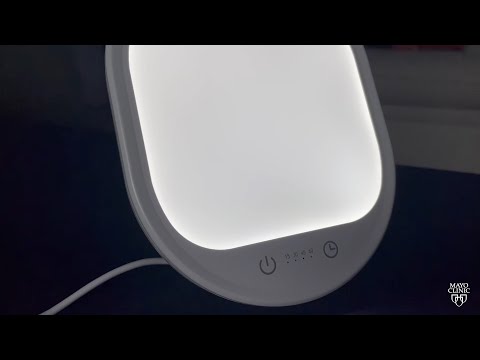
Let’s chat about lamps for seasonal depression and how they might just brighten your days—no pun intended!
Top Light Bulbs to Combat Seasonal Affective Disorder: Illuminate Your Mood
Seasonal Affective Disorder, or SAD, is when folks feel down during the winter months when there’s less sunlight. It’s like this little shadow that creeps in, making everything feel heavier. A lot of people find that using light therapy can really help lift their spirits. Light boxes mimic natural sunlight, which can boost your mood and energy levels. If you’re thinking about trying this out, here are some key points on choosing the right light bulb for your needs.
Light Intensity
When it comes to light therapy, intensity matters. Look for bulbs that give off at least 10,000 lux. This is the brightness typically recommended to help improve mood. The stronger the light, the more effective it tends to be.
Color Temperature
The color of the light is also important. You’ll want bulbs with a color temperature around 5000K to 6500K. This range mimics natural daylight pretty closely. You don’t want something too yellow or too blue; it’s all about getting that sunny feel.
Full-Spectrum Options
Full-spectrum bulbs are designed to produce a balanced spectrum of light similar to natural sunlight. They can really help with SAD since they may improve your overall well-being and energy levels.
Adjustable Brightness
Some lights let you tweak the brightness level. That’s great because sometimes you might want a softer glow in the evening or crank things up during those dark mornings when you’re trying to wake up. Flexibility can be key here.
User-Friendly Design
Consider how easy it is to use. Some bulbs come with timers or remote controls—super handy when you’re trying to fit light therapy into your daily routine without hassle.
I remember a friend of mine had a tough time every winter until she got this awesome full-spectrum lamp for her desk. At first, she thought it was more of a gimmick than anything else, but after using it daily for just a couple of weeks, she felt way more energized and less moody! It was like someone turned on her personal sun.
So yeah, if you’re battling those winter blues with Seasonal Affective Disorder, picking the right bulb could make all the difference! Not only does it brighten up your space physically; it might just lighten your mood too! While everyone’s experience with SAD can vary greatly, many people find that something as simple as adjusting their lighting can add some sunshine back into their lives during those chilly months.
Best Lamps for Boosting Mood: A Guide to Light Therapy for Depression
Light therapy can be a real game changer, especially when you’re dealing with seasonal depression or the winter blues. It’s all about soaking up the right kind of light to help improve your mood. Seriously! You’d be surprised at how much light influences how you feel.
Basically, here’s how it works: your body has this internal clock, known as the circadian rhythm, which helps regulate sleep and mood. When it’s dark outside for long stretches, like in winter months, things can get a little off balance. Light therapy mimics natural sunlight and helps reset that rhythm. So, let’s break down what to look for in a lamp that can boost your mood.
Brightness Level
When selecting a lamp, brightness matters a lot. Aim for something that gives off at least 10,000 lux. This is like exposure to bright daylight without the UV rays! Lamps with lower lux levels might not have the same effect on your mood. And don’t worry; they won’t fry your brain.
Color Temperature
You want lights that resemble natural sunlight. Look for lamps with a color temperature of 5000K to 6500K. This range mimics daylight closely and feels more natural than those harsh fluorescent bulbs.
UV Filter
Some people are sensitive to UV light, which isn’t great for skin health or eye safety. It’s smart to pick one with an UV filter. This way you can enjoy the benefits without risking any sunburns or irritation.
Treatment Time
You don’t need to spend all day under these lamps! Generally speaking, about 20-30 minutes each morning should do the trick. Just make sure you’re close enough—ideally within an arm’s length—to really soak up that light.
Size and Portability
Depending on your space and lifestyle, you might want something compact or easily movable. There are desk lamps perfect for workspaces or larger models that can sit in your living room. Think about where you’ll actually use it most!
So now let’s touch on some practical uses—let’s say you wake up feeling heavy in the mornings during winter; setting up your lamp on your bedside table could work wonders while you read or sip coffee. Or maybe place it at your work desk if afternoons feel sluggish too?
Ultimately, working daily with one of these lamps could help lift some of that weight off your shoulders during those darker months! Sure, it may not completely banish seasonal depression by itself—like anything else in mental health care—it’s best combined with other strategies like talking to someone or exercising regularly.
If you’re feeling like trying out light therapy after reading this? Just remember: try it consistently! Give yourself some time to see how it impacts your mood before making judgments too quickly. Light really does have a way of brightening things up—in more ways than one!
Illuminating Well-Being: The Best Lighting Solutions for Improved Mental Health
You know how light can totally change your mood? It’s like on a sunny day when everything feels a bit brighter. That’s because light does way more than just help us see. It can seriously impact your mental health, especially during those long, gloomy winter months. Seasonal Affective Disorder (SAD), for instance, can really take a toll when the days get shorter and darker.
So let’s talk about some lighting options that can help keep your mental health in check.
Light Therapy Boxes are pretty effective. They’re usually around 10,000 lux, which is way brighter than regular indoor lighting. The idea is to sit in front of one for about 20 to 30 minutes each morning. This exposure mimics natural sunlight and helps kickstart your brain’s production of serotonin—y’know, that feel-good chemical. Many people see improvements in mood after using these consistently.
And then there are Full-Spectrum Bulbs. They try to replicate natural daylight more closely than regular bulbs do. When you use these in your home or workspace, it might feel like you’re hanging out outside even though it’s freezing out there! You can find them in lamps or even replace the bulbs in your fixtures.
Smart Lighting is another option that’s kinda cool and techy. Think of smart bulbs that you can control through an app on your phone! You can adjust the warmth and brightness depending on how you’re feeling or what time of day it is. Some people get super creative by pairing their lighting with their sleep schedule—cooling things down as bedtime approaches and brightening them during work hours.
Also, don’t forget about the Color of Light. Studies show that certain colors can have different effects on our mood. For example, blue light tends to be calming while yellow light makes things feel warmer and happier. So, experimenting with colored bulbs or filters might be fun too!
Oh! And if you love being outdoors but can’t always get out there during winter? Try to soak up any sunlight you can during breaks or weekends—natural daylight boosts serotonin big time too!
Finally, it’s worth noting that while good lighting helps, it isn’t a cure-all for mental health issues like depression or anxiety. It works best when paired with other self-care practices—like therapy or spending time with loved ones.
In short: Light plays a huge role in our emotional well-being. Whether you’re diving into light therapy boxes or just swapping out regular bulbs for something brighter and warmer at home, every little bit helps when it comes to feeling good mentally!
You know, when winter rolls around and the days get shorter, it’s like a switch flips in so many of us. Like, suddenly you’re dragging yourself out of bed and battling that heavy weight of seasonal depression. Those gloomy skies can really mess with your head. I remember one winter, everything felt muted—the world outside was just gray and dull. I had no energy and felt like a ghost floating through my own life.
That’s where lamps come in. Seriously, they’re not just pieces of furniture; they can actually be lifesavers for people dealing with seasonal affective disorder (SAD). These special sun lamps mimic natural sunlight, kind of like a warm hug on a chilly day. Just sitting in front of one for 20 to 30 minutes each morning can give you that burst of energy you’ve been missing.
It’s mind-blowing how something so simple can help lift your mood. You know? Light therapy isn’t some magic potion or whatever; it’s just science working its magic on our brains. Our bodies are wired to respond to light, and when we don’t get enough, it throws off our biological clock, leading to feelings of sadness or lethargy.
And here’s a thought: using these lamps doesn’t just help with the blues during winter months. Some folks find they are great companions all year round—especially if you work indoors or live in places where sunshine is more myth than reality!
So yeah, investing in a good lamp can be like planting seeds for better mental health. It’s about creating an environment that supports your well-being instead of dragging you down into the shadows. Just imagine sipping your morning coffee while basking in that bright glow—what a way to start the day!
But let’s keep things real; lamps alone aren’t going to solve everything. Sometimes it helps to talk it out with someone or even try therapy if those dark clouds won’t budge. Each piece plays its role on this journey toward feeling better.
At the end of the day, we deserve spaces that make us feel alive and vibrant—not just surviving through another season! So if winter has you feeling low, maybe shed some light on the issue—literally!