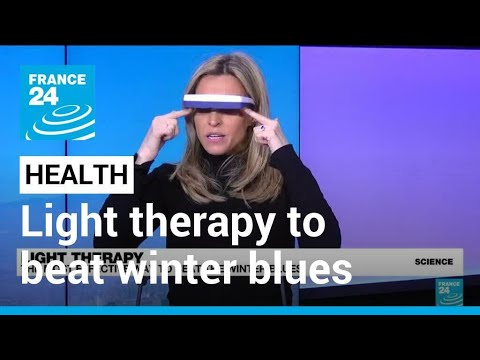
You know those dark winter days? They can be a total drag. Seriously, it’s like the sun forgets to show up.
A lot of folks feel it, that heavy cloud hanging over their mood. And it’s not just you!
Winter blues are a real thing. It’s not just about feeling cold; it messes with your mind too.
But hey, there’s a bright side—literally! Light therapy might just be the pick-me-up you need.
So grab your favorite cozy drink and let’s chat about how light can help lift those winter vibes!
Understanding the Effectiveness of Light Therapy for Combatting Winter Blues
Winter can be a real drag, right? The days are shorter, the weather’s colder, and for many, that can lead to what we often call the «winter blues.» If you’ve ever felt a little more down during those chilly months, you’re not alone. That’s where light therapy comes into play.
So, what exactly is light therapy? Well, it’s pretty straightforward. Basically, you sit in front of a bright light box for about 20 to 30 minutes. This box mimics natural sunlight and helps to signal your brain to produce more serotonin, the hormone that lifts your mood. It sounds simple—and it kind of is!
The science behind it is connected to how our bodies react to sunlight. In the winter months, we get less exposure to natural light. This reduction can mess with our circadian rhythms (you know, the body’s internal clock) and lead to feelings of depression or lethargy. Light therapy helps reset that clock.
Here’s a thought: imagine waking up on a dreary winter morning feeling like you just can’t shake off that heavy blanket of gloom. You sit in front of your light therapy box while sipping on your morning coffee. After just a few sessions, you might start feeling more energized and optimistic! Isn’t that something?
- Timing is key: The best time for light therapy is usually in the morning. This way, you’re kickstarting your day with a burst of brightness.
- Your light needs are personal: Everyone’s different! While some might find relief with just 15 minutes daily, others may need longer sessions.
- Selecting the right device matters: Not all light boxes are created equal. Look for one that emits at least 10,000 lux (that’s a unit of brightness) without UV rays.
- Side effects exist: Some folks experience headaches or eye strain at first but usually adjust over time.
If you’re considering trying out light therapy for those winter blues or even seasonal affective disorder (SAD), it’s smart to consult with a mental health professional first. They can provide guidance tailored specifically for you.
The overall effectiveness of this therapy can be impressive! Many studies show significant improvement in mood and energy levels among people who use it regularly during those grey months.
You know what’s really cool? Light therapy isn’t just for winter blues; it can also help with sleep disorders and even some forms of depression year-round! So if you struggle when the sun goes down too early—or maybe even when daily life feels especially heavy—light therapy could be worth looking into.
The bottom line: Brightening up those cold winter days doesn’t need to feel impossible. Light therapy could be one handy tool in your mental health toolbox when the world outside feels especially bleak.
Exploring the Mental Health Benefits of Blue Light Therapy: How It Affects Your Mind and Mood
Let’s chat a bit about those winter blues and how blue light therapy can help. You know the feeling—short days, gray skies, and suddenly your mood is as low as the temperature outside. It’s not just you; many people feel this way, especially during winter.
So what’s the deal with blue light? Basically, it’s a type of light emitted by the sun but also by screens like your phone or computer. The interesting thing is that blue light can actually affect your mood and mental health in a few ways. Here are some key points to think about:
- Sunlight Connection: During winter, we get less sunlight, which can throw off our circadian rhythm. This rhythm controls our sleep-wake cycle and affects hormone levels, including serotonin—often called the “happy hormone.”
- SAD and Light Therapy: A lot of folks struggle with Seasonal Affective Disorder (SAD), a type of depression that kicks in when daylight hours shorten. Blue light therapy mimics natural sunlight to help lift that gloom.
- Boosting Energy: Just like charging up your phone, exposure to bright blue light can recharge your energy levels. Studies have shown that it may enhance alertness and combat feelings of tiredness.
- Mood Enhancer: Research has suggested that blue light influences neurotransmitters in the brain. That means it might help improve mood for people dealing with depression or anxiety.
I remember chatting with a friend who struggled every winter with deep feelings of sadness. She decided to try out a light therapy box, which emits blue light specifically designed for this purpose. After just a couple of weeks using it daily, she felt more energized and her spirits noticeably lifted. It was like watching her come back to life.
The science behind all this is pretty cool too! When you expose yourself to blue light through these special devices, it seems to send signals to your brain that say: “Hey! Wake up! It’s time to be active!” This process helps balance out those hormones affected by lack of sunshine.
This therapy isn’t just effective in winter either; people are using it year-round for various reasons. Some even use it for general mood enhancement or as part of their routine when they feel down.
If you’re curious about trying blue light therapy, make sure you check with a professional first—especially if you have specific mental health concerns or conditions like bipolar disorder where intense light exposure might not be appropriate.
The bottom line? Light therapy can be an uplifting tool for many people dealing with seasonal sadness or even just everyday blues. Just imagine having a little piece of summer during those cold months—it could make all the difference!
The Impact of Blue Light on Mental Health: Understanding Its Effects and Solutions
You know that feeling when winter rolls around, and everything seems a little dull and gray? Yeah, that’s a real thing. The lack of sunlight can seriously mess with your mood. One culprit in this whole winter blues situation is blue light, which comes from screens and—get this—natural sunlight too.
So, what exactly is blue light? Well, it’s part of the visible light spectrum. It has a short wavelength and high energy. That means it can impact our bodies in more ways than you might think. Blue light regulates our circadian rhythms, which are basically the inner clocks that tell us when to feel awake or sleepy.
When you’re staring at screens—your phone, computer, whatever—you’re soaking up tons of blue light. While it’s not all bad—like it helps keep us alert—too much of it can lead to issues like insomnia and anxiety. You might feel jittery or just… off.
But let’s chat about the specific emotional toll here. There was this study where people reported feeling more stressed and irritable after heavy screen time. Can you relate? I know I can! When I’ve spent too long on my laptop at night, I often end up tossing and turning instead of catching those precious Z’s.
Now here’s where things get interesting: light therapy. This method uses bright lights to mimic natural sunlight, helping ease those winter blues. People sit near these special lamps for about 20-30 minutes every day during the colder months. And guess what? Many folks notice improvements in their moods!
- It can help reset your internal clock.
- Enhances serotonin levels—which is key for happiness.
- Makes you feel more energized and less sluggish.
You might wonder how to set up your environment with this in mind. Try getting outside during daylight hours when you can; even if it’s cloudy, that natural light is still beneficial! Also, consider having regular breaks from screens if you spend lots of time on them.
And hey, seriously consider investing in one of those happy lamps if winter hits hard for you! It doesn’t need to be a big deal; just something bright enough to mimic that sun we all miss.
In short, be mindful of how much blue light you’re absorbing from screens—it can affect your mental health way more than you realize! Balance it out with some sunshine or therapy lights so you don’t let those winter blues linger longer than they have to.
You know that feeling when winter rolls around, and everything just seems a little grayer? The days get shorter, and if you’re anything like me, the cold weather makes you want to just curl up on the couch with a blanket. But here’s the thing: for some folks, this isn’t just about feeling a bit down. It can be a full-blown struggle, like staring into the abyss of winter blues or seasonal affective disorder (SAD).
I remember talking to my friend Lisa during one of those gloomy January afternoons. She’d been really struggling lately—zoning out while trying to work from home and feeling super unmotivated. It wasn’t until she mentioned she felt like she hadn’t seen sunlight in weeks that I realized just how much it was affecting her. Seriously, who can thrive without a little sunshine?
That’s where light therapy comes into play. It’s about shining some actual light on those winter struggles—literally! Light therapy involves sitting near a special light box that mimics natural sunlight. It’s thought to help reset your body’s internal clock and boost your mood by increasing serotonin levels. This can be such a game changer for people dealing with SAD or those who just feel extra blue during the colder months.
I mean, it sounds pretty simple, right? Just sit in front of some bright light for about 20-30 minutes each day. But the impact can be huge. I once heard about someone who started using a light box every morning and suddenly felt more awake and energized throughout the day; they even started tackling their work projects with enthusiasm instead of dread!
But just throwing yourself in front of some artificial sunshine isn’t everything. Of course, finding joy in other small things helps too—like bundling up for a brisk walk outside when it’s sunny (even if it’s freezing) or cozying up with friends for hot chocolate night to enjoy those precious bits of daylight together.
So yeah, if you’re feeling that winter funk creeping in, maybe think about trying light therapy along with those little bursts of joy because it could really brighten things up for you!