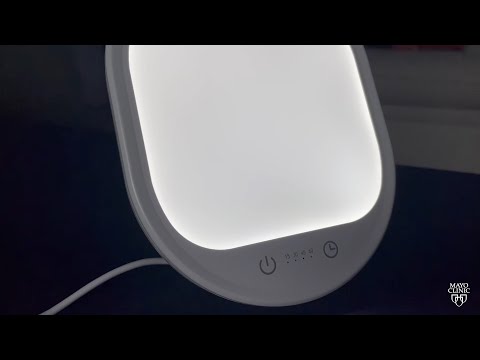
You know those gloomy winter days? Yeah, the ones that seem to suck all the energy out of you. Like, one minute you’re feeling fine, and the next, you’re just… blah.
Well, that’s where lamps for Seasonal Affective Disorder (SAD) come into play. Seriously, they can be a game changer! You ever feel like you just can’t shake off that dreary mood?
Let’s talk about how these bright little wonders can help boost your mental well-being and make those dark times feel a bit brighter. There’s a lot more to it than just sitting under a fancy light!
Unlocking Relief: How Light Therapy Alleviates Depression and Anxiety
There’s something about light that can really change your mood, you know? Especially during those dreary winter months when the sun seems to play hide and seek. This is where light therapy steps in. It’s like a little sunshine in a box that can make a big difference for folks dealing with depression and anxiety.
So, what’s the deal with light therapy? Basically, it involves sitting near a special lamp that mimics natural sunlight. You might’ve heard of it mostly for Seasonal Affective Disorder (SAD), which affects people when there’s less daylight. But it can also help others struggling with general anxiety or depression too.
Now, let me tell you about Sarah. She used to feel so down during the winter months that she’d just curl up on her couch, binge-watching shows and feeling totally blah. One day, a friend suggested she try light therapy. She got one of those lamps and started using it daily in the morning for about 30 minutes. Before long, she noticed her energy levels improving and her mood brightening up too! It was like flipping a switch.
So how does this work? The theory is pretty simple: our brains need natural light to regulate our internal clock and keep things balanced. When we don’t get enough sunlight, our brains might produce more of the stuff that brings us down—like melatonin—and less of the good vibes (hello, serotonin!).
Some key points about light therapy include:
- Pep up your mood: Regular exposure to bright light can boost your mood significantly.
- Sleep better: It helps reset your body’s internal clock, improving sleep patterns.
- Easy to use: Just sit near a lamp for about 20-30 minutes a day; it couldn’t be simpler!
- No side effects: Unlike some medications, light therapy doesn’t usually come with harsh side effects.
- Accessibility: You can find these lamps online or at local stores; they’re widely available.
But hold on! While it sounds awesome—and it is—it’s not always a magic bullet. Some folks might find other therapies more effective or need something beyond just light exposure. It could be combined with traditional therapies like talk therapy or medication.
And remember: Consult with a healthcare provider before jumping into any treatment plan like this one. They can give tailored advice based on your personal situation.
In short, if you’re feeling down because of gloomy weather or just dealing with life’s ups and downs, maybe consider giving light therapy a shot! Just like Sarah found her spark again after struggling through winter blues, who knows? It might be just what you need too!
Understanding SAD Lights: How Much Light is Too Much for Seasonal Affective Disorder?
Seasonal Affective Disorder, or SAD for short, can really bring you down during those gloomy winter months. It’s that feeling of fatigue, sadness, and just wanting to hibernate until spring. One way to battle this is with light therapy—basically using special lamps that mimic natural sunlight. But here’s the thing: how do you know how much light is too much?
First off, let’s talk about brightness levels. Most SAD lamps are around 10,000 lux. That’s bright enough to trick your brain into thinking it’s a sunny day outside. You don’t need to stare directly at the light; just having it in your field of vision while you go about your day can be super effective.
Now, when using a SAD lamp, consider how long you’re sitting in front of it. Experts generally recommend about 20 to 30 minutes daily. But seriously, don’t feel like you need to power through two hours straight! If you start feeling jittery or anxious, that could be a sign you’re getting too much exposure.
Also important is timing. Using the lamp in the morning might help kickstart your day and lift your mood. It’s like giving your body a wake-up call after those dark winter months. But if you use it too late in the day? Well, it might throw off your sleep schedule instead of helping it.
Then there’s the angle of how close you sit to the light source. Usually, sitting about 16 to 24 inches away from the lamp does the trick. If you’re right up against it all excited for some mood-boosting rays? That could lead to excessive exposure and possible side effects like headaches or eye strain.
But hey—we’re all different! What works for one person might not work for another. So if something feels off—like headaches or skin irritation—it might mean you’re using more light than your body can handle comfortably.
In short:
- Brightness: Look for lamps around 10,000 lux.
- Duration: Aim for 20-30 minutes daily.
- Timing: Morning use is usually best.
- Distance: Sit about 16-24 inches away.
If you still have concerns about finding the right balance for yourself or if you’re experiencing serious symptoms related to SAD, chatting with a therapist or a healthcare professional can offer valuable insights tailored just for you.
So yeah, while SAD lights can really be a game-changer in boosting mood during those gray days of winter, understanding how much is just enough can make all the difference! Remember to listen to your body—it knows best!
Exploring the Efficacy of Light Therapy for Seasonal Affective Disorder: A Comprehensive Review
Light therapy is like this little beacon of hope for folks dealing with Seasonal Affective Disorder (SAD). You know that feeling when winter rolls in and everything just seems to get a bit darker—literally and metaphorically? Yeah, that’s SAD for you. It usually hits when the days get shorter and the sun is playing hide-and-seek. People often experience feelings of sadness, fatigue, or even trouble concentrating. So, what’s light therapy all about and how does it help?
How Light Therapy Works
Basically, light therapy involves sitting near a specially designed lamp that mimics natural sunlight. The idea is to expose yourself to this bright light for a certain period daily, especially in the morning. When you’re soaking up this artificial sunshine, your brain can boost serotonin—an important hormone that helps regulate mood.
But here’s the kicker: not all lamps are created equal! It’s crucial to use a light box that filters out UV rays and provides around 10,000 lux of brightness. This exposure can help reset your circadian rhythm, which is just a fancy way of saying it helps regulate your sleep-wake cycle.
Effectiveness of Light Therapy
Now let’s talk efficacy because that’s what everyone wants to know. Research has shown that light therapy can be effective for many people with SAD. Studies suggest that around 60-80% of individuals notice improvement in their symptoms after consistent use.
Here are some key points about its effectiveness:
- Symptom Reduction: Many users report less fatigue and improved mood after just a week or two.
- No Side Effects: Unlike some medications, light therapy generally doesn’t come with major side effects.
- A Practical Approach: Just 20–30 minutes forward each day can make a real difference in your mood.
Real-World Experiences
I remember chatting with a friend who struggled during the gloomy months. She bought one of those fancy lamps after hearing about it from her therapist. At first, she was skeptical, thinking «How could sitting by a lamp really help?» But after sticking with it through November and December? Major turnaround! She felt more energetic and less moody—like flipping a switch.
But listen up: while light therapy works wonders for many people, it’s not a magic bullet for everyone. Some might find they need additional treatments like therapy or medication alongside it.
A Few Things to Keep in Mind
If you’re considering light therapy, there are some things you should be aware of:
- Consistency Is Key: It’s not something you can just do once in awhile; daily use is recommended.
- Timing Matters: Mornings are the best time for sessions since they mimic natural sunlight.
- Talk to Your Doc: Before jumping into any treatment plan—including this one—it’s always good to check in with a healthcare professional.
In summary, while not everyone might strike gold with light therapy for SAD, it’s definitely worth considering if you’re feeling those winter blues kick in. It taps into our body’s natural rhythms and gets things moving again when the world outside feels dark—the tiniest ray of hope can sometimes make all the difference!
With the days getting shorter and that winter chill rolling in, it’s like the world outside can feel a bit heavy, you know? I mean, who doesn’t get a little glum when it feels like the sun’s on vacation? A lot of folks experience this, but for some, it’s more than just a seasonal bummer—it’s called Seasonal Affective Disorder (SAD).
I remember talking to a friend last winter. They were really struggling with mood swings and low energy, and they just felt trapped in their own house. One day, they mentioned how they discovered light therapy with lamps designed for SAD. At first, I was like, “Wait, just a lamp?” But then they explained how these special lights mimic sunlight and can help boost your mood.
These lamps are often bright enough to signal your brain to produce more serotonin—the feel-good chemical. It’s kind of like giving your brain a little nudge that says, “Hey! It’s time to be happy!” You sit near the lamp for about 20-30 minutes during your morning routine or whenever you feel low. Legitimately simple!
And here’s the thing: that glow can make a huge difference—not just for those dealing with SAD but also anyone feeling off during those gray months. It injects some brightness into your day and can create a cozy vibe at home too. You could add it to your usual hot chocolate ritual or while scrolling through social media.
But remember, it’s not just about turning on a light and hoping for magic. While these lamps can help alleviate symptoms for many people, it’s essential to recognize when professional help is necessary. Just like my friend learned—it’s all about finding what works best for you.
So yeah, as winter rolls around again this year, maybe consider adding one of these lamps to your routine if you’re feeling low. You might find that warmth shining through those cold months after all!