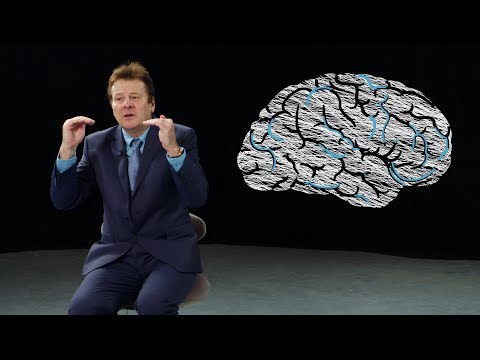
You ever feel like your brain just can’t settle down? Like you’re bouncing from one thought to another, and no matter how hard you try, you can’t focus?
Yeah, that’s a pretty common struggle these days. You might not even realize it, but for some people, it’s actually a sign of ADHD.
And here’s the kicker—sometimes, those symptoms don’t show up until adulthood. Crazy, right? You can go through life thinking you’re just a bit scatterbrained or easily distracted, but there’s more to it.
Let’s chat about what late onset ADHD looks like in adults. It might hit close to home for some of us!
Understanding the 10-3 Rule for ADHD: A Simple Guide to Managing Attention Challenges
So, let’s talk about the 10-3 Rule for ADHD. This concept is all about managing attention challenges, especially when it comes to adults who might be experiencing late onset symptoms of ADHD. The rule itself is pretty straightforward but can be a game-changer if you really think about it.
Basically, the 10-3 Rule suggests that for every 10 minutes of focused activity, you should take a 3-minute break. Sounds simple, right? But here’s where it gets interesting. It taps into how our brains work—especially those of us with ADHD. You know that feeling when you’re trying to focus on something and it just feels like your mind is running a mile a minute? Yeah, totally relatable.
The brain can sometimes feel overwhelmed, especially with tasks that require sustained attention. That’s why breaking things down into smaller chunks—like using the 10-3 Rule—can help. During those short breaks, you can stretch, grab a snack, or just close your eyes for a sec. This isn’t just about kicking back; it really allows your mind to reset.
Now let’s dig into some key points about this rule and how to apply it:
- Focus Duration: Stick to that 10-minute focus window. You might think you can push through longer stretches without breaks, but studies show this often leads to burnout.
- Engagement: Use engaging activities during those focus times! If you’re stuck on something boring, switch it up with something more exciting.
- Break Activities: During the 3-minute break, do something that doesn’t involve screens if possible. A quick walk or some stretching can do wonders.
- Tuning In: Pay attention to what works best for you in terms of timing and activities during both the focused time and breaks.
You know what else? This method isn’t just helpful; it’s also super practical for adults who are noticing late-onset symptoms of ADHD. Maybe you’ve always been able to manage well in school or at certain jobs. But now things feel different—like your brain’s finally throwing its hands up saying “Help!”
It could be forgetting appointments more often or feeling extreme frustration with tasks that used to be no biggie. The thing is—the earlier we recognize these changes and adapt our strategies like the 10-3 Rule, the better we can manage them.
So next time you’re working on something important and start feeling that mental fatigue creeping in after ten minutes, remember: take those three minutes! Your brain will thank you later by being more productive when you come back.
It’s all about finding what works best for you personally too; everyone has their own rhythm. You might even tweak the timings! The goal is better concentration without feeling stretched too thin.
By actively using tools like this one—and listening closely to how your mind reacts—you’ll not only gain more control over your tasks but also learn so much about yourself in the process!
Understanding Late-Onset ADHD: Can Symptoms Develop in Adulthood?
So, let’s talk about **late-onset ADHD**. You might be wondering if it’s actually possible for symptoms to show up as an adult. Well, the answer is a little bit complicated, but let’s break it down.
First off, ADHD stands for **Attention-Deficit/Hyperactivity Disorder**, and it usually gets diagnosed in childhood. Most of the time, folks think of hyperactive kids bouncing off the walls. But here’s the kicker: some people don’t get diagnosed until they’re adults, sometimes because their symptoms have been pretty subtle or maybe just overlooked.
Now, when we say **late-onset ADHD**, we’re really talking about adults who start experiencing symptoms that they never noticed before. This doesn’t mean they suddenly «develop» ADHD out of nowhere; rather, it might be that their challenges were always there but went unnoticed or were misattributed to other things like stress or anxiety.
- Inattention: You might find yourself staring at your work tasks and feeling like you’re lost in space. Like you can’t concentrate on anything for more than five minutes without getting sidetracked by your phone or random thoughts.
- Impulsivity: Ever blurt something out in a meeting without thinking? Or make snap decisions that leave you regretting later? Yeah, that can be part of this picture.
- Disorganization: A total mess of papers everywhere? You wonder how you lost things constantly? It may feel like trying to find a needle in a haystack just to locate your keys.
- Emotional dysregulation: Some days you feel like you’re on an emotional rollercoaster. A little frustration turns into way bigger feelings than expected—ugh!
This all can lead to significant stress in life—work performance takes a hit and relationships become strained. Picture someone carrying around a backpack full of rocks; after a while, it gets heavy!
Anecdotally speaking, I once knew someone who had nailed their job for years but started feeling overwhelmed as new demands piled up at work. They struggled with focus during team meetings and couldn’t keep track of projects anymore. It wasn’t until they dug deeper that they realized they fit the profile for late-onset ADHD. It was such an eye-opener for them!
Research does suggest that while ADHD is less commonly diagnosed later in life compared to childhood cases, it’s totally valid if you’re experiencing these things now as an adult—it could very well be late-onset ADHD kicking in.
If you’re thinking this sounds familiar and you suspect you might have late-onset ADHD—or just want clarity—it’s worth chatting with a mental health professional who can help sort through all this stuff with you. Remember: getting support is key! Life doesn’t have to stay stuck feeling chaotic when there are ways to manage these symptoms better.
The bottom line? Sure, symptoms can pop up later on in adulthood—it’s not just child’s play! If things feel off-kilter and keep dragging you down, looking into those late-onset signs may just lead to some important insights about yourself.
Understanding the 30% Rule for ADHD: A Guide to Improved Focus and Productivity
So, the 30% rule—it sounds a bit mystical at first, right? But, it’s actually pretty straightforward when it comes to managing ADHD. Basically, this rule suggests that individuals with ADHD may only be able to focus or function at their best around 30% of their potential for a given task. For folks dealing with late-onset ADHD symptoms, this can be a real game changer.
Why does this happen? Well, attention and executive functions can be draining. You might find it hard to keep your mind on one thing for long stretches. So yeah, if you’re trying to juggle too many things at once or push yourself too hard, you could end up feeling overwhelmed and unfocused.
What Does This Mean for You?
If you find yourself being easily distracted or unable to finish tasks on time, acknowledge that part of that struggle could relate to the 30% rule. The goal here isn’t perfection—it’s about managing expectations while improving your focus.
Here are some key points:
The Emotional Side
Now let’s talk feelings for a sec. Managing ADHD—especially when it hits later in life—can come with its own emotional challenges. Maybe you’ve felt frustrated or even embarrassed about struggling with tasks others breeze through. That’s totally normal!
Picture this: You’ve got a deadline looming over you like an ominous cloud but every time you sit down to work, well… Facebook starts calling your name instead! Or maybe while trying to write an email, your mind drifts off thinking about dinner plans instead of focusing on what needs to get done now.
Recognizing these patterns is important because awareness is key! Once you know how the 30% rule plays into your day-to-day life, you’re better equipped to manage those feelings and find strategies that work for you.
Working with Professionals
If you’re feeling lost in all of this (and hey, that’s okay!), working with a mental health professional can help too! They can guide you through developing strategies tailored specifically for managing late-onset ADHD symptoms.
At the end of the day, remember that acknowledging challenges doesn’t mean giving up; it opens up space for growth and improvement! So give yourself some grace and take it one step at a time—you deserve it!
Late onset ADHD? Yeah, it can really sneak up on you. I mean, it’s wild to think that people can go through life without ever realizing they’ve had it all along. Picture this: a friend of mine, let’s call him Mike. He always struggled with time management, zoning out during meetings, and forgetting where he put his keys. But he just thought he was a bit scatterbrained—like who isn’t? Fast forward to his late 30s, and he finally found himself in therapy. The therapist dropped the ADHD bombshell on him. It opened up a whole new world of understanding.
So, what are some signs that might crop up later in life? Well, for starters, if you notice you’re having trouble focusing on tasks that used to seem straightforward or if you’re feeling more overwhelmed with responsibilities than ever before, that could be a clue. You might find yourself daydreaming more often or struggling to get started on projects. And that dreaded procrastination? It can kick into high gear too.
Anxiety or depression sometimes tag along with late-onset ADHD symptoms as well. Like Mike told me one day over coffee: “I had no idea my constant feelings of being overwhelmed were linked to something real.” It was such an eye-opener for him because he felt there was finally an explanation behind the chaos in his head.
Another thing? Impulsivity can pop up as well—think making quick decisions without really weighing the consequences. You know how sometimes you just blurt something out before thinking it through? Yeah, that can be part of it too.
The thing is, many adults brush off these quirks as just part of getting older or being busy with life challenges. But recognizing those patterns is so important! It doesn’t mean there’s anything wrong with you; it’s just part of who you are and how your brain works. If something feels off or if you’re constantly battling burnout and frustration without knowing why, maybe it’s worth digging a little deeper.
It’s like putting pieces together; when Mike learned about late-onset ADHD, it was like the fog lifted for him—a chance to actually work through those struggles instead of letting them take over his life. He started looking into coping strategies and even joined a support group where others shared similar experiences.
So yeah, if this resonates at all—don’t brush aside those feelings! Taking the time to recognize what’s going on is the first step towards figuring out how to deal with it better. Life’s too short not to understand yourself fully!