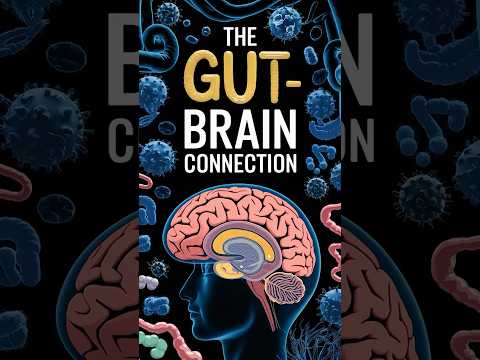
So, you know those days when your brain feels all foggy? Like, you’re trying to focus but it’s just not happening? Yeah, we’ve all been there.
But here’s something kind of interesting—what if I told you that your gut might be the culprit? Seriously! It sounds wild, but your stomach and brain have a super close relationship.
That connection is where “leaky gut” comes into play. Ever heard of it? If not, don’t sweat it. I’m gonna break it down for you in a way that makes sense. You might even realize how it’s messing with your mood and clarity.
Stick with me, and let’s unravel this whole leaky gut mystery together!
Exploring the Brain-Gut Connection: How Gut Health Affects Anxiety Levels
The brain-gut connection is super fascinating, right? Basically, our gut and brain communicate constantly, and this relationship can seriously impact our mood and anxiety levels. So, let’s dig into how gut health, especially something like leaky gut, plays a role in all this.
First off, **leaky gut** happens when the lining of the intestines gets damaged. This means that substances that shouldn’t be in your bloodstream start leaking out. It can lead to inflammation and various problems throughout the body. So you might be thinking: how does this relate to my mental health?
Well, here’s the thing: when your gut is leaky, it can cause an immune response. This immune response releases chemicals called cytokines that can affect how your brain functions. If you’ve ever felt a bit foggy or anxious after eating something that didn’t sit right with you, you’ve likely experienced a bit of this effect firsthand.
Another big piece of the puzzle is **gut bacteria**, often referred to as microbiota. These tiny critters in your digestive system play a vital role in producing neurotransmitters like serotonin. Roughly 90% of serotonin—a key player in mood regulation—is made in your gut! If you don’t have a healthy balance of bacteria due to factors like poor diet or stress, it could mean lower serotonin levels and an uptick in anxiety.
Anecdote time! Imagine someone I know—let’s call her Sarah. She was struggling with anxiety for a while but had no idea what was causing it. After chatting with her doctor about her diet and gut health, she learned she had signs of leaky gut! After making some changes—like cutting back on sugar and gluten—Sarah noticed her mood improved significantly over time. It was kind of amazing to see how taking care of her gut led to clearer thinking and less anxiety.
Here are some key points about the brain-gut connection:
- Gut Health Impacts Mood: A healthy gut can lead to better mental clarity and lower anxiety.
- Leaky Gut Equals Inflammation: When the gut leaks substances into the bloodstream, inflammation can affect brain function.
- Serotonin Production: Most of our serotonin is produced in the gut; without good bacteria balance, our moods can suffer.
- Diet Matters: Eating well helps maintain a healthy microbiome which benefits both gut and mental health.
Lastly, always consider speaking with a healthcare professional if you’re concerned about these issues. They can help identify any underlying conditions related to your symptoms.
So yeah, keeping our guts happy isn’t just good for digestion; it also plays a huge role in how we feel emotionally! It’s such an interconnected system—definitely worth paying attention to if you’re feeling off mentally.
Exploring the Gut-Brain Connection: Innovative Treatments for Mental Health
The connection between your gut and brain is a hot topic right now, and for good reason. You might not realize it, but what’s going on in your digestive system can really impact your mental health. That’s where the whole “gut-brain connection” comes into play. Basically, it’s the idea that your gut health can influence your mood and mental clarity.
When we talk about things like leaky gut, we’re referring to a condition where the lining of your intestines becomes more permeable than it should be. This means things that shouldn’t get into your bloodstream do. This can lead to inflammation, which researchers are linking to mental health issues like anxiety and depression. It’s wild how something happening in our belly can mess with our thoughts and feelings.
So, what’s exactly happening here? Your gut is home to trillions of bacteria—some are buddies that help you digest food and absorb nutrients, while others can cause problems. When the balance is off, this can lead to symptoms like brain fog or mood swings. Imagine feeling irritable or unfocused just because your digestive system is out of whack!
Now, there’s promising news on the horizon regarding innovative treatments for mental health that harness this connection. A few key areas people are exploring include:
- Probiotics: These are live bacteria that could help restore balance in your gut flora. Some studies suggest probiotics may help reduce anxiety and improve mood.
- Dietary changes: Eating whole foods rich in fiber can promote healthier gut bacteria. Think fruits, veggies, and fermented foods like yogurt or kimchi.
- Prebiotics: These are types of fiber that feed good bacteria in your gut. Foods like garlic, onions, and bananas work wonders here!
- Meditation and mindfulness: Stress impacts both gut health and mental clarity. Practicing mindfulness techniques might help not just your mind but also improve how well your gut functions.
It’s kind of mind-blowing when you think about it—how everything’s interconnected! And you know what? People are beginning to see real improvements from these approaches.
Take Sarah’s story for instance: she struggled with anxiety for years but noticed her symptoms eased when she switched her diet to include more whole foods while cutting back on sugar and processed stuff. After a few months of staying consistent with those changes along with some probiotics her therapist suggested—boom! Her mood improved dramatically!
But let’s be clear: these connections don’t mean everyone will experience the same results because every individual is unique in their biology and experiences.
While research around this area is still evolving (seriously exciting stuff), being aware of how closely connected our mental state is with our physical well-being might just encourage us all to pay a bit more attention to our guts—and let’s be honest, who doesn’t want a clearer mind overall?
In short, taking steps toward better gut health could pave the way for better mood regulation and cognitive function down the line! So next time you’re feeling off mentally, consider checking in with yourself physically too—you may just find something surprising underneath all those layers!
Exploring the Gut-Brain Connection: A Diet for Better Mental Health and Well-Being
The gut and brain are more connected than you might think. We often talk about mental health like it’s different from our physical health, but the truth is, they really influence each other. You know that feeling when you’re anxious and your stomach gets all twisted? That’s not just in your head—there’s some serious science behind it.
One interesting part of this connection is something called leaky gut. It’s when the lining of your intestines becomes more permeable than it should be. You might wonder why that matters. Well, if your gut is leaky, toxins and bacteria can sneak into your bloodstream, which can trigger inflammation. This inflammation doesn’t just stop in your belly; it can impact your brain too—leading to issues with mood, focus, and even anxiety.
Now let’s talk about what you eat because that plays a huge role here. A diet rich in whole foods can promote a healthy gut. Think of foods like:
- Fruits and veggies: They’re packed with fiber which helps keep things flowing smoothly in the digestive system.
- Fermented foods: Yogurt, kimchi, and sauerkraut are great for introducing probiotics to support gut health.
- Whole grains: Foods like brown rice or quinoa help maintain the right balance of good bacteria.
So yeah, what you put on your plate matters! I remember my friend Sarah struggled with anxiety for years. She started focusing on her diet—more whole foods, less processed stuff—and honestly? She felt a noticeable shift in her mood after just a few weeks.
But there’s more to it than just eating well. Stress management also plays a major role in gut health. Stress can actually alter the composition of your gut microbiome (that fancy word for all those bacteria living inside you). So finding ways to chill out—whether it’s through mindfulness practices or something fun like hiking—is equally important.
If you’re thinking about making changes to improve both your gut health and mental clarity, consider talking to someone who knows their stuff before diving in headfirst. A registered dietitian or a mental health professional can help tailor things for you specifically.
In summary, the connection between our guts and minds is real and impactful. A balanced diet paired with stress-management strategies maybe helps keep both in check! The things we eat influence not only how we feel physically but also mentally—which is pretty wild when you think about it! So next time you’re feeling down or unfocused, maybe look at what’s on your plate before reaching for anything else.
You know, it’s funny how our bodies work. Like, one minute you’re feeling great, and the next, everything just feels… off. I recently stumbled upon this thing called “leaky gut.” It sounds a bit like something out of a sci-fi movie, right? But it’s real! Basically, it’s when your intestinal lining gets damaged and lets stuff—like toxins and undigested food particles—travel into your bloodstream. Yikes!
I remember chatting with a friend who was struggling with anxiety and mood swings. She felt foggy all the time; it was hard for her to focus or even enjoy things she used to love. After diving into her diet and health habits, she discovered she had some gut issues going on. It was wild how this physical problem flipped her emotions upside down.
Research suggests that what happens in your gut can really impact how you feel mentally. There’s this thing called the gut-brain axis where they kinda talk to each other? When your gut is irritated or inflamed due to leaky gut, it can lead to increased levels of inflammation in your body which could mess with neurotransmitters—the chemicals that send signals in your brain.
Imagine that feeling when you’re trying to concentrate but can’t shake off that distracted haze? Could be tied back to what’s happening in your tummy! It makes sense if you think about it: our diet plays a huge role not just in our physical health but also in our mood and mental clarity.
So if someone has leaky gut, they might experience things like fatigue, brain fog, or even symptoms of depression because their body is basically sending out “help me!” signals in all the wrong ways. Fixing this isn’t always straightforward—it might involve dietary changes like cutting out processed foods or adding more probiotics.
It’s crazy how interconnected everything is. One little thing going wrong can throw so much off balance. And honestly? Taking care of our guts could mean taking care of our minds too—which I think we could all use a little more of these days!