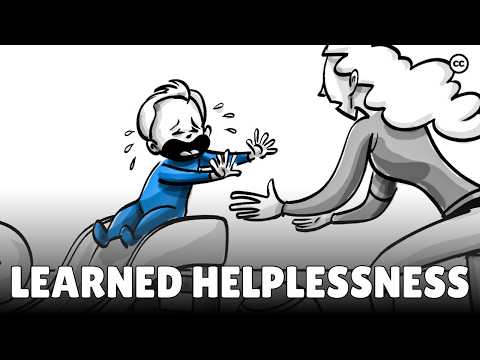
You ever feel like you just can’t catch a break? Like no matter what you do, things just don’t change? Yeah, that’s a tough spot to be in.
It’s called learned helplessness. Basically, it’s when life throws so many curveballs your way that you start thinking you can’t control anything at all. And honestly, that can really mess with your head.
But here’s the thing: it doesn’t have to stay that way. You’ve got more power than you think! Let’s unpack this idea together. It might surprise you how much control you really have over your life and feelings.
Mastering Mindset: Effective Strategies to Overcome Learned Helplessness in Psychology
Learned helplessness is a fascinating, yet tough, concept in psychology. It happens when you’ve faced repeated stress or failure—like, let’s say you keep getting rejected for jobs. After a while, you might start to believe there’s nothing you can do to change your situation. You just feel stuck. The thing is, mastering your mindset can help shift that feeling and regain some control over your life.
First off, it helps to understand where learned helplessness comes from. It usually stems from experiences where you genuinely had no control. Think of a dog that was consistently shocked when trying to escape a cage. Eventually, it stops trying altogether, even when the door is wide open. This parallels how we might feel in our lives after facing continuous setbacks.
To combat this feeling, you’ll want to focus on developing resilience. Resilience is like mental toughness; it’s what helps you bounce back after everything goes wrong. One way to build resilience is by creating small goals. Start with something manageable—maybe commit to running for just 10 minutes a day. Those little wins can boost your confidence and show that you *can* take control.
Another strategy? Challenge negative thoughts. Often, when you’re feeling helpless, your brain kicks into overdrive with pessimistic thinking. You might catch yourself saying stuff like “I’ll never get better at this.” When those thoughts pop up, stop and ask yourself if they’re really true. Practice flipping them around: instead of “I’ll never get better,” try “I can improve with effort.” It’s all about giving yourself credit for small achievements!
Don’t forget about social support, too! Connecting with friends or loved ones builds a sense of community and support which can be super empowering. Sharing experiences can lighten the load—a little empathy goes a long way! And maybe they’ll remind you of strengths or abilities you forgot about.
Mindfulness techniques help as well. They ground you in the present moment and help quiet those swirling thoughts of helplessness. Try meditating for just 5-10 minutes a day or practicing deep breathing exercises (you know—the ones where you breathe in slowly through your nose and out through your mouth). This kinda practice teaches you to respond rather than react—super important when you’re feeling overwhelmed!
Finally, remember that failure is part of growth. Every mistake offers valuable lessons—even if it feels like you’ll never rise from that couch again! Reframing failure as an opportunity means you’re taking steps toward recognizing that setbacks don’t define who you are.
In short, shifting away from learned helplessness involves creating small victories, challenging negative beliefs, building strong relationships, practicing mindfulness techniques., and being okay with failing sometimes! It takes time and effort but doing so moves the needle on reclaiming personal power in life—it’s totally worth it!
Understanding the Role of Control in Learned Helplessness: How Perceived Power Shapes Mental Health
Let’s chat about something called learned helplessness. It’s a fancy term that describes what happens when you feel you have no control over your life or circumstances. You might think, “Why should I even try?” That feeling can seriously mess with your mental health.
So, here’s the scoop. Learned helplessness typically comes from past experiences where people tried to change something but felt powerless. Like, imagine a dog in a cage that gets shocked no matter what it does. Over time, the dog stops trying to escape because it believes it can’t do anything to change its situation.
This concept doesn’t just apply to animals. In humans, it often shows up in situations like chronic illnesses, abusive relationships, or even job stress. You know how sometimes, after failing multiple times at something—like struggling with math—you just kind of give up? Yeah, that’s learned helplessness creeping in!
Now let’s talk about perceived power. This is where it gets interesting! Basically, perceived power is how much influence you believe you have over your life events and decisions. When someone thinks they have control—like deciding how to tackle their homework or handle relationships—they feel more empowered and less likely to fall into that helplessness trap.
When you’re feeling in charge of your actions and choices, it can lead to better mental health outcomes. Studies show that having a sense of control is linked to lower levels of anxiety and depression. For example:
- If you believe you can manage stress by organizing your tasks better, you’re more likely to succeed!
- A teenager who thinks they can influence their friendships tends to feel happier and more secure than one who feels stuck.
On the flip side, when people perceive themselves as lacking power—maybe due to repeated failures or negative feedback—they might spiral into emotional distress. It’s like a downward hill—you roll down fast once you start losing control.
So how do we combat learned helplessness? One effective way is through cognitive-behavioral therapy (CBT). This approach helps individuals reframe negative thoughts and see situations from a different angle—kind of flipping the script on those limiting beliefs!
Picture this: Sarah struggled for ages with her fitness goals. Each time she tried running and ended up exhausted, she thought she would never get fit. But after working with a therapist using CBT techniques, she started seeing her progress—not just focusing on setbacks. Little by little, her confidence grew and so did her sense of control over her health!
The takeaway here is super important: our perception of control shapes not just our actions but also our mental well-being. If you view challenges as things you can tackle rather than obstacles holding you back, you’ll usually fare better mentally.
In short, learned helplessness can mess with your head big time! But recognizing the role of perceived power gives you back some agency over your life choices—it boosts your mental strength and resilience too! Remember: you’ve got this!
Understanding Learned Helplessness: Real-Life Examples and Insights
Understanding Learned Helplessness is like peeling back the layers of why we sometimes feel totally stuck in life. So, what’s the deal with it? Well, it all started with some animal studies by a psychologist named Martin Seligman. He noticed that when dogs were exposed to painful shocks and couldn’t escape them, they eventually stopped trying to avoid the shocks altogether, even when an escape was possible. It’s like they learned that no matter what they did, nothing would change their situation.
Now, imagine you’re facing constant setbacks at work or in your personal life—like trying to lose weight but feeling like every effort fails. Over time, you might start thinking, “Why bother? Nothing ever works for me.” This mindset is basically learned helplessness. You believe you don’t have control over your outcomes, which can lead to feelings of anxiety and depression.
Real-life examples pop up everywhere. For instance:
- Students struggling academically: If a student repeatedly fails tests despite studying hard, they might eventually think they’re just not smart enough. They stop studying altogether because they’ve convinced themselves it won’t help.
- Workplace dissatisfaction: Someone who consistently gets overlooked for promotions may feel trapped in their job. They might think their efforts won’t lead to any changes and stop putting in the energy to try.
- A difficult relationship: If one partner feels their needs are always ignored despite expressing them repeatedly, they may give up on communicating altogether. They might think that regardless of what they say or do, it won’t make a difference.
But here’s the twist: learned helplessness isn’t set in stone. You can break free from those chains! Recognizing you have some control is key. Therapies like Cognitive Behavioral Therapy (CBT) focus on changing those negative thought patterns that trap you into believing you lack power over your life.
Take Sarah’s story as a quick example: She was stuck in a job she hated for years because every time she tried to change things—like asking for a raise or exploring other opportunities—she felt shot down. After working with a therapist who helped her reframe her thoughts about her abilities and choices, she started applying for new jobs and eventually found one that fired her up!
So remember: while learned helplessness can seem overwhelming at times, it’s crucial to realize there are ways out of that mindset. Finding small areas where you can exert control can help rekindle your motivation and spark change in ways you never thought possible!
You know that feeling when everything seems out of your control and you just want to give up? That’s kind of the essence of learned helplessness. It’s this concept in psychology where you start believing you can’t change your situation, no matter how hard you try. It’s like being stuck in a rut and thinking there’s no way out.
Let me share something personal, if it helps illustrate this. There was a time I was really struggling with school. No matter how much I studied, I felt like I was just running on a hamster wheel—going nowhere fast. So, I ended up convincing myself that my grades would never improve. And guess what? They didn’t! It was like my brain had thrown in the towel before the fight even started.
What happens is that when someone experiences repeated failures—even if they’re not their fault—they begin to feel powerless. This can happen in different areas of life: work, relationships, even our own mental health. The more we feel stuck, the harder it becomes to muster up any motivation to change things around.
But here’s the kicker: recognizing learned helplessness is a huge first step toward breaking that cycle. Once you start seeing those patterns—like the way you might avoid challenges or expect failure—it’s possible to take back some control. Seriously! Just like trying little things at first, so you’re not overwhelmed.
Therapy often plays a part here too. A good therapist can help you reframe those thoughts and show you that you do have power over certain aspects of your life—even if it doesn’t feel that way at times. They can help guide you through baby steps towards goal-setting and conquering fears you’ve built up over time.
So, if you’ve ever felt trapped by circumstances or convinced that nothing will ever change for the better, remember—you can still rewrite your narrative! It takes work and patience, but slowly regaining your sense of control is totally doable and worth every effort. You’re not alone in this; we all struggle sometimes!