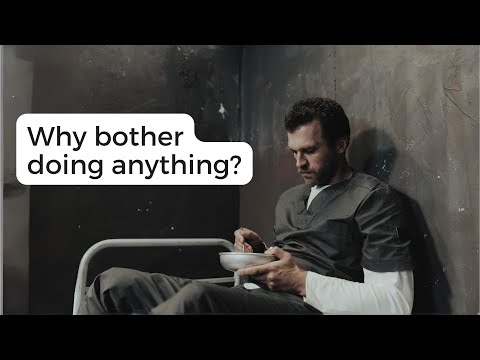
You know that feeling when you just can’t seem to change your situation? Like, no matter what you do, it’s like hitting a brick wall? That’s kinda what we call learned helplessness in psychology.
It’s that moment when someone feels stuck, almost like they’ve given up trying. Imagine a dog in a cage, and after getting shocked for so long, it just stops trying to escape. Wild, right?
But this isn’t just about dogs or cages. It shows up in our lives too, like when you keep applying for jobs but never get interviews. It wears you down.
So let’s dig into this concept together and see how it messes with our minds. You might just see it in your own life or the lives of people around you!
Understanding Learned Helplessness: A Comprehensive Definition and Insight into Its Psychological Impact
Learned helplessness is one of those concepts in psychology that really hits home when you think about it. Basically, it’s when someone feels, well, powerless because of past experiences. Imagine being stuck in a situation where no matter what you do, nothing seems to change or improve. That can really mess with your head.
This whole idea started back in the 1960s when psychologist Martin Seligman did some experiments with dogs. He found out that if dogs were exposed to stressful situations without having any control over them—like getting shocked and not being able to escape—they later stopped trying to avoid the shocks. They’d just sit there and accept it, even when they could have escaped. It’s sad, right? But it shows how repeated failures can make someone feel like they’re stuck forever.
In simple terms, learned helplessness is about feeling trapped. It’s not just for animals; people can experience this too. If someone faces constant setbacks—maybe they keep getting rejected for jobs despite trying hard—they might eventually stop putting themselves out there altogether. They think, “Why bother?” and that’s where things get tricky.
The psychological impact can be huge. Feeling helpless often leads to issues like depression and anxiety. It’s like a downward spiral—you feel low because you think you can’t change anything, which makes you feel even more hopeless. Seriously, it’s like trying to climb a mountain over and over without any gear; eventually, you’re just going to give up.
Importantly, learned helplessness isn’t just about mental health problems. It can affect everyday life too! For instance:
- You might see this in kids who get poor grades despite studying hard.
- People in unhappy relationships may feel stuck and believe there’s no way out.
- A worker who’s never recognized for their efforts may stop trying at their job.
Once someone is caught in this cycle of feeling helpless, breaking free isn’t easy—it takes time and effort. Therapy often helps by teaching new coping skills or helping people regain a sense of control over their lives again.
In short: learned helplessness is all about how our experiences shape our beliefs about ourselves and our ability to impact our world. Acknowledging it is the first step toward breaking out of that rut!
Understanding Learned Helplessness: A Key Example and Its Impact on Mental Health
Learned helplessness is a pretty fascinating concept in psychology, but it can also be a bit sad, really. So, what’s learned helplessness? Well, it’s when someone feels they have no control over their circumstances, even when they do. It’s like being stuck in quicksand, where every effort to get out just seems to make everything worse.
Origin of the Idea
The idea came from some experiments in the ’60s by a psychologist named Martin Seligman. He had dogs that he placed in situations where they could escape an electric shock and others where they couldn’t. After a while, the ones that were always stuck just gave up trying to escape, even when they could actually leave! Pretty heartbreaking, right? What happens is this “giving up” can extend beyond those dogs; it reflects how people might handle challenges in life.
Real-World Example
Let me illustrate this with a quick story. Imagine you’re in a tough job where you just can’t seem to please your boss. Day after day, you feel like your efforts go unnoticed or are criticized harshly. Over time, you start thinking: «Why bother? Nothing I do works anyway.» This feeling of powerlessness can seep into other parts of your life too—like your relationships or self-esteem.
So basically, once someone believes they have no power over their circumstances—like those poor lab dogs—they may stop trying to change things. When people experience this kind of mindset frequently enough, it can contribute to mental health struggles like depression and anxiety.
Impact on Mental Health
The impact of learned helplessness on mental health is pretty serious:
- Depression: Feeling trapped can lead to persistent sadness and hopelessness.
- Anxiety: You might constantly worry about outcomes if you’ve learned not to trust yourself.
- Low Self-Esteem: Repeating failures or feeling powerless can crush your self-worth.
- Avoidance: You might start avoiding challenges altogether because you fear failing again.
Breaking the Cycle
Now for the good part! It’s totally possible to break the cycle of learned helplessness. People can relearn that their actions do matter. Therapy often helps with this; cognitive-behavioral therapy (CBT) focuses on changing unhelpful thoughts and beliefs about oneself and one’s abilities.
By finding little successes—even tiny ones—you can rebuild that belief in your own power. For instance, if you manage to complete one task at work successfully—or even something small like organizing your desk—those wins pile up and help shift that perspective.
To wrap things up, learned helplessness is all about feeling stuck and powerless due to past experiences. But remember: with support and new strategies, change is within reach! You aren’t alone in this; many folks are working through similar feelings every day. So don’t hesitate to reach out or take small steps toward reclaiming your sense of control!
Understanding Learned Helplessness: Causes, Symptoms, and Impact on Mental Health
Learned helplessness is one of those concepts that really shows how powerful our thoughts can be. Basically, it’s when you feel like you have no control over your life, and it can lead to some pretty serious mental health issues. Imagine trying really hard to win a game but losing every single time, no matter what you do. Over time, you start thinking, “Why even bother?” That’s learned helplessness in a nutshell.
So, let’s break down what it actually is. Learned helplessness was first studied by psychologists Martin Seligman and Steven Maier back in the ’60s. They were experimenting with dogs and found that if the dogs were given electric shocks and could not escape, they eventually just stopped trying to escape altogether. It was as if they had given up hope. This idea jumped into understanding human behavior and emotions.
Now, onto the **causes** of this phenomenon. There are a few key players here:
- Traumatic experiences: If you’ve faced something really tough or traumatic—like abuse or chronic failure—you might start feeling like nothing you do will change your situation.
- Chronic stress: Living under constant stress can wear you down mentally and emotionally.
- Lack of support: If you’re feeling alone in this big world and don’t have someone cheering you on or helping out, it can be super tough.
These causes add layers to your emotional experience that make it harder to see a way out.
Now, what about the **symptoms**? You might notice a few things happening:
- Apathy: You feel indifferent about things; nothing excites or motivates you anymore.
- Low self-esteem: You start believing you’re not good enough or that you’ll always fail.
- Anxiety and depression: A nagging worry or just a heavy sadness becomes part of your daily life.
I remember talking with a friend once who found it hard to apply for jobs after being turned down several times. She felt paralyzed by the fear of rejection; she thought her efforts wouldn’t lead anywhere anyway. This kind of thinking can spiral into deeper mental health issues.
Next up is the overall **impact on mental health**. Learned helplessness doesn’t just hurt your mood; it clouds your entire outlook on life:
- Mental illness risk: People who struggle with learned helplessness are at higher risk for anxiety disorders and depression.
- Poor coping strategies: When faced with challenges, instead of tackling them head-on, there’s often just avoidance or giving up altogether.
- Social withdrawal: You might start isolating yourself from friends or family because it’s easier than dealing with life’s demands.
It’s critical to remember that this isn’t who you are; it’s more like an emotional fog that can be lifted over time.
Finally, overcoming learned helplessness is entirely possible! Therapy approaches—like cognitive-behavioral therapy (CBT)—can help reframe those negative thoughts and build resilience again. With support from professionals and loved ones, you can learn new ways to manage life’s ups and downs.
In short, learned helplessness might feel like an insurmountable wall right now but know that there’s hope for change on the other side!
So, let’s chat about learned helplessness. It’s really this interesting concept in psychology that can totally mess with how we see the world and ourselves. Basically, it happens when someone feels like no matter what they do, they just can’t change their circumstances or outcomes. Kind of like when you’re stuck in traffic and you’ve tried everything – taking different routes, leaving early, but you’re still stuck. Frustrating, right?
I remember a buddy of mine who had this job that was just soul-sucking. She put in all this effort to get promoted but kept getting passed over for these reasons that seemed totally out of her control. After a while, it felt like she just gave up trying to shine at work because she thought nothing would ever change. That’s learned helplessness in action—where past failures lead someone to believe their future efforts won’t matter.
It really touches on how our experiences shape our mindset. When people repeatedly experience failure or feel powerless in certain situations, they might start to believe that they can’t do anything right or that no effort will lead to success. It’s as if they’re sitting in a box with walls so high they can’t see over them anymore.
This isn’t just some abstract theory; it can seriously affect mental health too—leading to anxiety and depression. The thing is, breaking out of this mindset isn’t always easy; it takes some work and often support from friends or professionals. Like my friend realized eventually: even if one job doesn’t appreciate her talents, there are other places out there where she can thrive.
You know what? If you think about it, recognizing learned helplessness is the first step toward finding your power again—turning those “I can’t” into “What if I try?” And who knows? Maybe there’s a way around the obstacles after all!