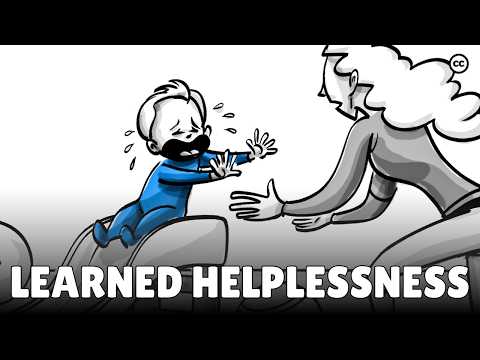
You ever feel like no matter what you do, nothing really changes? Like you’re stuck in this endless loop? Yeah, that’s kind of what learned helplessness is about.
It’s a fascinating concept in psychology—seriously. Basically, it’s when someone believes they can’t control their situation, even if they actually can.
Imagine a dog that stops trying to escape after being shocked too many times. It just kind of gives up. Sad, right?
This idea shows up everywhere, from schools to workplaces. And it can totally mess with your head and how you see the world.
So let’s unravel this whole learned helplessness thing together and figure out its effects on our lives!
Understanding the Impact of Learned Helplessness on Mental Health: Effects and Solutions
Learned helplessness is one of those concepts in psychology that really hits home. You know, when you feel like nothing you do matters and you just can’t catch a break? It’s kind of like getting stuck in a loop of negativity where you believe you have no control over the situation at hand. This feeling doesn’t just affect your mood; it digs deep into your mental health, leading to issues like depression and anxiety.
So, what is learned helplessness? Well, it all started with some experiments by psychologist Martin Seligman back in the 1960s. The basic idea was that when animals (like dogs) were put in situations where they couldn’t escape from something unpleasant—in this case, electric shocks—they eventually stopped trying to escape even when opportunities to do so showed up. So they basically learned that no matter what, they were stuck. You see how this can translate into human life? When people experience repeated failures or hardships, they might start thinking, “What’s the point?”
The impact of this mindset can be serious:
1. Increased Risk of Depression: When someone feels helpless and believes their actions don’t matter, it’s easy for them to spiral down into sadness. They might think the world is against them or that things will never get better.
2. Heightened Anxiety: Along with depression often comes anxiety. If you believe nothing will change for the better, every challenge might feel like a mountain too high to climb.
3. Low Motivation: Individuals can lose interest in activities or goals they once enjoyed because they believe their efforts are futile.
4. Poor Decision Making: Feeling powerless can cloud judgment, leading to choices that reinforce a sense of helplessness rather than breaking free from it.
But here’s the thing—there are ways out of this vicious cycle! It’s not a lost cause at all:
Acknowledge Feelings: Facing those feelings head-on is important. Just recognizing when you’re feeling overwhelmed or helpless can be the first step toward change.
Cognitive Behavioral Therapy (CBT): This approach helps challenge those negative thoughts that contribute to learned helplessness. It encourages people to reframe what they think about themselves and their circumstances.
Set Small Goals: Baby steps really work! Setting small, achievable goals can build confidence over time and help counteract feelings of helplessness.
Build a Support System: Surrounding yourself with understanding friends or family who validate your feelings but also encourage and uplift you can make a huge difference.
This whole idea reminds me of a friend who went through a tough breakup; she was convinced she’d never find love again. But with support and some therapy sessions focusing on changing her mindset, she slowly started taking baby steps—going out with friends more often and even trying new hobbies! Today? She’s happy again and back on her feet!
In short, learned helplessness isn’t just an abstract concept; it’s something many people face at different points in life. Recognizing its effects on mental health opens doors to healing and growth. There are solutions out there waiting for those willing to take that first step towards change!
Understanding Learned Helplessness: Key Examples and Insights
Learned helplessness is one of those concepts in psychology that can really hit home. It’s when someone feels they have no control over the situation they’re in, leading them to stop trying even when they might actually have the power to change things. Think of it as a mental cage that you build around yourself, often without even realizing it.
So, how does this happen? Imagine a dog being tested for learned helplessness. In one scenario, it’s placed in a cage where it receives mild electric shocks but has no way to escape. After a while, the poor pup just gives up trying to find an exit because it believes nothing will change. This idea was tested by psychologists like Martin Seligman back in the ’60s and ’70s, and their findings are pretty eye-opening.
Now let’s get into some key points about this phenomenon:
- Origin of the term: The term “learned helplessness” came about from experiments with animals, mainly dogs and rats, but it applies to humans too.
- Real-life impact: People can start feeling hopeless after repeated failures or traumas—maybe failing exams or experiencing job loss—leading to depression and anxiety.
- Effects on motivation: When you believe your actions won’t have any effect on outcomes, you stop trying. It’s like a cycle; the less effort you put in, the more you reinforce that feeling of helplessness.
- Ties to mental health: This mindset is often linked with conditions like depression or anxiety. You feel stuck because past experiences tell you that your efforts won’t make things better.
Think about someone who continually struggles in relationships. After being hurt several times, they may start believing that love just isn’t for them. So instead of putting themselves out there again—because what’s the point?—they shut down emotionally.
Another striking example involves students who face academic struggles. If they constantly receive low grades despite studying hard, they might think that no amount of effort will help improve their situation. Eventually, they may stop trying altogether, thinking it’s pointless.
This doesn’t just stay limited to personal experiences either; learned helplessness can affect workplace dynamics too. An employee who never gets recognition for their hard work may begin to feel that their contributions don’t matter—a tough situation for anyone.
But here’s some good news: recognizing learned helplessness is half the battle! Once you’re aware of these patterns in your life or others’, it opens doors for change.
Understanding this may lead you or someone else towards seeking help—from therapy sessions focused on cognitive behavioral strategies that challenge these negative beliefs to support groups where shared experiences can empower individuals.
So keep an eye out for those moments when you start feeling trapped by circumstances—you might just be caught up in learned helplessness without realizing it! Recognizing those feelings is crucial; after all, hope can spark change where despair once thrived.
Understanding Learned Helplessness: Real-Life Examples and Insights
Learned helplessness is a concept that can feel heavy, but it’s super important for understanding how we respond to challenges in life. Basically, it happens when someone feels like they have no control over the outcome of situations. So, picture this: you try really hard at something and keep failing. Over time, if you don’t see any change, you might start to think that no matter what you do, it won’t make a difference. That’s learned helplessness in action.
You know that feeling when you’re stuck on a problem and just can’t seem to find your way out? It’s like trying to push through a brick wall. Maybe you’ve been there with schoolwork or job applications—constantly sending them out without any bites can make you feel like nothing’s ever gonna work out. You give up trying, saying things like “What’s the point?” It’s sad because it stops us from even trying new things.
Here are some key points about learned helplessness:
- History: The term comes from experiments with dogs in the 1960s by psychologist Martin Seligman. They were given shocks but could escape them in one scenario, yet after experiencing this for a while, they stopped trying when they had the chance.
- Real-life example: Think of someone who has struggled with learning a sport or an instrument. After repeated failures and no progress, they might throw down their racket or put away their guitar forever.
- Mental health link: Learned helplessness is often tied to depression and anxiety. When you feel powerless over your life circumstances, it can lead to feelings of hopelessness.
- Looming effects: The impact doesn’t just stop at one area; it can affect motivation across different parts of life—your relationships, work performance, and overall happiness.
It gets tough when people internalize this sense of powerlessness for too long. For instance, someone who grew up in an environment where their efforts weren’t recognized may carry those beliefs into adulthood. They might feel they’d never get promoted at work or enter new relationships because they’ve convinced themselves nothing will change.
Breaking free from learned helplessness isn’t easy but it’s totally possible! Awareness is key—recognizing those patterns is step one. If you’re feeling trapped like this, talking to someone—like a therapist or even good friends—can help shed light on new perspectives.
And also? Positive experiences are vital! The moment we start finding small wins—even if they’re tiny—can shift our mindset about what we can achieve. It brings back that sense of control where we believe our actions actually matter.
To wrap it up, learned helplessness can be a real downer but knowing about it is the first step toward taking charge again! So next time you face something tough and feel like giving up? Take a breath and remember—it’s not always about winning; sometimes it’s just about showing up and trying again!
You know, when you’re just feeling stuck and like nothing you do really matters, it can be pretty frustrating. That’s basically the vibe of learned helplessness in psychology. It’s this theory that says, when people feel like they have no control over their situation—like they keep failing no matter how hard they try—they start believing that they can’t change anything. It’s a heavy feeling, right?
So picture this: you’re in school and after failing a few tests despite studying really hard, you start telling yourself that no amount of effort is gonna make a difference. You give up trying and just accept that this is how it’s gonna be for you. That’s learned helplessness in action. It seeps into different parts of life too—work, relationships, even your self-esteem.
The thing is, this mindset isn’t just a bad day or two; it can lead to bigger issues like depression or anxiety. When someone thinks they’re powerless for too long, it can totally drain their motivation and spark that “why bother?” attitude. And honestly? That sucks because who wants to walk around feeling defeated all the time?
But here’s where it gets interesting! People can break out of this cycle with support and encouragement. Maybe it starts with small wins—setting achievable goals or getting help from friends or therapists to see things differently. I mean, remember the last time you tackled something tough? Hitting those little milestones makes a difference.
So yeah, while learned helplessness feels like sinking in quicksand sometimes, there are ways to find your footing again. We’re all human here; we struggle and fall down now and then. What counts is getting back up!