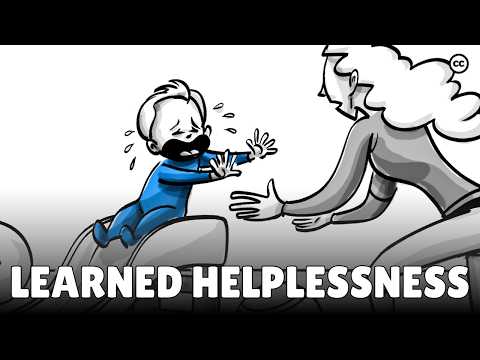
You know that feeling when you just can’t seem to catch a break? Like no matter what you do, things don’t change? Well, there’s a whole psychological concept behind that.
Enter Martin Seligman and his famous experiment on learned helplessness. It’s kind of wild how it all started with some dogs. Seriously.
Seligman was curious about why some folks seem to just give up when faced with tough situations, while others keep fighting back. It turns out, this experiment opened up a whole new way of understanding depression and motivation.
Let me tell you, it’s way more relatable than it sounds. You’re gonna want to hear about how those little pups reacted, and what it means for us humans in the long run!
Understanding Seligman’s Learned Helplessness Study: Key Insights from Dog Experiments
Sure thing! So, let’s break down Seligman’s experiment on learned helplessness, which is kind of a big deal in psychology. Basically, it all started with some dogs—yes, those cute furry friends we all love. Here’s the scoop.
In the late 1960s, psychologist Martin Seligman conducted a series of experiments that revealed some pretty interesting stuff about how animals (and us humans too) respond to uncontrollable situations. The idea behind learned helplessness is simple but powerful: if you believe you have no control over what happens to you, you might stop trying to change your situation altogether.
In one of his famous experiments, Seligman and his team split dogs into three groups. Here’s how it went down:
- Group One: This group of dogs was placed in a harness and exposed to electric shocks. However, they were able to escape by pressing a lever.
- Group Two: These poor pups also got shocked but had no way to escape at all.
- Group Three: This group didn’t get shocked at all and were just chilling.
The real kicker came when Seligman tested these dogs again. He put them in a shuttle box where they could escape shocks by jumping over a small barrier. The dogs that had previously escaped the shocks (Group One) figured it out right away and jumped over. But guess what? The dogs from Group Two—who had been unable to escape before—just lay there and took the shocks instead of trying to jump! They had learned helplessness, believing they couldn’t change their situation.
This experiment shines a light on how people can feel overwhelmed or powerless in their lives too. Like when you keep hitting brick walls in achieving something—jobs, relationships, whatever—and suddenly feel like it’s pointless even trying anymore because nothing ever changes.
So why is this important? Well:
- Mental Health Links: Learned helplessness plays a role in depression and anxiety disorders.
- Behavior Patterns: It helps us understand why people might not take action even when opportunities arise.
- Treatment Implications: Knowing this can guide therapists in helping clients regain control over their lives.
It’s kind of heartbreaking to think about those dogs just lying there accepting their fate. But recognizing this pattern can help us break free from feeling stuck ourselves.
And hey, the good news is that we can unlearn these feelings! With therapy and support systems in place, like cognitive-behavioral therapy (CBT), people can challenge those negative thought patterns that come from learned helplessness.
So yeah, that’s Seligman’s study wrapped up! It’s a powerful reminder of how our experiences shape our mental health and behavior—and ultimately shows us that change is always possible if we give ourselves the chance to try again!
Understanding Seligman’s Theory of Learning: Insights into Positive Psychology and Education
So, let’s get into Seligman’s theory of learning and how it stirs the pot in both positive psychology and education. Martin Seligman is like the big name in this whole area. He’s known for his work on **learned helplessness**, which basically shows how experiences can mess with our belief in our own abilities.
Seligman’s experiment started way back in the late 1960s. In one of his classic setups, he put dogs in a situation where they could escape a mild shock by jumping over a barrier. Some dogs learned they could escape, while others didn’t have that chance. The ones that couldn’t escape just gave up trying when they later faced a similar situation. They fell into this state of **learned helplessness**—like they believed nothing they did mattered anymore. It’s kind of heartbreaking, right?
This idea doesn’t just apply to dogs; it spills over into human behavior too. Imagine you’re trying really hard to nail an exam but keep failing despite all your efforts. Eventually, you might start thinking, “Why bother?” That sense of defeat can trap you in a cycle where you don’t even try anymore.
Now, what about *positive psychology*? Well, Seligman flipped the script by shifting focus from what’s wrong to what’s right with people. His idea was to build up strengths instead of just fixing weaknesses. So instead of teaching kids just to avoid failure, he encouraged them to develop resilience and find their strengths.
In education systems influenced by this theory:
- Encouragement Over Critique: Teachers are encouraged to recognize and build on students’ strengths.
- Gratitude Practices: Activities that promote gratitude can help students focus on positive aspects rather than negative experiences.
- Growth Mindset: Teaching kids that abilities can improve with effort is crucial—just because you struggle now doesn’t mean you’ll always struggle!
These methods aim to provide a more supportive environment for learning—one that fosters belief in oneself.
But here’s something cool: Seligman also introduced the PERMA model—an acronym standing for Positive Emotion, Engagement, Relationships, Meaning, and Achievement. This framework serves as a foundation for thriving rather than just surviving.
In practice:
- Positive Emotion: Teach students to appreciate small wins.
- Engagement: Help them get involved in activities that resonate with their interests.
- Relationships: Build strong connections among peers because friendship fuels support.
- Meaning: Encourage them to find purpose in their studies or hobbies.
- Achievement: Celebrate milestones so they recognize progress!
So basically, when we talk about Seligman’s contributions through learned helplessness and positive psychology, we’re diving into something much deeper than just theories—it’s about changing lives. It encourages us as educators or parents or friends to lift each other up instead of letting life’s challenges take us down.
Seligman’s insights remind us that even if we’ve felt powerless before (think back to those dogs), there are paths toward empowerment and growth—for both individuals and educational systems alike!
Understanding Martin Seligman’s Theory: Key Concepts in Positive Psychology
Martin Seligman is kind of a big deal in psychology, especially when it comes to positive psychology. His work really focuses on what makes life worth living rather than just fixing what’s broken. You know? So, let’s break down some of the key stuff he talks about.
Learned Helplessness is one of Seligman’s earlier findings that set the stage for all this positive stuff. Basically, he discovered that when animals feel like they can’t escape a bad situation—like being shocked in a cage—they eventually just give up trying. This was his way of showing how important perception is. If you think you can’t change your situation, you probably won’t even try.
Now, here’s where it gets interesting. Seligman wanted to turn this idea on its head! Instead of focusing only on what goes wrong, he started to explore what goes right. He asked questions like: What makes people happy? What does it mean to live a fulfilling life? That’s how we got positive psychology.
So, let me lay out some key concepts from his theories:
- Positive Emotions: Seligman emphasized finding joy and contentment in everyday life. It’s not just about those big wins; little moments matter too.
- Engagement: Getting deeply involved in activities you love can lead to greater satisfaction. Think about when you’re totally into a song or art project—you lose track of time!
- Relationships: Human connections play a huge role in our happiness. Positive relationships make life better in so many ways.
- Meaning: Having a purpose or something bigger than yourself brings so much fulfillment—like volunteering or following your passions.
- Accomplishments: Setting and reaching goals strengthens self-esteem and provides a sense of achievement.
So basically, Seligman’s theory pushes the idea that we should be focusing on building strengths instead of just fixing weaknesses. Like if you’ve struggled with anxiety but also love painting, diving deeper into that creative outlet could help you feel more balanced and fulfilled.
Seligman even created something called the PERMA model! It stands for Positive Emotion, Engagement, Relationships, Meaning, and Accomplishments—all things that contribute to our overall well-being.
Anecdotally speaking, I once heard about someone who joined a local choir even though they were shy about singing. At first, they felt awkward and out of place but as they kept going (engagement), made friends (relationships), found joy (positive emotion), discovered their talent (accomplishments), and began performing at community events (meaning)—their whole outlook changed!
By focusing on these aspects rather than solely on struggles like anxiety or depression, people can cultivate happier lives. There’s so much power in shifting your perspective!
So that’s Seligman and his take on positive psychology! It’s all about recognizing our strengths while also embracing the messiness of being human—it’s pretty liberating when you think about it!
So, let’s chat about Seligman’s experiment on learned helplessness. You might not know it right off the bat, but this whole idea has some heavy implications for how we view mental health and our own behaviors.
In the late 1960s, psychologist Martin Seligman did some experiments with dogs. I know, it sounds weird at first! But hang on—he was trying to find out how animals react to uncontrollable situations. He set up these poor pups in a way that they could be shocked without any way to escape it. It’s as harsh as it sounds. The dogs learned over time that no matter what they did, they couldn’t escape the shocks. So guess what? They just gave up trying.
Now, here’s where it gets deep. After a while, even when he put them in a situation where they could escape the shock, those same dogs didn’t even try to jump away from the pain. It was like they were saying, “What’s the point? Nothing I do will help.” This is basically where we get the term «learned helplessness.» It’s that feeling of powerlessness that can come from repeated exposure to painful situations you have no control over.
It’s not just about dogs though. This concept has been studied in humans too. Think about people in really tough life situations—whether it’s ongoing stress at work or unhealthy relationships—they might feel trapped and unable to change things no matter how hard they try. And it can lead straight into depression, anxiety, and all sorts of other mental health challenges.
I remember chatting with a friend who felt stuck in their job for years—always complaining but never doing anything about it. We talked for hours about their feelings of hopelessness and being overwhelmed by everything around them. They felt like no matter what action they took, nothing would change anyway—their experience mirrored Seligman’s findings almost perfectly!
It’s wild when you think about how something from decades ago still resonates today in therapy and discussions around mental health! Understanding this concept gives insight into why some people struggle with motivation or feel trapped by their circumstances.
So yeah, learned helplessness isn’t just an academic idea—it’s a real part of many people’s lives today! Just knowing that we have a choice—that we can try to push against those feelings of helplessness—can be empowering in itself. It’s all about realizing your power may not always be apparent but exists nonetheless!