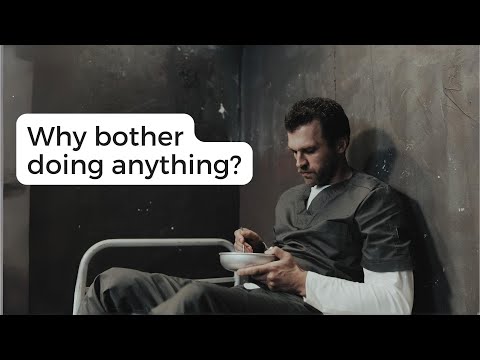
You know that feeling when you’ve tried something over and over, but nothing seems to change? Like, no matter how hard you push, you just can’t get ahead?
That’s kinda what learned helplessness is all about. It’s this idea that sometimes we feel stuck. And it isn’t always because we aren’t trying hard enough.
Imagine a dog trying to escape from its cage. But every time it jumps, it hits a barrier. Eventually, it stops trying altogether. It thinks there’s no way out.
Pretty sad, right? But this concept isn’t just for dogs; it sneaks into our lives too—like when we stop believing we can make a difference in our own situations. So, let’s dig deeper into this concept and see how it all works.
Understanding Learned Helplessness: The Best Examples and Their Impact on Mental Health
Learned helplessness is one of those concepts in psychology that really illustrates how our experiences shape our feelings and behaviors. It basically means that when people repeatedly feel powerless in a situation, they start believing they can’t do anything to change it—even when they actually can. So, let’s break this down a bit more.
How It All Started
This idea came from some experiments back in the late ’60s. Researchers, like Martin Seligman, observed dogs who were put in a situation where they could get shocked but couldn’t escape. After experiencing this a few times, those poor pups just gave up trying to escape—even when they had the chance later on! They learned that their actions didn’t matter.
Real-Life Examples
You might be wondering how this plays out in daily life. Well, think about someone who’s had a series of failed job applications. If they keep getting rejected, they might start feeling like they’re not cut out for any job at all, even if there’s one out there just waiting for someone like them.
Or consider students who struggle with math. After failing tests or getting bad grades multiple times, they might reach a point where they think they’ll never get it and stop trying completely. They believe their effort doesn’t change anything.
The Impact on Mental Health
When someone develops learned helplessness, it can really mess with their mental health. It often leads to feelings of depression and anxiety because you just kind of… feel stuck. You know? That feeling of being trapped can lead you to withdraw from social situations or stop pursuing your goals altogether.
In fact, studies show that people with learned helplessness are more likely to experience symptoms of major depression. Imagine waking up every day feeling like you’re fighting an uphill battle with no end in sight—that’s pretty rough.
Coping and Overcoming
The good news? You can unlearn this sense of helplessness! Therapy approaches like cognitive-behavioral therapy (CBT) can help by encouraging individuals to challenge those negative thoughts and beliefs that say «I can’t.»
It’s all about recognizing your ability to regain control over your life situation—whether it’s tackling a big project or improving relationships. Small victories count too! Seriously, every little step matters because they build confidence over time.
So next time you find yourself stuck in negative thoughts or feeling overwhelmed by your circumstances, remember: you have the power to change things. Don’t let past experiences dictate your future!
Understanding Learned Helplessness: Causes, Effects, and Overcoming Strategies
You know that feeling when life just seems to throw you one curveball after another? Like, no matter what you do, it just doesn’t seem to matter? That’s kind of the essence of learned helplessness, a pretty interesting but tough concept in psychology. It’s when people feel powerless because they believe they have no control over their situation. Let’s break this down a bit.
Causes of Learned Helplessness
So, what causes this helplessness? Well, it usually starts with experiences where you’ve tried to change or escape a situation but failed multiple times. For example:
- If you keep studying hard for a test and still don’t pass, you might start thinking that your effort doesn’t really matter.
- In relationships, if you always try to fix things but feel ignored or rejected, you might stop trying altogether.
- Sometimes trauma plays a big role too. If someone goes through abuse or severe stress without any support, it’s easy to see how they’d feel trapped.
These situations can be really damaging because they teach us that no matter how hard we try, nothing changes.
Effects of Learned Helplessness
The effects can be far-reaching and often lead to feelings of sadness or anxiety. You might feel stuck in life like you’re just going through the motions without any real direction. People experiencing learned helplessness often show:
- A lack of motivation—everything feels pointless.
- Difficulties in decision-making; it’s hard to think clearly when you feel overwhelmed.
- Low self-esteem because repeated failures make you doubt yourself.
Like one time I talked with a friend who felt lost in her career. She had applied for tons of jobs without success and started feeling like she was never gonna get hired again. That constant rejection made her give up on even trying anymore.
Overcoming Strategies
Now let’s chat about some strategies for overcoming this whole learned helplessness vibe. It’s not easy, but there are ways forward! Here are some things that can help:
- Challenge Negative Thoughts: Whenever those pesky thoughts pop up saying “I can’t do this,” try to push back! Remind yourself about past successes or small wins you’ve had.
- Set Small Goals: Start with little things! If finding a job feels overwhelming, maybe just update your resume or apply for one position. Small victories build confidence!
- Seek Support: Sometimes talking with friends or family helps more than we realize. A supportive ear can make all the difference when you’re feeling down.
- Cognitive-Behavioral Therapy (CBT):This is a type of therapy that helps change negative thought patterns into more positive ones. It focuses on the relationship between thoughts and feelings.
And remember my friend I mentioned earlier? After she opened up about how she felt stuck, she started seeking help from a career coach who helped her focus on her strengths!
Learned helplessness is tough but it doesn’t have to define your life forever. With time and effort—and maybe some help—you can start reclaiming your power and turning those feelings around!
Understanding Learned Helplessness: Insights from Psychology and Wikipedia
Learned helplessness is one of those concepts that, once you get it, really opens your eyes to why some people feel stuck in life. It’s like a mental prison, you know? The idea comes from psychology, mostly associated with psychologist Martin Seligman. He did these experiments with dogs back in the ’60s and ’70s that showed how they could learn to feel helpless because they thought their actions didn’t matter.
So, what is learned helplessness? It’s when someone believes that they have no control over the outcomes of their lives. This feeling often pops up after repeated failures or stressful events where a person feels they can’t escape or change their situation. Eventually, people stop trying to change things because they convince themselves they’re powerless. It’s like if you kept trying to jump higher and higher to reach a shelf but always fell short – eventually, you’d just give up.
Here are some key points about learned helplessness:
- Origins: The idea started from animal studies but applies to humans too.
- Real-life examples: Think of someone who keeps failing tests and starts believing they’re just not smart enough. They stop studying altogether.
- Mental health connection: It often overlaps with depression and anxiety. When people feel trapped by circumstances, it can make everything worse.
- Affect on behavior: People might show signs of apathy or lack motivation in tasks they once enjoyed.
To bring this home a bit more, let’s say you’re trying to find a job but face rejection after rejection. At first, you might brush it off—“Not my time yet.” But after a while, if it keeps happening? You might start thinking “What’s the point?” You stop applying altogether because you’ve conditioned yourself into feeling like you’ll never get hired. That’s learned helplessness creeping in.
A huge part of addressing learned helplessness is realizing it exists in the first place! Understanding that it’s not about being inherently incapable; it’s about experiences that shape how we see our power—or lack thereof—in the world around us.
Identifying triggers can help break this loop. Like if someone recognizes that certain situations make them feel powerless, they can work on small steps—or goals—to regain some control. This could mean celebrating small victories or seeking support from others who can remind them of their abilities.
In therapy settings, techniques such as cognitive-behavioral therapy (CBT) are often used to challenge those negative beliefs and help folks reclaim their sense of agency. So yeah—understanding learned helplessness isn’t just an academic exercise; it’s really about breathing life back into our personal power!
Okay, so let’s chat about learned helplessness. It’s kind of a big deal in psychology but, honestly, I find it really relatable. It’s that feeling when you just think nothing you do will make a difference. You know? Like when you’ve tried everything to fix a problem but just end up feeling stuck.
A quick story for you: I had a friend, let’s call her Sarah. She was going through this rough patch at work where no matter how hard she tried to impress her boss, she felt overlooked and undervalued. After months of giving it her all with long hours and extra projects, she ended up thinking, “What’s the point?” So instead of pushing herself more, she started showing up late and doing the bare minimum. It was like this cycle—her belief that nothing would change led her to stop trying altogether.
So basically, learned helplessness happens when people believe they have no control over the outcomes in their lives after facing repeated failures or challenges. This whole concept was actually explored by psychologists Martin Seligman and Steven Maier way back in the 1960s when they noticed how dogs reacted to being shocked in a particular environment. After a while, those poor pups just wouldn’t even try to escape because they learned that their efforts didn’t really matter.
Now think about it: we all have those moments where we feel like we’re banging our heads against the wall! But here’s the kicker—learning that we can influence our situations is crucial for breaking free from that mindset. It’s kinda empowering once you realize you can take small steps forward and see changes over time.
But it’s easier said than done, right? Sometimes it feels like your brain’s like an old record stuck on repeat—playing the same tune of “you can’t do this” over and over again. And because of past experiences, your motivation just fades away little by little.
The good news? Therapy can seriously help! Cognitive-behavioral approaches encourage people to challenge those negative thought patterns and start seeing things differently. By realizing that some control is possible—even if it feels tiny or insignificant—you can work towards regaining your sense of agency.
In society today, waking up from that learned helplessness is so important because life throws us plenty of curveballs! Remembering Sarah? She eventually found ways to advocate for herself at work again by setting small goals and reaching out to mentors who could guide her through the maze of office politics.
To sum it up (not that I’m wrapping things up completely), understanding learned helplessness helps us recognize when we’re stuck in that loop. You might not even be aware it’s happening until someone points it out or until you start noticing patterns in yourself or those around you. Breaking free from it takes time but hey—each small step counts!