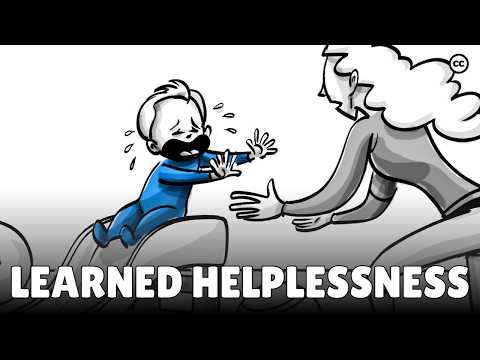
You know that feeling when life just seems too heavy? Like, no matter what you do, the weight is there and nothing changes? That’s kinda what learned helplessness is all about.
It’s this tricky little thing where you feel stuck. You try so hard, but it feels useless. You get down on yourself, and before you know it, depression creeps in.
So, let’s chat about how this connects to depression treatment. Seriously, understanding this stuff can make a huge difference! It’s like flipping a light switch in a dark room. Who wouldn’t want that?
Understanding Learned Helplessness: How It Contributes to Depression and Pathways to Recovery
Understanding learned helplessness is pretty crucial, especially when we talk about how it connects to depression. So, basically, learned helplessness is like a psychological state where you feel powerless after repeatedly experiencing negative outcomes, no matter what you do. Imagine being a dog in an experiment: every time it tried to escape from a little shock, it found itself unable to do anything about it. Eventually, the dog just lays there, accepting its fate. That’s learned helplessness in action.
Now, this concept totally intersects with depression. When you feel like nothing you do will change your situation—like every effort is pointless—it can lead to feeling really sad or hopeless. It’s almost like you’re stuck in this thick fog where everything seems dull and dreary.
Some of the key points about how learned helplessness relates to depression include:
- Loss of Control: You start believing that your actions don’t make a difference. This belief can sour your outlook on life.
- Cognitive Distortions: Basically, your brain starts playing tricks on you. You might think everything’s going wrong because of you and not because of external factors.
- Avoidance Behaviors: When you’re convinced that trying will lead to failure, it’s easier to avoid challenges altogether.
So yeah, let’s say you’re working really hard on a project at work but keep getting critiqued harshly. Over time, if that negativity piles up without any positive feedback or success, you might stop trying altogether. You might even start feeling worthless or hopeless—classic signs of depression.
But here’s the bright side; understanding this cycle can open up pathways for recovery! There are ways out of that dark tunnel:
- Cognitive Behavioral Therapy (CBT): This type of therapy helps you reframe those negative thought patterns. Instead of thinking «I can never succeed,» you’d learn to see situations differently.
- Gradual Exposure: By gradually facing your fears or challenges—little by little—you can rebuild confidence and feel more empowered.
- Mindfulness and Self-Compassion: Keeping yourself grounded in the present moment and treating yourself kindly can help shift the narrative from feeling helpless to being hopeful.
Maybe picture someone who’s been through tough times but finds tiny wins each day—a compliment from a coworker or completing a task—eventually leading them out of that heavy fog they’ve been living in.
The thing is, overcoming learned helplessness requires patience and practice; change doesn’t happen overnight. But each small step can build back that sense of control, bit by bit.
So yeah, while learned helplessness plays a big role in depression feelings and behaviors, understanding it opens doors for healing—a journey worth taking!
Understanding Learned Helplessness Theory: Overcoming Negative Patterns in Mental Health
Learned helplessness theory is a concept that can really help you understand how some negative patterns in your life develop, especially in relation to mental health issues like depression. Basically, it all started from some experiments with dogs, where they realized that when animals felt they couldn’t escape unpleasant situations, they just stopped trying. The dogs were trained to be shocked without any way out and eventually just gave up even when the chance to escape was there!
So, what’s the connection to humans? Well, when people experience repeated failures or hardships—whether it’s failing an exam, dealing with a tough relationship, or facing ongoing stress—they can start feeling like nothing they do makes a difference. It’s like having this inner voice that says, “Why bother trying? It’s always going to end up badly.” This can lead to feelings of anxiety and deep sadness.
So here’s the thing: once someone gets stuck in this cycle of learned helplessness, it can be hard to break free. You might think about times when you tried something—like learning a new skill or pursuing a job—but after a couple of setbacks, you just thought “Forget it!” You weren’t just giving up on that task; you were starting to believe you wouldn’t succeed at anything.
Breaking free from learned helplessness involves recognizing these negative thought patterns and challenging them. Here are some key points about overcoming these habits:
Sometimes people find themselves at therapy sessions discussing their struggles with motivation or feeling stuck. This is where learning about learned helplessness can be powerful—a therapist might guide you through strategies that help rewire those negative beliefs.
Also, there’s something called Cognitive Behavioral Therapy (CBT). It’s super effective for addressing learned helplessness because it focuses on changing unhelpful thinking and behavior patterns. A lot of folks notice improvements in their overall mood once they start reframing how they see their challenges.
To put this all into perspective: remember that moment when you finally achieved something after doubting yourself for ages? Whether it was acing that test or finally nailing a presentation at work—recalling those moments helps break down the barriers created by learned helplessness.
Really, overcoming these negative patterns isn’t easy; it’s more like climbing a steep hill than taking an elevator ride. But every little step helps show yourself that change is possible—and that’s powerful for folks dealing with mental health challenges! So hang in there; you’ve totally got this!
Understanding Seligman’s Learned Helplessness: Insights From the Dog Experiment
Let’s talk about learned helplessness. It’s this concept that became pretty famous thanks to the work of psychologist Martin Seligman. You might not think of dogs when you hear about depression, but stick with me; it all connects!
So, here’s the deal: Seligman did some experiments back in the late 1960s with dogs. He noticed something strange after putting them through some stressful situations. Basically, what happened was he divided them into two groups. One group experienced something they could control, like pressing a lever to stop a mild electric shock. The other group? Not so lucky. They just got shocked without any way to escape.
After this initial phase, he put both groups in a new situation where they could easily escape the shocks by jumping over a barrier. Surprisingly, the dogs that had been in the uncontrollable situation didn’t even try! They just sat there and took it. That’s when he realized these poor pups had learned to be helpless.
- This idea showed that when animals (and people) feel like they have no control over their circumstances, they may stop trying altogether.
- In humans, this often looks like giving up on making changes or feeling hopeless—a major player in conditions like depression.
- Seligman’s work emphasized that depression isn’t just about being sad; it can also be rooted in how we perceive our ability to influence our lives.
Now, you might wonder why we’re chatting about dogs and psychology together. Good question! The significance here is huge for understanding depression treatment. The notions around learned helplessness have shaped how therapists approach helping people who feel trapped by their circumstances.
For example, let’s say someone has struggled with feelings of failure for years. In therapy, addressing those feelings means helping them see that they actually can make changes and take charge of at least some parts of their life—like those poor shocked pups learning they can jump over the barrier!
The idea transforms not just how people see their problems but also guides methods like cognitive-behavioral therapy (CBT). CBT tackles those negative thought patterns that feed into feeling helpless, pushing back against that learned behavior.
This journey from understanding learned helplessness is key for many folks dealing with mental health challenges. It opens doors to empowerment and recovery—helping people realize they’re not just passive passengers but active players in their own lives.
The bottom line? Learned helplessness shows us how critical our sense of control is for mental health. Just like those dogs needed a chance to break free from their old lessons, many of us can unlearn what holds us back too.
So, okay, let’s chat about learned helplessness for a sec. This is a concept that sounds kinda heavy but honestly, it’s super relatable. Just imagine being stuck in a situation and feeling like no matter what you do, you can’t change it. Crazy frustrating, right? It’s like being in a maze with no exit signs or even worse—someone keeps moving the walls.
When we think about how this ties into depression, things start to click. If you feel powerless for too long, there’s this tendency to stop trying altogether. It’s like your brain hits the snooze button on hope. You know someone who has been in that loop? I had a friend once who just couldn’t shake off her sadness. She’d try therapy and medication but would often say stuff like “What’s the point?” It broke my heart to see her feel so stuck.
Now, in the world of treating depression, understanding learned helplessness is pretty key. Therapists often focus on helping folks break free from that cycle of powerlessness. They might use cognitive-behavioral techniques (CBT), which are all about rethinking those negative thoughts that keep you trapped. Like when my friend started challenging her belief that she was hopeless—her progress was slow but real!
It can be tough because reversing learned helplessness takes time and effort. A lot of patience is involved—not just for the person struggling but also for their support system. You can’t just snap your fingers and make it better overnight; instead, you have to build up little wins over time.
So yeah, tackling learned helplessness feels super important when figuring out how to treat depression effectively. It helps people recognize they actually have some control and choices in their lives—however small they may seem at first glance. And sometimes? That tiny flicker of hope is all it takes to start climbing out of that dark hole!