Hey, you! So, you know how sometimes life just throws a ton of stuff at you? Like, you’re juggling work, relationships, and maybe some inner battles that seem never-ending? Yeah, it can be a lot.
And then there are those moments when you hear about medications that can help. You might’ve come across SSRIs. They’re like the go-to for tackling depression and anxiety. But not all SSRIs are created equal, right? Some can feel a bit heavy on the system.
So let’s chat about the least activating ones out there—like the chill pills that help without making you feel all weird and bouncy. Imagine feeling more like yourself without that extra jittery feeling. That would be pretty sweet, wouldn’t it?
Grab your favorite drink and let’s unpack this together!
Exploring the Least Activating SSRIs: A Guide to Choosing the Right Antidepressant for Your Needs
When you’re looking at SSRIs, or selective serotonin reuptake inhibitors, it’s super important to consider how activating they are. You know, some can make you feel more awake and energized while others might not rev you up quite as much. So let’s break this down.
What are SSRIs?
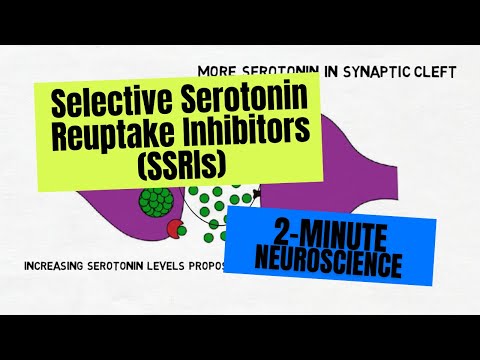
First off, SSRIs are a class of medications often used to treat depression and anxiety. They work by increasing serotonin levels in your brain, which can help lift your mood. Sounds good, right? But here’s the kicker—some of them can make you feel a bit jittery or restless.
Least Activating Options
If you’re looking for the least activating SSRIs, a few options come to mind:
- Fluoxetine (Prozac) – It can energize some but is generally on the milder side for activation.
- Citalopram (Celexa) – Known for being more calming than others.
- Escitalopram (Lexapro) – Similar to citalopram but often with fewer side effects.
- Sertraline (Zoloft) – Can be stimulating for some people but usually tolerable.
But seriously, it’s all about how your body reacts. Like my friend Sarah—she was prescribed sertraline and felt her anxiety decrease but also had a surge of energy that she didn’t like much. After a month of feeling like she’d chugged three cups of coffee daily, her doctor switched her to citalopram instead. That worked wonders!
Your Personal Experience Matters
Everyone’s chemistry is different. What works great for you may not fit someone else at all. The least activating medication might still not be right if you have other conditions involved. For instance, if you struggle with fatigue or sleep issues, an activating SSRI might mess with that.
The Importance of Communication
You should always keep an open line with your healthcare provider about how you’re feeling. If one SSRI makes you feel «wired,» don’t hesitate to bring it up! They’re there to help find what really works for you.
A Closer Look at Side Effects
Even the least activating SSRIs can have side effects—like nausea, weight gain, or sexual dysfunction. It’s kind of a trade-off thing: balancing benefits against drawbacks.
So yeah—you’ve got options! Choosing the right SSRI isn’t just about it being less activating; it’s also about how it fits into your life and mental health journey. Keeping track of your experiences can help fine-tune what works best for you—and that’s what matters most in the end!
Understanding the Energizing Effects of Zoloft: Can This Antidepressant Be Activating?
So, let’s chat about Zoloft, one of the well-known antidepressants out there. You might have heard that some people feel more energized when they take it. But what does that really mean? Can this med actually be activating for some folks? Well, here’s the deal.
Zoloft, which is also known as sertraline, is a type of medication called an SSRI (selective serotonin reuptake inhibitor). Basically, it works by increasing levels of serotonin in your brain. This neurotransmitter plays a big role in mood regulation, and the theory goes that more serotonin can help lift you out of that funk.
Now, here’s where it gets interesting. For some people, taking Zoloft can feel like flipping a switch from low-energy chaos to a spark of motivation and vigor. They get up, start moving around—like finally tackling that to-do list that’s been gathering dust! Sounds nice, huh?
But hold up—this isn’t everyone’s experience. Some folks might find Zoloft makes them feel a bit blah or even leads to fatigue instead of energy. It really depends on your individual chemistry and how you react to the medication.
Here are some key points about Zoloft’s energizing effects:
- Activation vs. Sedation: While many people experience activation with Zoloft, others report feeling sedated or tired. Your reaction could vary based on your mood disorder or personal body chemistry.
- Timing Matters: Often people find that their energy levels change over time as their bodies adjust to the medication. What starts as low energy could shift into something more energizing after a few weeks.
- Combining with Other Meds: Sometimes other medications can affect how Zoloft works for you too—like if you’re on something else for anxiety or sleep; those interactions can influence whether you feel energized or not.
No matter what side of the spectrum you fall on, communication with your doctor is super important. If Zoloft feels like it’s making you wired—or just plain worn out—it’s worth chatting about options or adjustments in dosage.
And honestly? It might take time to find what works best for you. It reminds me of my friend who started taking it and felt amazing at first but then hit a wall later on. After talking to her doc and tweaking her treatment plan a bit, she found her sweet spot!
In any case, whether activating or not, understanding how medications like Zoloft fit into your overall mental health is key to finding balance and feeling good again. Remember: every person responds differently! Stay curious and keep those conversations going with your healthcare team!
Exploring the Impact of Lexapro on Emotions: Does It Really Dull Feelings?
So, let’s talk about Lexapro and its impact on emotions. This medication, often prescribed for anxiety and depression, belongs to a family of drugs called SSRIs—or selective serotonin reuptake inhibitors. Now, the big question many people have is whether using Lexapro really dulls your feelings.
First off, it’s important to understand how Lexapro works. Basically, it boosts the levels of serotonin in your brain. Serotonin is that feel-good chemical that helps regulate mood. So, on one hand, boosting serotonin can make you feel more balanced and less anxious. But on the flip side, some folks worry that it might also flatten their emotions or make them feel less connected to joy or sadness.
You see, when you’re feeling low because of things like anxiety or depression, medications like Lexapro can help lift that heavy fog. But there can be this weird middle ground where your feelings are less intense overall. It’s like if you turned down the volume on all the emotional music playing in your head—not just the sad tracks but also those happy ones too.
Here’s where things get personal. Imagine you’re a person who loves watching movies that make you cry—maybe “The Notebook” gets you every time! You put off starting Lexapro because you’re afraid you’ll miss those emotional highs and lows. After a few weeks on it, maybe those tear-jerker moments don’t hit as hard anymore. Some people report feeling “meh” instead of fully engaging with their favorite films or songs.
Now let’s break down some key points about how Lexapro interacts with emotions:
- Emotional Dulling: Yes, some users report a sense of emotional numbness—a blunting effect on both positive and negative feelings.
- Stabilization: For many people, however, this dulling is outweighed by improved mood stability—less anxiety means they can actually enjoy life more.
- Individual Variation: Everyone’s experience varies widely; what dulls feelings for one might bring clarity and calm for another.
- Tapering: If someone decides to stop taking Lexapro suddenly without consulting a doctor, they might experience withdrawal symptoms which could shake up their emotional landscape.
Sometimes people don’t realize these effects until they’ve been on the medication for a bit. So it’s crucial to keep having conversations with your healthcare provider about how you’re feeling. If you’re noticing a loss in emotional depth or if it feels too much like walking through life in black-and-white instead of color—bring that up!
The thing is, if you’re considering Lexapro or already taking it and feeling confused about what it’s doing to your emotions—it helps to have ongoing discussions about it with someone knowledgeable who can guide you through the ups and downs.
In the grand scheme of things, medications affect everyone differently; there’s no one-size-fits-all answer here. Ultimately, finding emotional balance may require tweaking dosages or even trying different medications entirely until something feels right for you.
So yeah—Lexapro can impact how intensely we experience emotions. It might not be outright dulling them flat out but rather changing how we process our feelings during tough times so we can function better day-to-day. Just remember: talking openly about these experiences is key!
So, let’s chat about SSRIs, or selective serotonin reuptake inhibitors, if you wanna get all technical. You know how sometimes you’re feeling low and nothing seems to work? Well, for a lot of people dealing with anxiety or depression, these meds can really be a game changer. But here’s the thing: not all SSRIs hit the same way for everyone.
When we talk about the “least activating” SSRIs, we’re looking at those that don’t leave you feeling all jittery or restless. Like, if you’ve ever taken something and felt like you’ve had too much coffee—yeah, that’s what we want to avoid. For folks who are already anxious or on edge, this could be super important.
I remember a buddy who was having a tough time with sleep and anxiety. He tried one of the more activating SSRIs and said it was like he’d chugged five energy drinks instead of taking his meds. He felt wired but also drained—really messed up combo! After chatting with his doc, they switched him to one of those gentler ones that helped lift his mood without turning him into a bouncing ball of nerves. It made such a difference for him!
Basically, finding the right medication is kind of like finding your favorite pair of shoes—sometimes it takes a little trial and error. The doc usually starts off with something they think will work best for your specific needs. But hey, everyone’s body chemistry is different; what works wonders for one person might totally flop for another.
And let’s not skip over the side effects—they’re real! Some might experience things like nausea or headaches when starting SSRIs but often these feelings fade after a bit. It’s about keeping open lines of communication with your healthcare provider so they can tweak things if needed.
All in all, when it comes to managing mental health with medications like SSRIs, being aware of how you respond is key. Finding that least activating option can help make sure you’re getting support without feeling too wired or miserable along the way. Just remember: it’s okay to ask questions and advocate for what feels right for you!