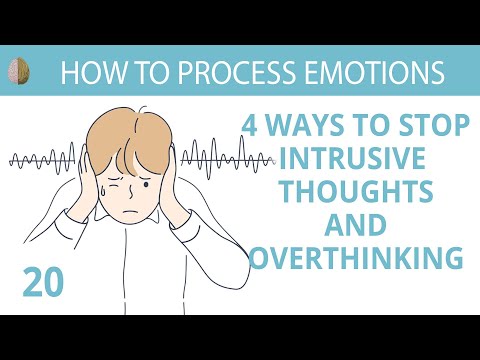
You know those thoughts that just pop up out of nowhere? Yeah, the annoying ones. They can really mess with your day, right?
Sometimes they feel like uninvited guests at a party. And trust me, you don’t want them crashing your vibe.
But what if we could learn to handle them better? Like, actually release them instead of letting them hang around?
Let’s chat about how you can kick those pesky thoughts to the curb and find some peace of mind. Sound good?
Ultimate Guide to Eliminating Negative Thoughts for a Positive Mindset
It’s tough, isn’t it? Those negative thoughts creeping in like uninvited guests. You’re just trying to get through your day, and suddenly you’re stuck in your head, replaying stuff that makes you feel terrible. Seriously, it can feel like a mountain of negativity weighing you down.
So, how do we start shaking off those pesky thoughts? Well, let’s dig into some strategies.
First things first, acknowledge those thoughts. Sounds simple enough, but hear me out. If a negative thought pops up—like “I’m not good enough” or “I always mess things up”—just notice it. Don’t judge it or fight it; just let it sit there for a moment.
Next up is challenging those thoughts. Ask yourself questions like: “Is this really true?” or “What evidence do I have for this thought?” You might be surprised at how often these thoughts are based on feelings rather than facts. It’s like looking at a funhouse mirror; sometimes what you see isn’t the reality.
Now let’s move on to reframing. This one’s kind of cool. Instead of saying “I can’t do this,” try switching to “I’ll give it my best shot.” By tweaking your words, you can totally change how you feel about the situation. Words have power — they shape our mindset.
Another technique is mindfulness. This is about being present and observing your thoughts without judgement. It’s all about taking a step back and seeing them as clouds passing by in the sky—this can help create some distance from them. A friend of mine once told me they found peace just by taking deep breaths and focusing on their surroundings when those nagging thoughts popped up.
Don’t forget about self-compassion, too! Treat yourself like how you’d treat a good friend who’s feeling down. Would you tell them they’re worthless? No way! So be kinder to yourself when those intrusive thoughts show up.
And if you’re ever feeling overwhelmed, talk to someone—a trusted friend or even a therapist could really help lighten that load. Sometimes just sharing what you’re thinking can make things less daunting.
Lastly, make sure to surround yourself with positivity! Engage with content that lifts you up—whether that’s music, podcasts, books or even just positive affirmations around your space.
In summary:
- Acknowledge: Recognize those negative thoughts without judgement.
- Challenge: Question their validity.
- Reframe: Change how you express them.
- Mindfulness: Observe without engagement.
- Be kind: Show self-compassion.
- Talk: Share with others when needed.
- Pursue positivity: Fill your life with uplifting influences.
Remember that changing your mindset is a journey—it won’t happen overnight. It takes practice and patience but working on releasing those intrusive thoughts will lead to better mental wellbeing over time!
Understanding Intrusive Thoughts: Common Examples and Coping Strategies
Intrusive thoughts can be really unnerving. They pop up out of nowhere, right? You might be going about your day, feeling chill, and suddenly, boom! A thought that makes you question everything rushes in. It’s super common, and you’re not alone in this.
So what exactly are these intrusive thoughts? Basically, they’re unwanted thoughts or images that just crash the party in your mind. They can be anything from disturbing scenarios to worries about something silly. For example, you might think, “What if I just yelled something inappropriate in the middle of a meeting?” or “What if I accidentally hurt someone?” These thoughts can feel super real and intense, often leading to feelings of anxiety or guilt.
But why do they happen? Well, it turns out our brains are wired to keep us on our toes. Sometimes they throw these curveballs to help us anticipate danger or prepare for what could go wrong. And guess what? That’s totally normal! The problem is when these thoughts become repetitive and start messing with your mental wellbeing.
A lot of people deal with these kinds of thoughts—seriously! Here are some common examples:
- Violent thoughts: Like imagining harming someone (even though you’d never actually do it).
- Social anxiety: Thoughts about embarrassing yourself in public.
- Compulsive worries: Constantly thinking you might forget to turn off the stove.
- Silly or absurd scenarios: Imagining you’ll accidentally shout something inappropriate while giving a speech.
The thing is, when we try to fight off these intrusive thoughts, it can make them even worse! This was a lesson Sarah learned the hard way. She would have random thoughts during her daily jog about tripping and falling hard or losing control and yelling at random strangers. Instead of brushing them off, she’d focus on them more intensely. Guess what happened? The more she fought those thoughts, the stronger they got!
Now let’s talk about coping strategies. There are ways to help manage those pesky intrusions without letting them take over your life:
- Acknowledge them: Recognize that having intrusive thoughts doesn’t mean there’s something wrong with you.
- Mindfulness exercises: Try grounding techniques like focusing on your breath or observing your surroundings.
- Cognitive Behavioral Therapy (CBT): This approach helps challenge negative thought patterns and develop healthier responses.
- Create distance: Use humor or visualization techniques—imagine putting that thought into a balloon and watching it float away!
Sometimes talking it out can do wonders too. Whether it’s with a friend who gets it or a therapist who knows their stuff; sharing how you feel might ease some pressure off your shoulders.
Just remember: everybody has wacky thoughts sometimes—what matters is how we respond to them. Recognizing they’re just fleeting moments can lessen their power over time. Being kind to yourself makes all the difference too!
Navigating intrusive thoughts is like learning any new skill—it takes practice and patience but hey, you’re capable of figuring this out! So next time an intrusive thought comes knocking at your door…. Just let it in for a sec; then show it the door again!
Effective Strategies to Break the Cycle of Obsessive Thoughts and Find Mental Clarity
Breaking the cycle of obsessive thoughts can feel like trying to escape a spider’s web. You know, one thought leads to another, and suddenly you’re stuck in a loop that feels impossible to break. If you’ve been there, you’re not alone. Many people struggle with intrusive thoughts that weigh on their minds and prevent them from finding mental clarity.
First off, **awareness** is key. Recognizing when those pesky thoughts creep in is the first step toward managing them. You might find it helpful to keep a journal, just jotting down your thoughts as they come up. This can help you see patterns in what triggers these intrusive ideas.
Next up is **challenging those thoughts**. Instead of accepting them as facts, try questioning their validity. You might ask yourself things like: “Is this thought really true?” or “What evidence do I have to support this?” It’s like playing devil’s advocate with yourself—forcing your brain to dig deeper and reconsider.
Now, let’s talk about **mindfulness techniques**. These are super effective for gaining mental clarity and reducing anxiety. Simple things like deep breathing or focusing on your senses can be grounding when those obsessive thoughts take over. For example, when you feel overwhelmed, take a moment to breathe deeply and concentrate on what’s around you—the colors of the walls, the sounds outside, even the feeling of your feet on the floor.
Another good strategy is **distraction**. Sounds easy enough, right? But seriously, engaging in an activity that requires focus can help redirect your mind away from those intrusive thoughts. Whether it’s cooking a new recipe or diving into a good book—find something that captures your attention fully.
You might also want to consider **talking it out** with someone—a friend or therapist can provide fresh perspectives that make all the difference. Sometimes just verbalizing what’s racing through your mind helps lighten the load.
Also important is building a healthy **routine**. Regular physical activity and balanced nutrition play major roles in mental well-being. Even small changes—like taking daily walks or adding more fruits and veggies into your meals—can boost mood and ease anxiety levels over time.
Lastly, practicing **self-compassion** goes a long way too! It’s easy to be hard on yourself for having these thoughts; remember they don’t define you! Treat yourself with kindness when you find yourself wrapped up in obsessive thinking; reassure yourself that it’s okay—you’re working through it.
Basically, breaking free from obsessive thoughts takes time and practice but implementing these strategies can really help pave the way for better mental wellbeing:
- Aware of triggers
- Challenge unhelpful beliefs
- Embrace mindfulness
- Distraction techniques
- Talk it out
- Establish routines
- Practice self-compassion
So next time those obsessive thoughts start swirling around in your head like an unexpected storm, remember these strategies; they could be just what you need to find that much-needed clarity again!
You know, intrusive thoughts can feel like uninvited guests crashing your mental party. They pop up when you least expect them, throwing a wrench in your day. I mean, we’ve all been there—suddenly worrying about something ridiculous, like whether you left the oven on, or even more intense stuff that just doesn’t seem to go away.
I remember this one time sitting in a meeting at work. Everything was flowing smoothly until boom! This thought hit me outta nowhere: “What if I said something really dumb and everyone thinks I’m an idiot?” Distracting, right? It spiraled into this whole internal panic. But after a moment, I realized something important. Those thoughts are just that—thoughts. They don’t define me or my abilities.
So, like, what’s the deal with these pesky thoughts? Intrusive thoughts often creep in when we’re stressed or overwhelmed. They can be anything from fears of making a mistake to dark scenarios about what could go wrong. When they show up unannounced, it’s easy to get sucked into them and let them ruin your day.
But here’s where it gets interesting: releasing those thoughts doesn’t mean fighting them tooth and nail. Instead of wrestling with the idea that you shouldn’t be thinking that way, try acknowledging them without judgment. You might say to yourself, “Okay, that’s an interesting thought,” and just let it pass like a cloud drifting by on a sunny day. Seriously! Just because you think something doesn’t mean it’s true.
Mindfulness can be super helpful here. It encourages you to stay present and recognize your feelings without getting lost in them. Imagine sitting quietly for a few moments—maybe focusing on your breath or the sounds around you—and gently nudging those thoughts away as if they were leaves floating down a stream.
And look, if things ever feel too heavy or overwhelming to manage alone? That’s totally okay! Connecting with someone—a friend or even a professional—can help lighten the load even more.
So yeah, intrusive thoughts don’t have to be the boss of you. By recognizing them and allowing yourself some space to breathe through them without judgment, you might just find a little more peace of mind along the way.