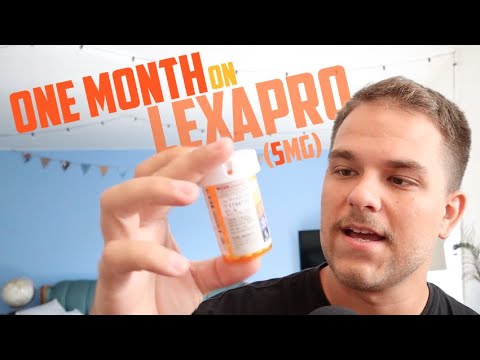
Hey, you know what? Mental health is a big deal these days. Seriously, it’s on everyone’s radar. If you’ve been feeling off or just not yourself, you’re not alone.
That’s where medications like Lexapro come in. Ever heard of it? It’s pretty common in the mental health scene, especially for folks dealing with anxiety or depression.
But hey, what exactly does Lexapro do, and why might someone be prescribed it? Let’s break it down together. It’s all about understanding how it fits into the bigger picture of feeling better. Ready?
How Lexapro May Help Manage Overthinking: Understanding Its Effects on Mental Health
Overthinking can feel like a hamster wheel, right? You’re stuck in your head, going around and around. It’s exhausting! And for some, this constant mental chatter can lead to anxiety and depression. That’s where medications like Lexapro, which is an SSRI (selective serotonin reuptake inhibitor), might come into play.
Now, how does Lexapro actually work? The basic idea is that it increases the level of serotonin in your brain. Serotonin is a neurotransmitter that helps mood regulation. So when you fill that up, it can help calm down those racing thoughts and create a sense of balance.
Here are some key ways Lexapro might help with overthinking:
- Reduces Anxiety: By calming the brain’s activity levels, it helps decrease feelings of anxiety that often fuel overthinking.
- Enhances Mood: A better mood means less focus on negative thoughts. When you feel good, you’re less likely to spiral into overanalysis.
- Improves Focus: It can help you think more clearly and concentrate on what’s important instead of getting lost in those pesky thoughts.
Let me tell ya about Jenny—a friend of mine. She used to stay up late just cycling through everything she’d said or done during the day. It was like she was stuck in this loop of worry about how others perceived her. After chatting with her doc, she started on Lexapro. Over time, those relentless worries eased up! She could finally engage in life without constantly doubting herself.
But here’s the thing: not everyone experiences the same effects right away. Some folks notice improvements within a week or two, while others might take longer—up to 6-8 weeks sometimes! You know how it goes; patience is key.
Side note: there’s always a chance for side effects too, like headaches or some tummy issues at first, but they usually fade as your body gets used to the meds. Just keep an open dialogue with your healthcare provider if something feels off.
Also important—medications aren’t magic pills by themselves! They often work best alongside therapy or counseling. Think of it as having tools in your toolkit: Lexapro helps manage symptoms while therapy gives you strategies to tackle the root of those overthinking patterns.
In sum, if overthinking clouds your mind and hampers joy in life, Lexapro might be worth discussing with your doctor. It could be just what you need to get off that mental hamster wheel and start enjoying the ride again!
Understanding Lexapro: How It Affects Your Emotions and Mental Well-Being
There’s a lot of chatter around Lexapro, especially if you’re dealing with anxiety or depression. It’s one of those antidepressants that can really help shift how you feel emotionally. So, let’s break it down in a way that makes sense without getting too technical.
What exactly is Lexapro? Well, it’s the brand name for escitalopram, which belongs to a class of medications called SSRIs — that stands for selective serotonin reuptake inhibitors. Basically, what this means is that Lexapro helps increase the level of serotonin in your brain. Serotonin is a neurotransmitter that plays a big role in mood regulation. If you’ve been feeling low or anxious, this boost can make a world of difference.
Now, how does it affect your emotions? When you start taking Lexapro, many people notice an improvement in their overall mood after a few weeks. It doesn’t work overnight; it takes time to build up in your system and do its thing. Some folks describe feeling less overwhelmed by daily stressors or finding that they’re not spiraling into negative thoughts as easily as before.
So what can you expect when starting it? Here are a few key points:
So here’s an anecdote: A friend of mine struggled with anxiety for years—always felt on edge and couldn’t shake off those racing thoughts. After chatting with her doctor, she decided to try Lexapro. At first, she was hesitant—who wouldn’t be? But after about four weeks, she told me she felt lighter somehow and could enjoy things like going out with friends again without panicking every minute.
But hold on! It’s super important to remember that everyone responds differently to medications. What works beautifully for one person might not click as well for another. And then there’s the need for consistent check-ins with your healthcare provider to figure out if it’s doing its job—or if adjustments are necessary.
A final thought: While Lexapro can help lift some emotional burdens, it’s not a magic fix-all solution. Therapy often works great alongside medication because it helps tackle deeper issues while keeping those mood levels steady.
In summary, understanding how Lexapro affects emotions and mental well-being is all about recognizing its role in boosting serotonin levels and improving overall mood stability over time—usually alongside therapy or other coping strategies!
Optimal Timing for Taking Lexapro: A Guide to Managing Anxiety Effectively
Taking medications like Lexapro can feel a bit overwhelming, especially when you’re trying to figure out the best time to take them. With anxiety being such a common thing for many people, finding a routine that works is important. So, let’s break down some info on taking Lexapro at the right time, which is super helpful for managing anxiety effectively.
What is Lexapro?
Lexapro, or escitalopram, is a type of antidepressant known as an SSRI (Selective Serotonin Reuptake Inhibitor). It helps boost the levels of serotonin in your brain, which can improve mood and reduce anxiety. People often find that it takes a few weeks to really feel the benefits, so patience is key here!
Timing Matters
When you start taking Lexapro, one of the biggest decisions you’ll face is when to take it. You know how some folks are morning people and others are night owls? Well, the timing of your medication can make a difference depending on how your body reacts to it.
For instance, I remember my friend Alex had some trouble with nighttime anxiety. Initially, he took his Lexapro in the morning but felt jittery throughout the day. Switching it to night helped him immensely; he was able to wind down better before bed.
Consistency Is Key
Whatever time you choose should be consistent each day. This means if you decide on mornings after breakfast or evenings before bed, try sticking to that schedule. The thing is—keeping a regular routine helps maintain stable levels of the medication in your body.
If there are days when life gets chaotic and you forget to take it at your usual time? Well, just try not to stress too much about it! Just pick up where you left off as soon as you remember. That said though—never double up on doses without consulting with your doctor first!
Caution with Other Medications
If you’re taking other medications or supplements alongside Lexapro—and hey many people do—it’s crucial to chat with your healthcare provider about timing and interactions. Some meds can amp each other up or even mess with each other’s effectiveness.
You know that feeling when you’ve had too much caffeine? It’s so not fun! That’s similar to what might happen if certain medications conflict with Lexapro. Run anything new by your doctor just to stay safe.
A Little Patience Goes A Long Way
Lexapro doesn’t work miracles overnight; often it takes several weeks for its full effects to kick in. So don’t lose hope if things don’t magically change right away! Hang tight during those early days while giving your body time to adapt.
Ultimately though… every person reacts differently! It’s super important for everyone to find their own rhythm with timing and dosages based on their unique experiences and responses.
In short: taking Lexapro isn’t just about popping a pill; it involves playing around with timing until you find what feels best for YOU! Whether that’s morning or night—and always keeping in touch with your healthcare professional along the way—can make all the difference in managing anxiety effectively!
So, let’s talk about Lexapro. You might’ve heard of it, right? It’s one of those medications that people often mention when they’re discussing mental health treatments. It’s actually used to treat anxiety and depression—and it can make a real difference for many folks.
I remember a friend of mine, Sarah. She was feeling really low for what seemed like ages. Just getting out of bed was a big deal for her. After trying therapy and realizing she needed a little extra help, her doctor prescribed Lexapro. At first, she was nervous—like, would it change who she was? But it ended up being a lifesaver.
What you gotta know is that Lexapro works by balancing certain chemicals in the brain, especially serotonin. This little guy is often called the “feel-good” hormone because it helps regulate mood and social behavior. When Sarah started taking it, she noticed that gradually those heavy clouds hanging over her began to lift.
Of course, it’s not all sunshine and rainbows; there are side effects to consider too—some folks experience nausea or fatigue when they start taking it. And everyone’s different; what works wonders for one person might not do much for another.
But seriously, the thing is: medication like Lexapro can be an important part of a bigger picture when it comes to mental health treatment. It often goes hand-in-hand with therapy or lifestyle changes—like exercise or even just finding time to chill out with friends.
So if you’re thinking about something like this for yourself or someone you care about, remember that it’s not just about the pills; it’s about finding the right balance and support system. That supportive hug from someone who gets it? Yeah, that counts too!