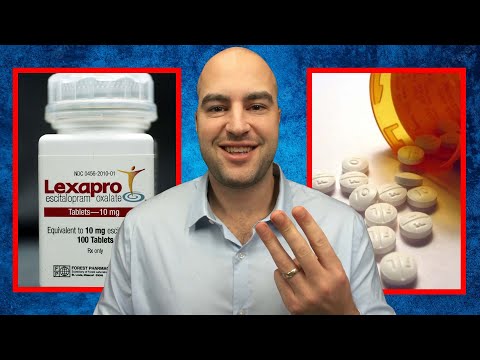
Hey, you ever start a new medication and then suddenly wonder if you’re turning into a human sprinkler? Yeah, same here. It’s wild how a little pill can lead to unexpected side effects like sweating buckets.
So, let’s chat about Lexapro. You know, that popular antidepressant that helps with anxiety and depression? It works for a lot of folks, but it can come with some quirks, like increased sweating. Not the kind of thing we put on our “pros and cons” list when deciding to go on meds, right?
What’s the deal with this unexpected drenching? And how do you handle it without feeling like you just ran a marathon every single day? Stick around; we’ll sort through it together!
Effective Strategies to Overcome Anxiety-Induced Sweating: Tips for Lasting Relief
Anxiety can sometimes feel like a wild beast, and when it’s showing up as sweating, it can be super uncomfortable. So, what do you do about it? Let’s break down some effective strategies to help tackle that anxiety-induced sweating.
Understand the Connection: First off, if you’re on medications like Lexapro, sweating might be one of those side effects that sneak up on you. SSRIs can mess with your nervous system, which controls sweat. It’s not just you; this happens to others too. Understanding that connection can make the whole situation feel less isolating.
Practice Mindfulness: Ever heard of mindfulness? It’s all about being present and aware of your thoughts and feelings without judgment. You might try deep breathing exercises or meditation. Just focusing on your breath can help cool those sweaty moments down. Imagine sitting in a quiet room, inhaling fresh air slowly while letting go of anxious thoughts—feels good!
Stay Hydrated: I know it sounds simple, but drinking enough water really helps regulate body temperature. Sweating is your body’s way of cooling off. If you’re dehydrated, your body can struggle to cool down properly. So grab that water bottle and sip away!
Keep Cool: And hey, lowering the temperature around you could really help too! If you’re feeling hot and anxious at the same time, crank up a fan or move to a cooler spot in the house or outside for a while.
Exercise Regularly: Yeah, working out is not just good for your body; it’s also great for your mind! Regular exercise releases endorphins—those feel-good chemicals—which can ease anxiety in general. Plus it gets rid of some pent-up energy that might otherwise lead to more sweating.
Avoid Triggers: You’ll want to figure out what makes you sweat even more—like spicy foods or caffeine—and try to cut back on those when possible. Keeping a diary might help you see patterns over time so you know what to avoid.
Talk About It: Seriously consider talking with a mental health professional who understands anxiety and its effects on your body. They might suggest Cognitive Behavioral Therapy (CBT), which has helped lots of people find new ways to handle their anxious thoughts—and by extension reduce those sweaty moments.
Medication Adjustments: If you’re noticing excessive sweating due to meds like Lexapro and it’s bothering you a lot, don’t hesitate; reach out to your doctor about it! Sometimes just tweaking the dosage or switching meds could alleviate side effects while still keeping that anxiety in check.
Connecting with others who are dealing with something similar can be helpful too; sharing experiences often lends support and practical advice from folks who’ve been there.
So basically, managing anxiety-induced sweating isn’t just about one method but trying different strategies until the right mix clicks for you. You’ve got this!
Exploring the Mental Side Effects of Lexapro: What You Need to Know
So, let’s chat about Lexapro and some of those mental side effects that might pop up. Lexapro is one of those antidepressants known as SSRIs, which stands for selective serotonin reuptake inhibitor. Basically, it boosts serotonin levels in your brain, and many people find it super helpful for anxiety and depression.
But, like any med, it can come with its quirks. Some folks might experience side effects that are more on the mental side of things. Here’s what you should know:
1. Anxiety or Jitters
You might feel a bit more anxious at first when starting Lexapro. It can seem counterintuitive because you’re taking this medication to help with anxiety! For some people, this feeling fades after a few weeks, but it’s worth keeping an eye on.
2. Mood Changes
While many find their mood improves over time, some may notice mood swings or even feeling a bit flat emotionally. You could feel less excited about things you used to love or have a harder time connecting with others.
3. Insomnia or Sleep Issues
Sleep can get tricky. Some experience insomnia when starting Lexapro or notice they’re waking up more often at night—definitely not fun! Lack of good sleep can mess with your mood too.
4. Fatigue and Drowsiness
On the flip side, some people feel tired or drowsy during the day—not ideal if you’ve got stuff to do! It’s like your body can’t decide whether to speed up or slow down.
Now let’s talk about sweating—a common complaint with Lexapro that ties into mental health too. If you’ve noticed you’re sweating more than usual while on this medication, you’re not alone! This side effect might feel really annoying or even embarrassing sometimes.
The connection? Stress Response.
Sweating is part of your body’s stress response system—when you’re feeling anxious or stressed out mentally, sometimes it literally shows on your skin!
If these mental side effects are hanging on longer than you’d like—or if they’re making life difficult—it’s really important to connect with your healthcare provider. They’ll help you sort through options and figure out what works best for you.
Always keep in mind that everyone’s body reacts differently to meds like Lexapro. What works wonders for one person could be tough for another—and that’s okay!
So yeah, understanding these potential mental side effects is key for navigating your way through treatment effectively while keeping an eye on how you’re feeling overall.
Top Medications for Managing Anxiety-Related Sweating: A Comprehensive Guide
Dealing with anxiety can feel like a heavy weight on your shoulders. And as if that’s not enough, many people also face sweating that comes along with it. Yeah, it’s super uncomfortable. Now, medications can play a role in managing both anxiety and those annoying sweat episodes. So, let’s break this down a bit.
SSRIs and SNRIs are often the go-to treatments for anxiety disorders. Medications like **Lexapro** (escitalopram) and **Zoloft** (sertraline) are examples of SSRIs. While they work wonders for many folks in reducing anxiety, they can also cause side effects like sweating, which can be a bit of a double whammy.
Then there are **SNRIs**, which include drugs like **Effexor** (venlafaxine). These meds tackle both serotonin and norepinephrine levels in your brain. They’re generally effective but can lead to increased sweating in some people too.
Atypical Antidepressants, such as **Wellbutrin** (bupropion), don’t usually mess with your serotonin levels and may cause less sweating compared to their SSRI counterparts. This could make them an option if you’re really struggling with that sweaty situation while on meds.
Now, let’s not forget about **Beta-Blockers**! These are generally prescribed for physical symptoms of anxiety. You know, the heart racing, shaky hands? They can help reduce these feelings—and by extension—the sweating that often tags along. Medications like **Propranolol** come to mind here.
Benzodiazepines are another class commonly used for short-term relief from intense anxiety episodes. While they work quickly to alleviate symptoms, they’re typically not recommended for long-term use due to dependency risks. But some might experience changes in their sweating patterns while using them.
There’s also an interesting angle when talking about medications like **Clonidine**, which is usually used to treat high blood pressure but has been found helpful for reducing certain symptoms of anxiety too—sweating included!
In all this talk about meds, keep in mind that everyone reacts differently to each medication—what works wonders for one person might not do much for another or could even make things worse! You know? So if you’re considering any of these options or experiencing side effects like excessive sweating from your current medication, definitely chat with your doctor or mental health professional.
They’ll help you find the right balance between handling your anxiety while keeping those sweaty moments at bay! Remember, you deserve to feel comfortable and at ease—inside and out!
So, let’s talk about Lexapro for a sec. If you’re not familiar, Lexapro is one of those go-to meds doctors often prescribe for anxiety and depression. It’s like a little helper for your brain, you know? But—here’s the kicker—it can come with some side effects. One that catches people off guard is sweating, and it’s not just a «whoops, I forgot to wear deodorant» kind of sweating.
I remember chatting with my friend Sarah about her experience on Lexapro. She was feeling way better mentally but started noticing she’d wake up drenched in sweat or feel like she had just run a marathon after a simple stroll. At first, she was freaked out—like, is this normal? Am I dying? The thing is, it can freak you out when your body starts doing things you don’t expect.
Sweating might sound like an annoying side effect, but it actually makes sense if you think about it. Lexapro works by balancing out certain chemicals in your brain, which can mess with other automatic functions in your body—like how much you sweat! It’s wild how interconnected everything is.
But here’s the rub: It can be overwhelming when you’re trying to manage mental health stuff and then throw sweaty situations into the mix. Some folks feel self-conscious or embarrassed about it in social situations or just day-to-day life. Sarah told me she started carrying extra shirts everywhere because she was so worried about suddenly looking like she’d just done a triathlon during lunch breaks.
If you’re experiencing something similar while on Lexapro—or any med for that matter—it’s super important to talk with your doc. Maybe they’ll tweak your dosage or try something else altogether. You don’t have to tough it out alone; there’s help available!
And honestly? You should give yourself grace during this process. Navigating mental health is tough as nails already; adding side effects can feel like climbing a mountain while juggling flaming swords. So yeah, if you’re feeling off due to meds—and sweating isn’t fun—you’re definitely not alone in that boat! Just keep chatting with your healthcare provider and make sure you’re taking care of yourself both physically and mentally.