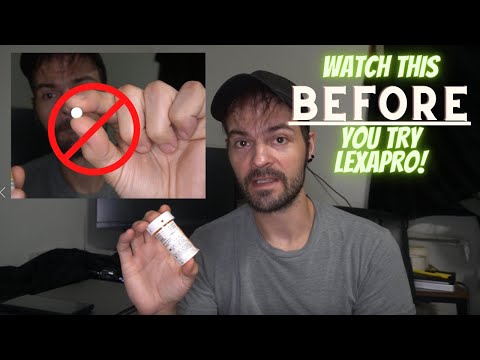
Hey, you know that feeling when your heart suddenly races for no reason? Like you just ran a marathon, but you’re actually just sitting there? Yeah, that can be pretty freaky.
So, what if I told you that if you’re on Lexapro, it might be part of the package? I mean, it’s not uncommon for folks to experience heart palpitations when they start taking this med.
But here’s the kicker—you’re not alone in this. Lots of people have mixed feelings about it. It can make you anxious, or leave you wondering if something’s wrong with your heart, like seriously wrong.
Let’s break it down together! We’ll chat about what’s happening in your body and mind when these palpitations hit and how to navigate that tricky territory between mental health and physical symptoms. Sound good? Cool!
Understanding Heart Palpitations: The Connection Between Lexapro and Your Heart Health
When you start noticing your heart racing or pounding, it can be a little freaky. Ever felt that way? Like, one moment you’re chilling on the couch, and the next your heart’s beating like you just ran a marathon. That’s called a heart palpitation. Now, if you’re taking Lexapro, which is generally prescribed for anxiety or depression, you might be wondering about the connection between the two.
Heart palpitations are usually harmless. They can happen for all sorts of reasons: stress, caffeine, lack of sleep… you name it. But if you’re on Lexapro—or any medication—it’s natural to connect the dots and wonder if the med is responsible for your racing heart.
So, what’s Lexapro? It’s an SSRI (selective serotonin reuptake inhibitor). Basically, it helps increase serotonin levels in your brain to boost mood. While SSRIs are often effective in helping with anxiety and depression symptoms, they can come with side effects. Heart palpitations can be one of them.
But here’s something important: not everyone experiences this side effect. Some people take Lexapro without any noticeable issues at all. If your heart starts doing its own dance when you start taking this medication, a few factors could be at play:
- Adjustment Period: When you first start taking Lexapro, your body is getting used to this new chemical balance. This adjustment can lead to temporary side effects like palpitations.
- Anxiety Levels: Sometimes your anxiety itself can cause those pounding sensations in your chest. So while you’re treating anxiety with meds, those feelings might still pop up.
- Caffeine Intake: You may not realize how much caffeine (like coffee or energy drinks) is affecting you when combined with Lexapro. Too much caffeine can trigger palpitations even when you’re on medication!
- Dose Changes: If your doctor adjusts your dose—whether increasing or decreasing—it could also cause some initial hiccups in how your body reacts.
It reminds me of my friend Jake; he started taking Lexapro after struggling with anxiety for years. At first, he felt great! But then he noticed his heartbeat was racing during moments that never bothered him before—like when he was just watching TV! It freaked him out at first because he thought something was seriously wrong with his heart. After chatting with his doctor and discovering it was likely just his body adjusting to the medication (and maybe a bit too much coffee), he relaxed a lot more.
If you’re experiencing persistent heart palpitations while on Lexapro—or any unusual symptoms—definitely reach out to your healthcare provider about it! They can help determine whether it’s related to the medication or something else entirely.
The key takeaway? Heart palpitations might be annoying and concerning but don’t panic; they often settle down as your body gets used to medications like Lexapro or adjustments in other areas of life. Always keep an open line of communication with your doctor so you can tackle whatever comes up together!
Exploring the Potential Mental Health Effects of Lexapro: What You Need to Know
When it comes to mental health, it’s easy to get caught up in the nitty-gritty of medications and their effects. Lexapro, or escitalopram (you might see that name floating around), is pretty popular for treating anxiety and depression. But there are some things you might want to know about its potential mental health effects, especially when it comes to stuff like heart palpitations.
First off, Lexapro can affect your brain’s chemistry. This medication helps boost serotonin levels. Serotonin is a key player in mood regulation; basically, it helps keep you feeling balanced. But here’s the thing: while many people feel improved mood and reduced anxiety on Lexapro, some might experience side effects that can feel pretty unsettling.
Now let’s talk about heart palpitations specifically. Some folks report feeling their heart racing or fluttering when they start taking Lexapro or when their dose changes. It’s like your heart decides to throw a little dance party! While this can be alarming, especially if you’re already dealing with anxiety, most of the time it’s not something to freak out over.
Why do these palpitations happen? Well, there are a couple of theories. For one, increased serotonin levels can affect your autonomic nervous system (the part of your body that controls things like heartbeat). Sometimes when you’re adjusting to a new medication or even just feeling anxious about taking it, your body reacts in ways that don’t always make sense.
But here’s an important point: heart palpitations are often temporary. Many people find that as they get used to Lexapro, those annoying flutters fade away. Like one friend I know mentioned how her doctor reassured her after she felt her heart racing on the med: “It’ll settle down soon,” he said—and he was right!
Still, if you’re feeling overwhelmed by these sensations—like if they’re becoming more frequent or intense—it’s crucial to reach out for help. Talk to your doctor or therapist about what you’re experiencing; they can provide guidance and may adjust your treatment plan if needed.
Also, anxiety itself can cause palpitations, even without medication involved. So sometimes it’s hard to tell what’s causing what. It’s like a messy tangled ball of yarn—you pull on one end and everything else shifts around too.
To wrap it up, while Lexapro has its benefits in treating anxiety and depression by altering serotonin levels in the brain, keep an eye out for any pesky side effects like heart palpitations. They might just be part of the adjustment process! At the end of the day though, remember: communication with healthcare providers is key! Open conversations help ensure you receive the best care possible—avoid leaving those feelings bottled up inside.
And hey—if nothing else works after discussing with your doctor? There are other options out there waiting for you! Always prioritize what feels right for your body and mind; every journey through mental health is unique.
So yeah—stay informed and don’t hesitate to ask questions along the way!
Understanding Lexapro: Do Heart Palpitations Eventually Disappear?
So, let’s talk about Lexapro and those pesky heart palpitations that some folks experience. Seriously, if you’ve ever felt like your heart is racing for no good reason, it can be kind of alarming. You might be thinking, “Is this normal?” or “Will it ever go away?” Well, let’s break it down a bit.
First off, Lexapro is an SSRI (that’s short for selective serotonin reuptake inhibitor). It’s usually prescribed to help with anxiety and depression. Now, one thing people don’t always realize is that when you start taking a new medication like Lexapro, your body reacts in different ways. Sometimes, one of those reactions can be heart palpitations.
Why does this happen? Well, the thing is when your brain starts adjusting to the changes from the medication, it can affect your autonomic nervous system. This system controls things like your heart rate and breathing—all that stuff happening in the background without you even thinking about it. So when things are getting adjusted, you might feel that noticeable thumping in your chest. It’s not super pleasant.
Now onto the burning question: Do these palpitations eventually disappear? For most people, yes! Heart palpitations often improve as your body gets used to the medication. You know how when you start a new workout routine and everything hurts at first? It kind of calms down once you get used to it. Same idea here—your body just needs time.
However, not everyone has the same experience. Some people might find their palpitations stick around longer or happen more sporadically throughout their treatment. If this happens to you or if they get really intense or bothersome—definitely reach out to a healthcare professional. You should feel safe and comfortable while on medication!
Also worth noting: stress and anxiety can also contribute to heart palpitations on their own! So if you’re feeling overwhelmed about starting something new like Lexapro, that could add fuel to the fire too.
Here are a few key points to remember:
- Adjustment Period: Give yourself some time; things often settle down.
- Stay Informed: Keep an open line of communication with your doctor about any symptoms.
- Acknowledge Your Feelings: Remember that anxiety may also play a role in what you’re experiencing.
Just remember—you’re not alone in this! Many people experience similar sensations when trying out new medications. Stay connected with those around you who understand what you’re going through; support can make all the difference!
In short: yes, for many folks those heart palpitations do fade away with time on Lexapro as your body gets used to it. But keeping tabs on how you’re feeling and getting support where needed? Totally essential too!
So, you know how you might be feeling super anxious or down, and then a doctor suggests Lexapro? It can really be a game-changer for managing depression or anxiety. But then, outta nowhere, you start feeling your heart race like you’ve just run a marathon. Ugh, heart palpitations can be super unsettling.
I remember a friend of mine who started Lexapro after struggling with some pretty intense anxiety. She was hopeful about finding relief at last. But soon after starting the meds, she called me in a panic one day. “My heart feels like it’s doing somersaults!” she said. I could hear the fear in her voice. It made sense—getting those racing heartbeats when you’re already feeling vulnerable is just the worst.
The connection between Lexapro and palpitations isn’t all that unusual, though it might surprise some folks. In fact, it’s part of how your body reacts to changes in brain chemistry. Lexapro works by balancing serotonin levels, which can help with mood but also affect how your body responds physically.
But here’s where it gets tricky: not everyone will experience this side effect. And for some people, those palpitations might actually ease up as their bodies adjust to the medication over time. It’s kind of like when you first start working out—you feel sore at first but eventually get stronger and more resilient.
Still, if those palpitations are keeping you up at night or making life feel scarier than it should be, chatting with your doc is key. They can help figure out if it’s just a temporary side effect or something that needs tweaking in your treatment plan.
And hey, remember: taking care of mental health isn’t just about pills; therapy and lifestyle changes play huge roles too! Mindfulness techniques or simple breathing exercises can sometimes make those racing hearts feel more manageable while you’re figuring things out with your medication.
So yeah, while Lexapro can be fantastic for many people battling mental health issues, it’s important to stay in tune with what’s going on in your body and not brush off anything that feels off. You deserve to feel calm and steady—inside and out!