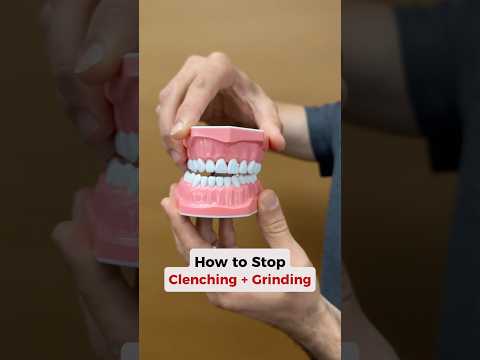
So, you started taking Lexapro, huh? That’s cool. But now you’re dealing with this annoying jaw clenching situation. Ugh, right?
You’re not alone in this—lots of folks experience it. It’s like your jaw just decided to throw a little tantrum. Seriously, so frustrating!
But here’s the thing: will it ever stop? Like, will your jaw chill out over time? Let’s chat about it.
Effective Strategies to Alleviate Bruxism Caused by Lexapro
Bruxism, or teeth grinding, can be a real pain—literally! Especially if it’s linked to medication like Lexapro. If you’ve been dealing with jaw clenching from this antidepressant, you’re not alone. It can happen when your body reacts to certain meds.
First off, let’s talk about what Lexapro is doing. It’s an SSRI, which stands for selective serotonin reuptake inhibitor. Basically, it helps increase the level of serotonin in your brain, which can lift your mood. But some folks notice that it can lead to muscle tension and jaw clenching as side effects.
So how do we tackle this? Here are some practical strategies to ease the bruxism:
- Mouthguards: These are often a go-to solution for teeth grinding. They protect your teeth and help keep your jaw in a more natural position while you sleep.
- Stress Management Techniques: Since stress is a major player in bruxism, try activities like yoga or meditation. Just taking time out for yourself can really help ease that tension.
- Mindfulness Exercises: Being aware of how you hold your jaw during the day could also help. You might catch yourself clenching without even realizing it!
- Warm Compresses: Applying heat to your jaw muscles can relax them. Just grab a warm towel or heating pad for about 20 minutes.
- Caffeine Reduction: Cutting back on coffee or energy drinks may make a difference too since caffeine can heighten anxiety and tension.
- Regular Sleep Schedule: Getting enough rest is crucial. When you’re well-rested, you’re less likely to grind your teeth at night.
Finding what works for you might take time but hang in there! There might be days where it feels tough, but adjusting these habits can bring noticeable relief.
Now, regarding whether the bruxism will stop over time—it’s a bit of mixed news here. For some people, once they adjust to Lexapro or if they find the right dosage with their doctor’s help, the side effects may lessen over time. Others might continue experiencing muscle tension and tightness.
If it’s still bothering you after trying these strategies—or if you’re having trouble managing it—don’t hesitate to chat with your healthcare provider about it. There are other medications or treatments they might suggest that could fit better for you.
Remember, you’re not alone in this struggle! The important part is being proactive in addressing it and making those small changes that add up over time. So take care of yourself; it’s all about finding balance and support along the way!
Understanding Bruxism Induced by SSRIs: Will It Disappear Over Time?
Bruxism, or teeth grinding, is one of those annoying side effects that can come from taking certain medications, like SSRIs. If you’re on a medication like **Lexapro**, you might’ve noticed some jaw clenching or grinding at night. This can feel pretty uncomfortable and raise some questions about whether it’ll stick around or just fade away over time.
First off, let’s get into what causes this. SSRIs (Selective Serotonin Reuptake Inhibitors) work by increasing serotonin levels in your brain. That’s great for lifting mood but can also mess with muscle tension and coordination. So basically, if your jaw muscles are getting overactive because of your meds, you might find yourself grinding your teeth without even realizing it.
Now, to the big question: **will it disappear over time?** Well, it really depends on the person. Some people experience bruxism as a temporary side effect when they start their medication, and as their body gets used to the SSRI, those symptoms may lessen or completely go away. This adjustment period can vary though—sometimes it takes a few weeks; other times, it might linger longer.
Here are some things to keep in mind:
- Duration on Medication: If you’ve been on Lexapro for a short while—like a few weeks—it could just be your body adjusting. But if you’ve been on it for several months with no change in bruxism symptoms, then this might be something you need to talk about with your doctor.
- Dosage Changes: Sometimes simply adjusting the dosage can help reduce side effects like bruxism. If you’re experiencing persistent jaw clenching or grinding after starting treatment, maybe it’s worth mentioning during your next appointment.
- Stress Levels: Stress and anxiety often play a role in bruxism too! If you’re taking Lexapro for stress-related issues, anxiety may still manifest as teeth grinding even if the med is working well otherwise.
- Consult Your Doctor: Always a good idea! If bruxism is affecting your daily life or sleep quality significantly – don’t wait too long before discussing options with your doc.
Here’s the thing: some people find that lifestyle changes help too. Practicing relaxation techniques before bed—like deep breathing or gentle yoga—can lower muscle tension and possibly ease that grinding tendency.
You’re not alone in this! Many folks have reported similar experiences while adjusting to SSRIs like Lexapro. Remember how I mentioned that friend who was always complaining about waking up with sore jaws? Yeah, she figured out hers was tied to her new meds after chatting with her doctor about it.
In summary: *Will bruxism disappear over time?* It might! There’s a fair chance it will settle as you adapt to the medication. Just keep an open line of communication with your healthcare provider so adjustments can be made if needed—and don’t hesitate to explore additional coping strategies to manage those pesky symptoms while you’re at it!
Overcoming Jaw Clenching: Does Lexapro Help? Insights from Reddit Users
So, let’s chat about jaw clenching, shall we? It can be a real pain—literally. Some people deal with it all day and night without even realizing how much tension they’re holding in their jaws. If you’ve been scrolling through Reddit looking for answers, you’re not alone. Many users have mentioned medications like Lexapro in relation to jaw clenching, so let’s break that down a bit.
What Is Jaw Clenching?
Jaw clenching happens when you tighten the muscles in your jaw involuntarily, sometimes without even knowing it. This can lead to headaches, teeth grinding, and, oh boy, major tension in your face and neck. Stress is often a big culprit here. When you’re anxious or overwhelmed, it’s like your body goes into this tight ball. You feel me?
So, How Does Lexapro Fit In?
Lexapro (or escitalopram) is an antidepressant that’s part of the selective serotonin reuptake inhibitor (SSRI) family. Basically, it helps increase serotonin levels in your brain which can improve mood and reduce anxiety over time. And here’s where Reddit comes into the picture! Users have shared mixed experiences about how effective Lexapro has been for their jaw clenching.
- Some users report relief: People have noticed that their anxiety levels drop after being on Lexapro for a while. Less anxiety might mean less clenching! One user said they feel way more relaxed overall and noticed they weren’t grinding their teeth as much.
- Others haven’t noticed much change: Not everyone feels the same effects though. Some folks mentioned that even after being on Lexapro for several weeks or months, the jaw clenching stayed pretty consistent.
- A few shared side effects: Sometimes users experience side effects when starting SSRIs like Lexapro—things like dry mouth or even increased jaw tension at first before things get better.
It’s interesting how individual experiences vary so widely! You might end up feeling awesome relief or find yourself still dealing with that tightness.
Does It Stop Over Time?
For many people taking Lexapro, there seems to be a sense of hope that symptoms—including jaw clenching—might ease as they adapt to the medication. But it doesn’t happen overnight; you know? It often takes time—several weeks—to notice those benefits kick in fully.
Also, while SSRIs like Lexapro can help manage anxiety symptoms generally speaking, they’re not specifically designed to target *jaw clenching*. That means if you’re thinking it’ll magically fix everything just because you started taking it… well, keep your hopes somewhat grounded.
You Can Also Try Other Approaches
While you’re considering medication options like Lexapro and what other users say on Reddit, combining treatments could also be beneficial! Here are some suggestions:
- Therapy: Talking things out with a therapist could help tackle underlying anxieties contributing to your clenching.
- Mouthguards: You might consider getting a custom mouthguard from your dentist if teeth grinding is an issue.
- Meditation/Yoga: Practicing mindfulness can seriously help relax those tight muscles too!
Basically, addressing jaw clenching usually requires a combination of methods rather than solely relying on one thing.
So there you have it! Whether Lexapro will help with your jaw clenching really depends on you and how your body reacts to the medication. Keep communicating with your healthcare provider about what you’re experiencing—that way you can find the best path forward together!
So, you know how sometimes when you start a new medication, it feels like everything changes? With Lexapro, which is an antidepressant, some people notice jaw clenching or tightness in their muscles. It’s kind of a weird side effect, right? You might be thinking: Why is this happening? Will it ever go away?
When I first started taking Lexapro for anxiety, I didn’t expect my jaw to feel like it was in a wrestling match all the time. At first, it was a bit unsettling. I remember sitting at my desk trying to focus on work while my teeth felt like they were locked together. Seriously! It made me more anxious than usual because I couldn’t shake the discomfort.
But here’s the thing: many people do find that these side effects can fade over time. Your body often gets used to the medication after a while. It’s almost like your system is saying, “Hey! Chill out!” Essentially, you might start noticing less tension as your body adjusts.
That said, if it doesn’t get better or if it starts feeling worse, definitely chat with your doctor about it. They might have suggestions or even adjust your dose if necessary. Everyone’s experience with meds can be so different; what works for one person might not work for another.
And just so you know, practicing relaxation techniques can really help too! Sometimes just being aware of how tense you’re holding your jaw can make a difference. Breathing exercises or gentle stretches could ease some of that clenching.
In short, while jaw clenching isn’t fun and can be annoying on Lexapro, most folks find that it tends to mellow out as time goes by. If not—don’t hesitate to reach out for advice; there’s always support around you!