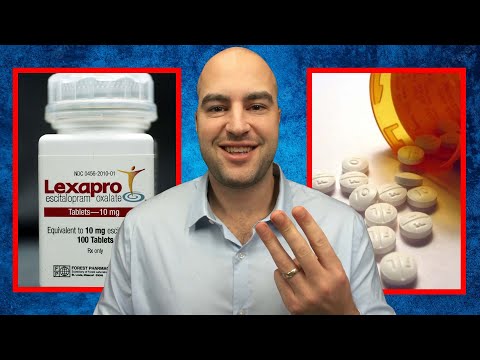
Alright, so here’s the deal. You’re on Lexapro, and suddenly you feel like a human sunbeam? Yeah, that’s a thing.
Sun sensitivity can be one of those unexpected side effects. It might sound weird, but it can totally mess with how you feel mentally, too. Seriously, it’s like your body’s having its own little drama while you’re just trying to chill.
Imagine heading outside on a bright day, and instead of enjoying the sunshine, you’re itching or burning. Not cool, right? But what’s the link? Let’s break it down together!
Exploring the Impact of Sun Exposure on Lexapro Side Effects: What You Need to Know
When you’re on Lexapro, which is an antidepressant, it’s pretty common to think about how different things affect you. One of those things? Sun exposure! It might surprise you, but there are real connections between being in the sun and how you experience Lexapro’s side effects. Let’s break it down a bit.
Firstly, what is Lexapro? Well, it’s an SSRI (Selective Serotonin Reuptake Inhibitor). Basically, it helps boost serotonin levels in your brain, which can really lift your mood. But like any medication, it comes with its own set of side effects—like nausea, dizziness, and even some sun sensitivity.
Sun Sensitivity and Lexapro
Here’s the deal: some people taking Lexapro report feeling more sensitive to the sun. That means you might get sunburned more easily than before or feel uncomfortable when exposed to sunlight. This can be a bit of a downer since being outdoors often improves mood!
So ask yourself—do you enjoy hanging out in the sun? You might have to adjust how much time you’re spending outside if you’re noticing this sensitivity. It’s not that sunshine is bad; it’s just about striking a balance so that enjoying some rays doesn’t ruin your day.
Why Does Sun Sensitivity Happen?
There’s no one-size-fits-all answer here, but what happens is that SSRIs can alter your body’s ability to react to sunlight. This can make your skin more prone to burning or rashes. A friend of mine found this out the hard way when they spent a day at the beach and ended up looking like a lobster! So, yeah—it can be pretty serious if you’re not careful.
What You Can Do
To keep enjoying the outdoors while on Lexapro without turning into a crispy critter:
- Use sunscreen with high SPF.
- Wear protective clothing like hats or long sleeves.
- Avoid peak sunlight hours—those midday rays are intense!
Mental Health and Sunshine
Now here’s where it gets interesting: sunlight isn’t all bad news for mental health! In fact, exposure to sunlight can help improve your mood naturally by releasing endorphins and increasing Vitamin D levels in your body. If you’re feeling down because of winter blahs or cloudy days, getting some sun could actually help lift your spirits!
But if you’re on Lexapro and find yourself feeling off when out in the sun too long…the key is moderation. You want that sunshine boost without paying for it later with increased side effects.
In summary, if you’re taking Lexapro and love soaking up some sun—just be cautious about how much time you’re spending outside without protection. Always listen to your body; if something feels off after being exposed to sunlight while on medication like this, don’t hesitate to reach out to your doc for advice. Balancing mental health with physical well-being is totally possible; sometimes it’s just about making small adjustments!
Understanding Lexapro: Can It Really Cause Brain Fog?
Lexapro, or escitalopram, is an antidepressant that belongs to a class of medications called selective serotonin reuptake inhibitors (SSRIs). SSRIs are often prescribed for conditions like depression and anxiety. While many people find relief from their symptoms, there are some side effects worth discussing. One of those pesky side effects can be brain fog.
Now, brain fog isn’t an official medical term. But it describes that hazy feeling where your mind feels slow, unfocused, or even forgetful. You know the feeling when you walk into a room and forget why you’re there? Yeah, that can be brain fog.
So, can Lexapro actually cause this? Well, yes; it can happen to some folks who take it. Here’s the deal: Lexapro works by increasing serotonin levels in your brain, which helps improve mood and anxiety. But this also means your brain chemistry is being adjusted—and sometimes that adjustment doesn’t feel so great.
Here are some key points about Lexapro and brain fog:
- Timing Matters: Brain fog may occur shortly after starting the medication or after dosage changes. If you’re feeling off right at the beginning of treatment, it might just be part of getting used to the drug.
- Individual Reactions: Not everyone will experience brain fog while on Lexapro. Some people feel totally fine! It really depends on your unique body chemistry.
- Other Factors: Sometimes brain fog isn’t just about the meds—stress levels, sleep quality, or even diet can play a role too.
- Sun Sensitivity: There’s another layer here: some research suggests that people on Lexapro might feel more sensitive to sunlight. This doesn’t directly cause brain fog but can lead to discomfort and distraction which might worsen those cloudy thoughts.
Here’s a relatable thing: Think about someone who’s juggling life—work stressors, family demands—while also trying to get used to a new medication like Lexapro. If they suddenly feel mentally sluggish on top of everything else? That’s not just frustrating; it’s overwhelming.
If you’re dealing with brain fog while taking Lexapro—or any other SSRI—it’s a good idea to talk with your doctor about it. They might suggest adjusting your dose or possibly switching medications altogether if it becomes bothersome.
In short, while Lexapro can help many find their balance mentally and emotionally, it’s crucial to stay aware of how it’s affecting you physically too. Listen to your body and reach out for support when needed!
Exploring the Impact of Lexapro on Dopamine Levels: What You Need to Know
So, let’s talk about Lexapro and how it messes with your brain chemistry, especially when it comes to dopamine. You know, dopamine is like that happy little chemical that gives you the feel-good vibes. It plays a big role in mood regulation, motivation, and overall mental well-being. But here’s the thing: Lexapro mainly targets serotonin, not dopamine.
Lexapro is an SSRI (Selective Serotonin Reuptake Inhibitor). Its primary job is to boost serotonin levels in your brain. More serotonin can help reduce symptoms of anxiety and depression, making you feel a lot better over time. So while Lexapro does wonders for serotonin, its direct effects on dopamine levels are a bit less clear-cut.
Now, you might be wondering if taking Lexapro could mess with your dopamine levels at all. The answer? Kind of! Here’s how it generally works:
- Indirect Effects: While Lexapro is all about increasing serotonin, the rise in serotonin might indirectly influence dopamine pathways.
- Potential Changes: Some people might experience changes in their mood or motivation due to this kind of interaction.
- Sensitivity: If you’re sensitive to changes in neurotransmitter levels, you could notice some effects on your energy or happiness.
Let me share a quick story here. A friend of mine started taking Lexapro after struggling with major anxiety issues. At first, she felt more balanced and less overwhelmed by her worries. But after a few weeks, she mentioned feeling kind of «meh» about things she usually loved—like her favorite shows or going out with friends. It was as if the joy had dulled down a bit—not entirely gone but definitely muted.
That can happen because while Lexapro raises serotonin to help lift depression and anxiety symptoms, it doesn’t guarantee that everything else will feel super exciting too. You see? Sometimes medications can have those unexpected side effects.
On top of all this excitement around neurotransmitters like serotonin and dopamine, some folks notice sun sensitivity while on Lexapro. I know it sounds odd! But certain medications can make your skin more susceptible to sunlight which might lead to irritations or an increased risk of sunburns. If you’re someone who loves spending time outdoors, this could kinda put a damper on your vibe during summer months.
So what’s the takeaway from all this? If you’re considering Lexapro or you’re already on it and feeling different than usual—including maybe feeling less motivated or joyful—it’s totally worth mentioning these experiences to your doctor or therapist. They’re there to help you navigate through everything related to your mental health so you can find the right balance.
Understanding how medication impacts our brains isn’t always straightforward—there’s no one-size-fits-all answer here—and what works for one person might not work for another. Keeping communication open with your healthcare provider will always lead to better outcomes for your mental wellness journey!
You know, when you start taking something like Lexapro, it can feel like a leap into the unknown. It’s supposed to help with anxiety and depression, right? But then there’s this other stuff you might not expect—like sun sensitivity. Seriously, who wants to deal with that on top of everything else?
I once had a friend who was on Lexapro. She talked about how much better she felt but then mentioned that she got these weird rashes whenever she spent too much time in the sun. At first, I thought maybe it was just a coincidence or some random skin issue. But after doing some digging, I learned that medications can totally mess with your skin’s reaction to sunlight.
So here’s the thing: birth control pills or other antibiotics also come with warnings about sun sensitivity but not all meds do. It’s like every body reacts differently to drugs. With Lexapro, though it’s not super common, some folks experience heightened sensitivity. That can mean more sunburns or irritations—which is a total bummer if you’re trying to enjoy a warm day outside.
But let’s pause for a second—how does this connect to mental health? Well, for people dealing with anxiety or depression, enjoying life is one of the main goals of treatment. If medication helps lift those dark clouds, but now you’re worried about rashes from being outside? That can add stress and another layer of frustration. You might find yourself avoiding outdoor activities just because you’re scared of what might happen if you soak up too much sun.
To make matters worse, isolation is often one aspect of mental health struggles. And if part of your recovery journey includes getting outside and soaking in the vitamin D from the sun—only to be hit by an allergic reaction? That kind of defeats the purpose.
So if you’re on Lexapro and notice any odd skin reactions after hanging out in sunny spots, definitely have that chat with your doc! They might suggest wearing sunscreen or even changing medications if it becomes a big issue. The goal is for you to feel good mentally and physically.
At the end of the day, managing mental health is all about finding balance—and making sure that every step forward isn’t followed by an unexpected hurdle. Just remember everyone has different experiences with meds and it’s okay to seek out support when things get tricky!