You know how life can sometimes feel like a wild rollercoaster? One minute you’re soaring high, and the next, you’re stuck upside down.
Well, that’s where life coaches and therapists come in. They’re kinda like your personal guides through this crazy ride.
It’s all about finding that sweet spot between chaos and calm.
Ever thought about how different perspectives can shift everything?
Let’s chat about how these folks help you navigate life’s twists and turns.
Navigating Mental Wellness: Can You Benefit from Both a Life Coach and a Therapist?
So, you’re wondering if you can benefit from both a life coach and a therapist? It’s a valid question, and honestly, it kind of makes sense to explore how they can each fit into your journey toward mental wellness. Let’s break it down.
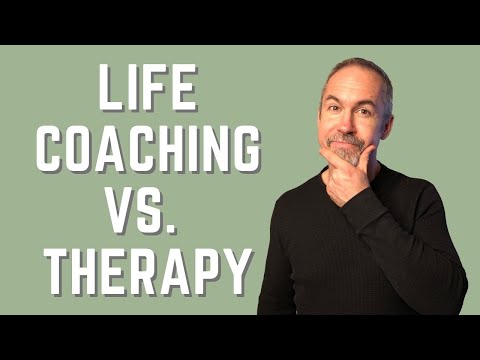
First off, the main thing to know is that **life coaches** and **therapists** serve different purposes. Life coaches focus on the future and helping you set goals. They’re more about taking action. On the other hand, therapists dig into your past and emotional well-being, addressing mental health issues like anxiety or depression. So, there’s a distinct difference in their approach.
Here are some key points to consider:
Now let’s get a bit personal here. Imagine someone named Jenna who was stuck in her job and feeling lost in life after going through a rough breakup. She decided to see a therapist first because she needed help processing her feelings of sadness and rejection. After a few months of therapy, she starts feeling better emotionally but realizes she wants more direction for her future.
That’s when she looks into working with a life coach! The coach helps her clarify what success means for her, maybe even guiding her towards starting her own business related to something she loves—like photography! So you see how Jenna used both options at different times for different needs?
Combining Both Approaches:
In some cases, having both could be really beneficial; just make sure they’re complementing each other rather than creating conflict in your recovery process.
It’s also crucial that if you choose this dual approach, communication is open between your coach and therapist (if they’re willing). This way they can coordinate their efforts towards your wellness goal without crossing any boundaries.
To wrap things up: yes, many people find it helpful to have both a life coach and a therapist as long as they’re aware of the distinct differences between the two roles. The ultimate aim is to create balance in your life while addressing past wounds and setting those exciting new goals for the future!
Finding balance in life can feel like chasing a butterfly. You know it’s out there, but catching it? That’s another story. Life throws us all kinds of curveballs—stress from work, relationship ups and downs, or just the daily grind can really shake things up. Sometimes, you end up feeling lost in all that chaos and need a little guidance to help steer the ship back on course.
That’s where life coaches and therapists come in—each wearing their own unique hat. I remember this one time when a friend of mine was feeling overwhelmed with her job and family responsibilities. She just felt like she was constantly juggling too much and dropping balls left and right. That stress turned into frustration, which only made her more drained.
She decided to talk to a therapist who helped her unpack those feelings—like pulling off layers of an onion. The therapist provided that safe space to vent, cry, even laugh sometimes. They explored deeper issues that might’ve been fueling her anxiety. It wasn’t about quick fixes; it was about understanding herself better so she could find the balance she desperately needed.
On the flip side, there are life coaches who focus more on the “let’s get moving” aspect. They help you set goals and create actionable steps toward achieving them. Like another friend of mine who wanted to switch careers but felt stuck in fear of failing. She started working with a coach who guided her through envisioning what success looked like for her and then mapping out paths to get there.
Both approaches have their own merits—therapists dig into emotions and past experiences while coaches often propel you toward concrete goals. I think what makes them both valuable is how they create accountability, whether through emotional check-ins or goal-setting strategies.
It’s kind of like having different tools for different jobs; sometimes you need a hammer, sometimes you need a wrench! Finding balance often requires some trial and error too; what works for one person might not work for another.
So whether you’re chatting with a therapist about your feelings or strategizing with a coach about your ambitions, it’s ultimately about finding what resonates with *you*. It’s great when it clicks because suddenly that butterfly isn’t so elusive anymore—it feels more like you’re guiding it gently rather than trying to catch it in sheer panic!