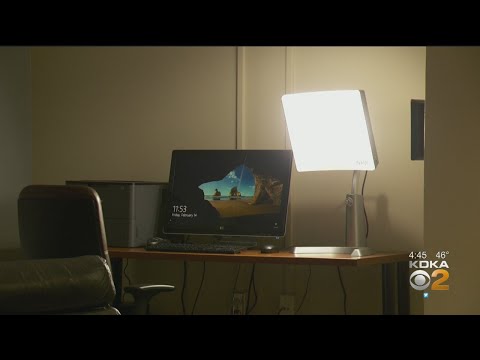
You know how some winters just seem to drag on? The days feel darker, and your mood might take a dip along with the sunshine. It’s like you’re stuck in a never-ending gray cloud, right?
Well, that’s where seasonal depression comes in. It’s a real thing, and it affects tons of people when those sunny days start to fade away.
But hey, there’s good news! There’s this cool thing called light therapy that can really help brighten up your mood. Seriously! Just sitting in front of a special light for a bit each day can make a huge difference.
So let’s chat about how it works and why it might be just what you need to chase away those winter blues!
Choosing the Right Color Light for Seasonal Affective Disorder: A Guide to Brightening Your Mood
Bright light therapy can seriously help if you’re dealing with Seasonal Affective Disorder (SAD). Basically, SAD is when you feel down during the winter months, and it’s thought to be linked to reduced sunlight exposure. Light therapy mimics sunlight, which can help boost your mood. So, choosing the right color light is a big deal here.
When it comes to color temperature, cool white light (around 5000K to 6500K) is often recommended. This mimics natural daylight pretty well. Some people think warmer lights feel cozier—like candlelight—but cool white has been shown to have a more uplifting effect on mood.
- Intensity matters: Aim for a light that emits at least 10,000 lux. That’s a measurement of brightness you get from being outside on a sunny day.
- Time of use: You’ll want to spend around 20-30 minutes in front of your light box each morning. This helps reset your body’s internal clock.
- Distance: Keep the light box about 16-24 inches from your face. You don’t have to stare at it directly—just being near it works!
- Consistency is key: Use it daily for best results. It takes time for your body and mind to respond.
It’s important to remember that not everyone reacts the same way to different colors or intensities of light. For example, some folks might find that they feel better with a specific type of hue—or even with colored lights like blue or green—but cool white is usually the safe bet.
Speaking from experience, my friend Jenna struggles with SAD every winter. She started using a bright light box last year and chose one that emitted cool white light at 10,000 lux. Within weeks, she noticed she was less irritable and felt an increase in her energy levels! It was kind of amazing how just sitting in front of this box each morning made such a difference.
On that note, if you’re thinking about venturing into this territory for yourself, make sure you consult with a healthcare provider first! They can help guide you through finding what works best for you since everyone’s needs are different.
In summary: consider cool white lights around 5000K–6500K, focus on high intensity at 10,000 lux or more, keep it close enough but not too close, use it consistently every day—and most importantly? Pay attention to how you feel as you experiment! That little change could help brighten those gray days ahead.
Understanding Light Therapy: How Long Does It Take to Relieve Seasonal Depression?
Light therapy is a pretty cool method for tackling seasonal depression, also known as Seasonal Affective Disorder (SAD). When those winter months roll in, all that gray can really bring you down. So, light therapy comes into play as a way to boost your mood with some bright, artificial sunlight.
Now, you might be wondering how long it actually takes to feel better using this method. Well, it’s not an instant fix, but it can really help. Many people start to notice improvements after about a week or two of consistent use. But hey, don’t get discouraged if you don’t see changes right away.
Typically, the recommended duration is about **20 to 30 minutes** each day in front of a light box that emits 10,000 lux of bright light. It should be used in the morning for maximum effectiveness because that helps mimic the natural light that we miss out on during shorter days.
Consistency is key. If you make light therapy a part of your daily routine—like having your morning coffee while soaking up some artificial rays—you’re more likely to see results sooner. Imagine sitting there with your cup of joe and feeling the warmth of the light; it feels nice and cozy!
Keep in mind that everyone’s different, though. Some might feel a little lift right away while others may take longer than two weeks. It’s based on individual differences like how severe your SAD symptoms are and what else is going on in your life.
Also worth mentioning is how important quality matters when it comes to these light boxes—make sure they’re specifically designed for treating SAD and filter out harmful UV rays. You don’t want sunburn from something that’s supposed to help!
As for side effects? They’re usually pretty mild; like maybe some headaches or eye strain if you’re staring too long without breaks. So listening to your body and adjusting usage time might be necessary.
Over time—even if it’s just after several sessions—you might find yourself feeling more energized and ready to take on the day without that heavy cloud hanging over you.
In short:
- Use the light box every day for about 20-30 minutes.
- Morning use is ideal.
- Expect improvements within 1-2 weeks.
- Quality matters in choosing a light box!
- Watch out for mild side effects but stay tuned into how you’re feeling.
So yeah—it can take time and patience with light therapy, but many folks find it really helps brighten up those darker months!
Exploring the Effects of Red Light Therapy on Mood Enhancement
Red light therapy, or RLT for short, is kinda interesting when it comes to mood enhancement. You know how things can feel a bit heavier when the days are shorter and the sunlight is barely peeking through? That’s where this therapy comes into play, especially around those gloomy winter months known for dragging people down.
How does it work? Basically, RLT uses low wavelengths of red light to penetrate your skin. This light can stimulate your cells, which might lead to a boost in energy. Some people believe that this energy kick helps improve mood because it’s like giving your body a little nudge to be more active and engaged.
When people talk about seasonal depression, or Seasonal Affective Disorder (SAD), they often mention how the lack of sunlight affects their happiness levels. The thing is, our bodies need exposure to natural light for many processes, including the production of serotonin—a key player in regulating mood. So, when you swap out gloomy skies with some bright red lights, you might just shake off those winter blues.
Speaking of which, there’s been some research hinting that RLT can help with mood disorders. In one study, participants who used red light therapy reported feeling less anxious and more relaxed after treatment sessions. It’s like giving your mental health a little sunshine boost—even if it’s artificial.
Now let’s get into some specifics:
- Improved Energy Levels: Many users say they feel more energized after sessions.
- Better Sleep: RLT might help regulate sleep by improving melatonin levels.
- Mood Regulation: Some studies suggest it can lift depressive symptoms.
- Reduced Anxiety: Users often report feeling calmer after a few treatments.
Of course, while these results sound promising, not everyone will experience the same effects. Like any therapy or treatment option out there—be it medication or counseling—it doesn’t work for everyone the same way.
So maybe you’ve tried traditional light therapy lamps before? If so, you’ll notice that RLT feels different. Traditional light therapy usually involves exposure to very bright white lights that mimic daylight; meanwhile, red light focuses on those lower wavelengths which are thought to be less harsh and easier on the eyes.
If you’re ever curious about trying it out yourself—or even if it’s just something you’re considering—make sure to chat with a healthcare professional first. They can help you navigate any concerns you might have! While brightening moods with something as simple as red light sounds cool and all, it’s always best to approach new therapies with a bit of caution.
In short: using red light therapy could be one way among many to help brighten up your mood during those darker months. Give it some thought if you’re seeking alternatives—you never know what might work for you!
You know those gray days when the sky seems to be a never-ending blanket of gloom? Yeah, they can really bring you down. I once had a friend who struggled big time with seasonal depression. Every winter, when the days got shorter and the sunlight was harder to find, she felt like she was walking through molasses. Everything was just… dull. It affected her energy, her motivation, and even her relationships.
That’s where light therapy comes in. Imagine this: you sit in front of a specially designed light box that mimics natural sunlight. It sounds almost too simple, right? But, surprisingly enough, it can actually help boost your mood! The thing is, during those dark months, our bodies might not get enough natural light. This can throw off our internal clock and mess with our mood-regulating hormones.
Light therapy works by tricking your brain into thinking it’s getting more sunlight than it really is. By using that light box for about 20 to 30 minutes each day—especially in the morning—you can start feeling more energized and less like hibernating under a pile of blankets!
Of course, it’s not some magic cure-all. It’s not gonna solve everything overnight or make your life perfect again. But for many people dealing with seasonal affective disorder (that’s the fancy name for seasonal depression), it can be a game changer. Honestly though? It’s just nice to feel even a little bit brighter when everything else feels so heavy.
I remember my friend giving it a shot. At first, she was skeptical—who wouldn’t be? But as weeks went by, she started feeling more like herself again and even picked up some hobbies she hadn’t touched in months. It wasn’t all sunshine and rainbows immediately, but there was hope where before there seemed to be none.
So if you or someone you know struggles with this kind of thing during those long winter months, maybe it’s worth looking into light therapy. Just having that bit of brightness in your day could make all the difference in how you feel overall. You never know—it might turn out to be what gets you through until spring finally rolls around!