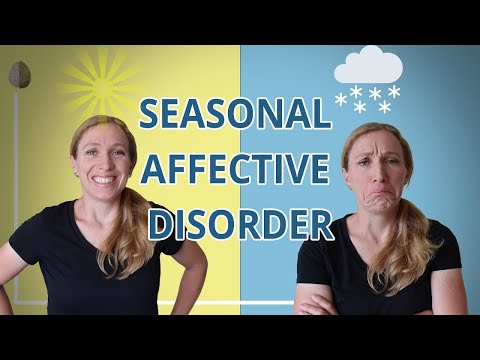
You know that feeling when winter drags on and on? The days are dark, the weather’s cold, and you can barely scrape together the energy to get out of bed. Ugh, right?
Well, if you’ve ever felt this way, you might be dealing with seasonal depression. And let me tell you, it can be a total downer. But here’s a little something that might help—light therapy.
Seriously, it’s like giving your mood a little sunlight boost. It’s not some miracle cure, but it works for a lot of people. It sounds simple enough—just sitting in front of a special light for a bit each day. But the benefits? They can really surprise you.
So, if you’re curious about how light therapy can shine some brightness in your winter blahs, keep reading! You might find exactly what you need to brighten your days.
Understanding the Timeline: How Long Does Light Therapy Take to Alleviate Seasonal Depression?
Alright, let’s chat about light therapy and how long it really takes to feel better when you’re dealing with seasonal depression. You know, that feeling when the days get shorter and your mood kinda plummets? Light therapy can be a real game-changer for many people.
First off, light therapy involves sitting in front of a special lamp that mimics natural sunlight. It’s not just any light, though; it’s designed to filter out UV rays and provide the right intensity. The standard recommendation is to use a light box that provides at least 10,000 lux of brightness.
Now, about the timeline: it usually doesn’t work overnight. Most folks start noticing changes within a week or two of regular use. Like, if you’re consistent—let’s say around 20 to 30 minutes every morning—you might feel those gloomy clouds starting to lift.
But here’s the kicker: some people respond even quicker! For others, it might take longer. If you’ve been feeling especially down or if you’re super sensitive to changes in mood, expect to give it some time—maybe up to four weeks—to see significant improvements.
So what can you expect during this time? Well:
- Initial Changes: The first week might bring slight improvements in energy levels or sleep quality.
- Mood Improvements: After two weeks, many report feeling less anxious or irritable.
- Peak Benefits: Usually seen around four weeks in as depressive symptoms continue fading.
You know how moods can be a rollercoaster? Some days are better than others even when you’re doing everything right. It’s totally normal!
Of course, consistency is key here; missing sessions can slow down your progress. Think of it like exercise—a few skipped workouts aren’t gonna break your routine entirely but will definitely put a damper on those results.
Another thing worth mentioning is everyone’s different. What works wonders for one person might not have the same effects on another. You may need to experiment with duration and distance from the light box to find what feels best.
It’s also smart to talk with your healthcare provider about incorporating other treatments like therapy or medication alongside light therapy if needed. Sometimes a combo approach works best for lifting that seasonal funk.
In summary, while some people feel better relatively fast with light therapy—like within just a couple of weeks—it can take longer for others depending on numerous factors like personal history and severity of symptoms. Just remember: patience is part of the process!
Unlocking Mood Boost: How Light Therapy Can Alleviate Depression and Anxiety
Light therapy might sound a bit like something out of a sci-fi movie, but it’s actually a real thing that many folks find super helpful, especially when it comes to managing depression and anxiety. If you’re feeling low during those gray winter months, or if you just can’t shake off those feelings of sadness, light therapy could be worth considering.
So, what’s the deal with light therapy? Basically, it involves exposing yourself to bright light that mimics natural sunlight. This is particularly beneficial if you suffer from Seasonal Affective Disorder (SAD), which is a type of depression that usually kicks in when the days get shorter. You know how sometimes you feel like a plant desperately needing sunlight? That’s because your body craves that natural light.
Here’s why light therapy can work wonders:
But hey, not all lights are created equal! You need to use special light boxes designed for this purpose. These are way brighter than standard bulbs but filter out harmful UV rays—so you get the good stuff without the sunburn.
You might be asking—does it really work? Well, studies have shown that around 60-80% of people with SAD experience relief from their symptoms after consistent use of light therapy. And while it doesn’t completely get rid of symptoms for everyone, many find it makes dealing with life way easier.
Let me share an example: my friend Jen always struggled through winter. Dark days made her feel like she was trudging through mud 24/7. She decided to try out light therapy during one particularly gloomy season. She’d sit next to her bright box while sipping coffee each morning before work. Slowly but surely, she started noticing more energy and less heaviness in her heart as weeks went by—it was like flipping a switch!
And don’t forget, while this therapy can be fantastic for some folks, it’s not a one-size-fits-all solution—everyone’s journey is different! It’s super important to chat with your doctor or therapist before diving into anything new.
In summary, light therapy could potentially shine some brightness into those dark moments you may experience due to depression or anxiety—especially during those long winters when sunlight feels scarce. With just a little commitment each day and some guidance from professionals, you might find yourself feeling lighter and more positive as the days go by!
Light Therapy for Seasonal Depression: How It Works and Why It Helps
Seasonal depression, or Seasonal Affective Disorder (SAD), is like that unwelcome guest who shows up every winter, leaving you feeling low, tired, and just not yourself. You know? It’s that dip in mood that seems to hit when the days get shorter and the nights feel endless. That’s where light therapy comes into play.
So, what is light therapy? Well, it’s a treatment that uses bright light to mimic sunlight. The idea is pretty simple: when you expose yourself to intense light, it can help regulate your body’s internal clock and improve your mood. It’s usually done with a special light box that delivers 10,000 lux of light — way brighter than regular indoor lighting.
Now, why does this help? Here are some reasons:
Let’s take a quick step back for a moment. Imagine waking up one winter morning feeling heavy as a blanket of snow but then sitting in front of this bright box for about 20 to 30 minutes each day. Over time, many folks report feeling less sluggish and more alive. Seriously—it sounds simple but it really can make a difference.
You might be wondering about the timing. Usually, it’s best to do this in the morning for maximum effectiveness because it helps set your body’s rhythms for the day ahead. But hey—everyone’s different! You’ll want to find what works for you.
And let’s not forget about side effects; they’re generally mild but worth knowing about. Some people experience headaches or eye strain at first as their body adjusts to the bright light. It usually subsides after continued use.
To wrap things up (not like we’re finishing a school report or anything), light therapy isn’t some quick fix but rather part of a broader strategy alongside things like counseling or medication if needed. It’s definitely worth considering if you relate to these winter blues because who wants those pesky feelings hanging around any longer than they have to?
In short—light therapy taps into our biological love for sunshine to lift the shadows off your emotional state during those chilly months. So if you’re feeling down when it gets dark too soon, maybe giving this a shot could brighten your winter days!
You know, when the days get shorter and the weather turns gloomy, a lot of people start feeling kind of… well, down. It’s like the sun disappears, and suddenly that pep in your step just fades away. I’ve seen friends struggle through those long winter months, fighting against this cloud of darkness called Seasonal Affective Disorder (SAD). It’s tough; I mean, you wake up and it feels like night even though it’s morning!
A friend of mine once told me how she felt completely drained during the winter. She’d wake up in this dim light, shuffle through her day like a zombie, and then collapse back into bed early. One day, she decided to try light therapy after reading about it online. At first, she was skeptical—like what’s sitting in front of a lamp going to do? But seriously, after just a couple of weeks using a light box every morning for about 20-30 minutes while sipping her coffee or scrolling through her phone, she said it was like someone flipped a switch. The darkness didn’t feel so heavy anymore.
The science behind it is pretty cool too. Basically, our bodies are wired to react to sunlight. Exposure to bright light can help adjust your circadian rhythm—this fancy term for your internal clock—and boost serotonin levels in the brain. It’s kind of amazing when you think about how something so simple can have such a big impact on mood.
And it’s not just my friend experiencing this change! More studies are backing up how effective light therapy really is for folks dealing with SAD or similar mood issues. People often find they sleep better too because they’re resetting their body clocks—a win-win.
Of course, it doesn’t magically erase all feelings of sadness or anxiety; it’s part of a bigger toolkit that includes self-care and sometimes therapy or medication if needed. But for many who struggle with seasonal blues? Well, light therapy can feel like that first ray of sunshine breaking through the clouds on a dreary day. So if you’re feeling those winter blues creeping in this year, maybe consider reaching for some bright light before it gets too dreary out there!