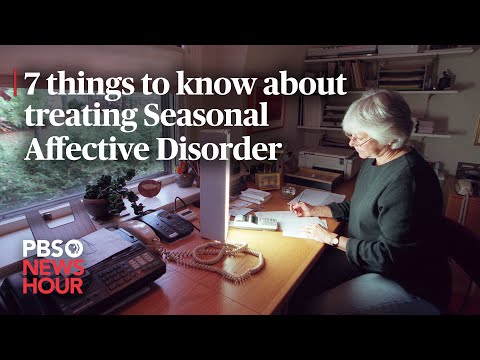
You know those gray, gloomy days when you just can’t shake off the heaviness? Yeah, that’s a mood killer. For a lot of us, especially during winter, it can feel like the sun’s gone on a permanent vacation.
That’s where Seasonal Affective Disorder, or SAD for short, comes into play. It’s not just the seasonal blues; it can really take a toll on how you feel and function daily. But there’s a cool trick people are using to fight back: light therapy.
Imagine sitting in front of this bright box that mimics natural sunlight. Sounds simple, right? But trust me—it can work wonders for lifting your spirits and boosting your energy levels. So let’s chat about what light therapy is all about and how it might help brighten those darker days.
Exploring the Effectiveness of SAD Light Therapy: Does It Really Work?
Seasonal Affective Disorder, or SAD, can really take a toll on your mood and energy levels, particularly during those long winter months when sunlight seems to disappear. Many people feel low and unmotivated when the days get shorter. That’s where light therapy comes into play. So, does it actually work? Let’s break it down.
First off, what exactly is light therapy? Well, it’s a treatment that involves sitting by a special light box that mimics natural sunlight. You typically do this for about 20 to 30 minutes each day. The goal is to make up for the lack of sunlight we often experience in winter.
So why does this even matter? Sunlight has a major impact on our mood. It influences the production of serotonin, a key chemical in our brains that helps regulate feelings of happiness. When the sun goes away, our bodies can fall short on this important feel-good hormone. Light therapy aims to boost serotonin levels and help ease those pesky SAD symptoms.
Now onto the effectiveness part! Research shows that around 50-80% of people with SAD report an improvement in their symptoms after using light therapy. That’s pretty impressive if you ask me! Some folks notice changes within just a few days, while others might take a week or two to really feel the effects.
But not everything is sunshine and rainbows. Light therapy isn’t for everyone. Some people might experience side effects like headaches or eyestrain, especially if they have certain conditions like bipolar disorder or sensitivity to light. It’s always best to chat with a healthcare professional before diving into any new treatment.
And here’s something cool – timing matters! Using light boxes earlier in the morning tends to be more effective than later in the day. This can help reset your body clock and enhance your sleep-wake cycle.
Also worth mentioning is that combining light therapy with other treatments can be super helpful too! For instance, pairing it with cognitive behavioral therapy (CBT) has shown great results for many people dealing with SAD.
You know what else is fascinating? There’s no one-size-fits-all approach here; you may need to experiment a bit to find what works best for you—whether that’s different durations of exposure or varying distances from the light box.
In summary, light therapy can be quite effective for managing Seasonal Affective Disorder for many people, but it’s not miracle treatment for everyone. It’s worth considering as part of your overall strategy if you’re feeling down during those gloomy months. Just remember: talking with someone who knows their stuff about mental health can really help you figure out the best path forward!
Choosing the Right LED Light Colors to Boost Your Mood When You’re Feeling SAD
When the days get shorter and the skies turn gray, it’s easy to feel a little low. If you’ve ever found yourself dragging your feet through the winter months, you might be dealing with **Seasonal Affective Disorder (SAD)**. It’s that funky feeling we get when daylight is scarce. One of the cool ways to tackle this is through light therapy. Seriously, it can really help!
So, what about those LED light colors? Well, let’s break it down:
Bright White Light: This is the classic choice for light therapy. You want something that mimics natural sunlight; think bright and vibrant. It’s like getting that warm, sunny glow even when it’s cold outside. It can really help boost your mood!
Blue Light: Blue wavelengths are pretty effective too. They can elevate your mood and make you feel more awake—like a little burst of energy! But be careful with timing; exposure to blue light at night might mess with your sleep.
Warm Yellow Light: This one’s super comforting, like a cozy evening by the fireplace. Yellow light can create a sense of warmth and calmness in your space, which could help ease anxiety and lift spirits without being too harsh.
Now let’s talk about some practical stuff:
- Timing Matters: Use these lights in the morning for best results. It’s all about tricking your brain into thinking it’s sunny outside!
- Duration is Key: Aim for around 20-30 minutes a day in front of your LED lights.
- Create a Routine: Consistency can make all the difference. Find a time that works for you and stick to it!
Imagine this: if you’ve ever felt grumpy on a rainy Monday morning, just picture sitting in front of one of those lights while sipping coffee or reading a book—the vibe changes completely. It’s like soaking up sunshine without leaving home.
And remember that everyone reacts differently to various colors and types of light; what lifts one person’s mood might not do much for another. So don’t hesitate to experiment a little!
But here’s something super important—if SAD is hitting hard, talking to someone knowledgeable could make things so much easier. A therapist or doctor can really guide you through it all.
In short, choose LED colors wisely based on how you want to feel—bright white for energy, blue for clarity, or warm yellow for comfort—and embrace those rays during the gloomy days!
Choosing the Best Light Bulb for Alleviating Seasonal Affective Disorder (SAD)
Choosing the best light bulb for alleviating Seasonal Affective Disorder (SAD) can feel a bit overwhelming. But knowing some basics can really help you make the right choice. Light therapy is a common method to manage this condition, and it’s all about mimicking sunlight. You know how we feel when the sun hits our skin? That’s basically what we want to recreate.
First off, let’s talk about brightness. The lux level is super important here. You’re looking for a light that provides at least 10,000 lux. That’s the standard intensity used in most studies showing effectiveness for SAD. If it’s too dim, it might not do the trick.
Another thing to consider is the wavelength of light. You want full-spectrum bulbs that cover more of the visible spectrum—these bulbs produce light similar to natural sunlight. So, you’re gonna want something like daylight bulbs with a color temperature between 5000K and 6500K. This helps in mimicking those sunny days we all crave.
Don’t forget about the size and design! Ideally, your light should be something you can use comfortably while doing other tasks—like reading or working. There are various designs out there: from desk lamps to larger models meant for sitting in front of them. Just think about where you’d use it most.
Also, timings are crucial when using these lights. Morning sessions are often recommended because it helps reset your internal clock and boosts your mood for the day ahead. Try starting with around 20-30 minutes a day, gradually increasing if needed.
But hey, it’s not just about brightness and design; safety is key too! Look for bulbs that have been tested and certified by relevant authorities like the FDA or under standards like CE or UL marking. This ensures that they’re safe to use and won’t do more harm than good.
And let’s address one more thing—eye safety. Some people might be sensitive to bright lights or may have existing eye conditions that could make this tricky. A good tip? Use diffused lighting or opt for filters if you find direct light uncomfortable.
So there you have it! Choosing a bulb involves thinking about brightness levels, wavelength, design, timing of use, safety certifications, and eye comfort. All these factors work together to create an uplifting environment during those darker months when SAD can hit hard!
So, light therapy, huh? It’s kind of a buzzword when we talk about Seasonal Affective Disorder, or SAD for short. Basically, it’s a type of depression that hits people mostly during the darker months. You know how winter feels? All gray and gloomy? Yeah, that vibe can really drag you down if you’re prone to these feelings.
I remember this time when my friend Lisa was dealing with SAD. She’d always loved the summer sun—like, seriously thrived in it. But once the leaves started falling, it was like someone flipped a switch; she became quieter and less motivated. It was tough to watch because that spark in her eyes just… dimmed.
Then one day, she mentioned trying light therapy. At first, I was skeptical—like how could sitting in front of a bright box change anything? But she explained it’s all about mimicking natural sunlight. The idea is to sit by this lightbox for about 20-30 minutes daily, and it gives your brain the nudge it needs to boost those feel-good hormones.
And guess what? It actually worked for her! After a few weeks of consistent sessions, Lisa seemed more like her old self again—smiling more and even cracking jokes that had me laughing till my stomach hurt.
The science behind it makes sense too. So when you’re exposed to bright light (especially from those special lamps designed for this purpose), your body starts producing more serotonin and helps regulate melatonin levels. That means better mood and sleep—not too shabby!
But hey, it’s no magic cure-all. Some folks might need meds or therapy alongside this treatment. Light therapy can be great as part of a whole plan rather than being the only solution.
If you’re feeling down in winter’s grasp or just can’t shake off that heaviness when sunshine seems scarce, give light therapy a thought! Just remember: check with your doc first before diving in; they’ll help you figure out what’s best for you.
Anyway, it’s all about finding what lifts your spirits during those long winter days—whether that’s exposure to bright lights or cozying up with friends over hot cocoa!