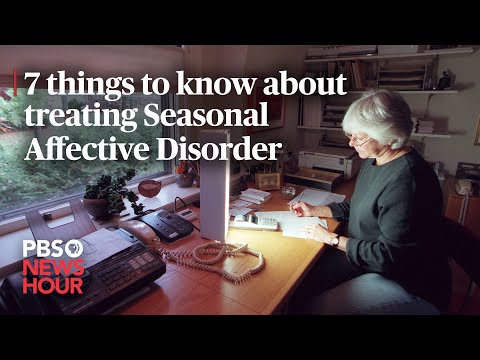
You know that feeling when winter drags on, and all you wanna do is hibernate? Yeah, it’s real. For some people, those chilly months come with a serious mood dip. It’s like the sun just vanishes and takes your happiness with it.
That’s where Seasonal Affective Disorder, or SAD for short, comes in. It messes with your mood, energy, and motivation. Yikes, right? But here’s the cool part—there’s a method that might help: light therapy!
Imagine soaking in bright light without getting a sunburn or needing sunscreen. Sounds nice, huh? So let’s chat about how this odd little therapy can brighten up those dark days.
Top Light Therapy Solutions for Overcoming Seasonal Affective Disorder
Seasonal Affective Disorder, often shortened to SAD, can feel like a dark cloud hanging over you, especially in those gloomy winter months. You might notice changes in mood, energy levels, and even sleep patterns. This is where light therapy comes into play. Basically, it’s like giving your brain a little boost of sunshine when natural light is hard to come by.
What is Light Therapy? Well, think of it as sitting in front of a special light box that mimics the sun’s rays. It’s designed to help reset your internal clock and can actually make you feel brighter and more awake. Research suggests that this form of treatment can be effective for many people dealing with SAD.
So, how does it work? When your eyes are exposed to this bright light—usually about 10 times brighter than standard indoor lighting—it tells your brain to produce less melatonin (the hormone that makes you sleepy) and more serotonin (the mood-boosting neurotransmitter). Sounds straightforward enough, right?
- Timing Matters: One key element is consistency. Experts suggest using the light box for about 20 to 30 minutes each morning. Starting your day with this bright blast may help set the tone for how you feel throughout the rest of your day.
- Light Intensity: Not all light boxes are created equal. Aim for one that provides at least 10,000 lux of brightness. This measurement indicates how much light the box emits; higher lux means greater effectiveness.
- Positioning: Keep the box at an angle—about 16 to 24 inches away from you—while still being comfortable enough to read or do some work during therapy session.
- Lamp Features: Some lamps come with features like adjustable brightness or built-in timers which can be super handy for making it easier to incorporate into your routine.
You might be thinking about side effects too. Good news here: they’re generally mild compared to some medications! You could experience headaches or eyestrain if you’re not used to such bright light, but these usually go away after a short while.
Anecdotally speaking, I remember talking with a friend who struggled with SAD for years. She tried everything from supplements to yoga but found no relief until she got her hands on a bright light box. Just having that little slice of sunshine every morning changed her outlook completely! It’s amazing what a bit of artificial sunlight can do for your mood.
If you’re considering diving into light therapy, it might also be good to chat with someone like a therapist or doctor first. They’ll help you figure out if it’s right for you and guide on any specific product recommendations based on where you’re at emotionally and mentally.
The bottom line? If winter feels like dragging through molasses, maybe give light therapy a shot! There’s no guarantee it’ll work for everyone, but hey—it could seriously brighten up those darker days ahead!
Exploring Light Therapy: Effective Research Insights for Managing Seasonal Affective Disorder
Seasonal Affective Disorder, or SAD, is a type of depression that usually hits during the winter months. The days get shorter, the sun often disappears, and for many of us, that can mean feeling low. So what do we do about it? Well, one option that’s been getting some buzz is **light therapy**.
What is Light Therapy? It’s pretty simple. It involves sitting in front of a special light box that mimics natural sunlight. This box emits bright light (but not UV rays) and is typically used in the morning for around 20 to 30 minutes. The idea here is to trick your brain into thinking it’s getting more exposure to sunlight.
But how does it work? Basically, our bodies have an internal clock—called the circadian rhythm—that helps manage sleep-wake cycles and mood. When we don’t get enough light during those dark winter months, this rhythm can be thrown off balance. So when you use light therapy, it *can* help realign your body’s clock and boost your mood.
Now let’s get into some research insights. Studies show that **light therapy** can be effective for many people dealing with SAD symptoms. For instance:
- One study found that almost 70% of participants felt better after using a light box daily for a few weeks.
- Another showed significant improvements in mood and quality of life compared to those who didn’t use the therapy at all.
That’s promising! But hey, not every solution works for everyone. Some people might find light therapy beneficial while others don’t feel much change.
It’s good to know there are some guidelines about using light therapy effectively too:
- The light intensity matters; a higher lux rating—around 10,000 lux—is generally recommended.
- Timing is key; using it in the morning can be more helpful than later in the day.
Also, if you’re considering giving this a try, talk to a healthcare provider first. They’ll help make sure this approach fits into your overall mental health plan.
And here’s something to keep in mind: it’s not just about the lights themselves but integrating this into a broader strategy. Combining light therapy with things like **talk therapy** or medication could offer even better results.
So next winter rolls around and you feel that familiar slump setting in? Remember there are options out there! Light therapy could be one part of your toolkit for managing Seasonal Affective Disorder efficiently.
And hey, if you do try it out, keep track of how you feel over time—it might just brighten up those colder months!
Transform Your Mood: How Light Therapy Can Alleviate Depression and Anxiety
Light therapy is one of those cool things that can really make a difference, especially if you’re feeling the winter blues. You know, those times when the days are short and the weather seems like it’s stuck in a gloomy mood? Yeah, that’s pretty common and it even has a name—Seasonal Affective Disorder, or SAD for short.
Basically, what happens is when there’s less sunlight during certain seasons, your body might not get enough light to keep your mood balanced. This could lead to feelings of sadness, fatigue, and even anxiety. So here enters light therapy, which involves sitting in front of a special light box for about 20 to 30 minutes a day. It mimics natural sunlight and helps kick those blues to the curb.
Now, let’s break it down a bit more:
- How it works: The light from these boxes affects your brain’s neurotransmitters. Think serotonin and melatonin—those are basically your mood regulators and sleep controllers.
- The timing matters: Using the light in the morning is usually best because it sets your natural clock right for the day ahead.
- Consistency is key: Just like going to the gym or eating healthy—sticking with this daily routine can really help shine some light on your mental health.
Now, here’s something personal that might resonate with you. I once knew someone who felt super down every winter; they’d struggle just to get out of bed. But after trying light therapy for a couple weeks? They said they felt like they could finally breathe again! It’s like flipping a switch on their energy levels—how amazing is that?
But hey, this doesn’t mean it’s an instant fix for everyone or replaces other treatments like therapy or meds if you need them. Some people might not notice much difference at all; it’s kind of hit-or-miss.
And just in case you’re curious about side effects: most folks feel pretty good with this treatment, but some might experience headaches or eye strain if they’re too close to the light source—so making sure you’re using it correctly is vital.
In summary, light therapy can be a real game changer for people dealing with seasonal depression and anxiety by helping balance those mood-regulating chemicals in our brains while making sure we get our daily dose of “sunshine.” Remember though: always chat with your doc before starting any new treatment! They’ll help figure out what works best for you personally.
So, you know how when the days get shorter and winter drags on, a lot of people start to feel kind of, well, down? That’s when Seasonal Affective Disorder (SAD) can really hit hard. It’s like some folks just can’t catch a break from the winter blues. I have this friend who used to struggle with it pretty badly; every year, just when the leaves started falling, her mood would plummet. It was like watching someone trapped in a gray fog.
Light therapy popped into her life at just the right moment. Basically, it involves sitting in front of a special light box that mimics natural sunlight. The idea is that it helps boost your mood and energy levels by triggering those feel-good hormones in your brain. So for her, those gloomy afternoons turned into moments of brightness—both literally and figuratively.
You know how being outside on a sunny day can make you feel alive? Well, that’s what this therapy aims for but from inside your home or office. People often feel more energized and focused after some time under these lights. It sounds almost too simple, right? But sometimes the simplest solutions are the ones that work best.
But let’s not kid ourselves; it’s not a magic fix for everyone. There might be other factors at play like mental health history or personal circumstances that light therapy can’t address on its own. You still might need to combine it with other treatments or talk therapy to really tackle SAD effectively.
Still, my friend couldn’t stop raving about how much better she felt after starting light therapy! It gave her the push she needed to get out of bed and face the day—something she had struggled with in previous winters. Now she even plans outdoor activities during winter instead of hiding from them!
It’s pretty amazing what a little light can do for our mood and well-being during those darker months, don’t you think? We often take sunlight for granted until it’s gone for ages! So if you’re feeling those winter blues creeping in this season, maybe consider giving light therapy a shot—just keep in mind it’s always smart to chat with someone about it first!