Ever feel like you’re waking up on the wrong side of the bed… every day? Yeah, I’ve been there too. Those dreary mornings where the sun seems to forget to show up can really mess with your mood and energy levels.
But here’s a thought: what if light could change all that? Seriously. Like, just shining some bright light could help reset your internal clock and lift your spirit. Sounds pretty cool, right?
Light therapy is this neat trick that folks use to tackle seasonal blues and circadian rhythm hiccups. You know, it’s kind of like giving your brain a little sunshine boost when the real sun just won’t cooperate! So, let’s chill together and dive into how it works and what it might do for you. Sound good?
Exploring the Benefits of Light Therapy for Regulating Circadian Rhythm
Light therapy is a pretty cool way to help regulate your circadian rhythm and boost your mood. Basically, it involves exposing yourself to bright light at certain times of the day, usually in the morning. This mimics natural sunlight, which can be super helpful for folks dealing with seasonal affective disorder (SAD) or those who just can’t get their sleep schedule right due to shift work or other disruptions.
What is Circadian Rhythm?
Your circadian rhythm is like your body’s internal clock. It runs on a roughly 24-hour cycle, influencing when you feel awake and when you’re ready to crash. Light plays a huge role here. When it gets dark outside, your body produces melatonin, a hormone that helps you sleep. But if you’re exposed to light at the wrong times, it can totally throw this off balance.
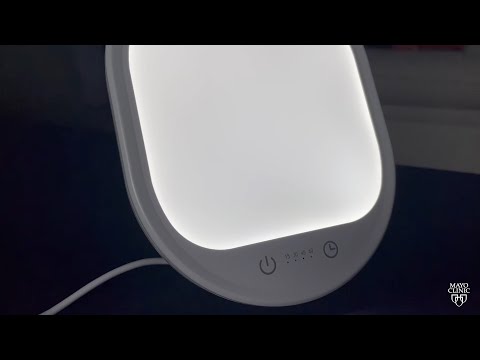
So, what happens with light therapy? Well, using a special light box for about 20-30 minutes in the morning can help reset that clock of yours. It’s been shown to increase serotonin levels which are linked to mood improvement. You know how sometimes you wake up feeling groggy? That could be because your body isn’t getting the right signals from light.
Here’s a couple of key points about light therapy:
- Timing is Everything: For most people, using the light in the morning works best. This helps signal your brain that it’s time to wake up.
- Regular Use: Consistency matters! Try to use it daily for several weeks for maximum effectiveness.
- No Side Effects: Most people tolerate light therapy pretty well. Just make sure not to stare directly into the lights—ouch!
Now let’s talk about some real-life applications. You might remember that friend of yours who always seemed down during winter? After trying out light therapy last year, they said it was like flipping a switch—suddenly they felt more energized and less moody! It was interesting how just introducing bright light into their mornings made such a difference.
Another cool thing about light therapy is its potential for shift workers. If you’re working night shifts and struggle with sleep during the day, using bright lights when you wake up can help adjust your cycle and improve sleep quality.
If you’ve tried everything else—like changing your diet or forcing yourself into a sleep routine—light therapy might just be what you need as an extra push. It’s all about finding what works best for you.
So yeah, if you’re feeling out of sync with life’s rhythms or battling those winter blues, give this whole light therapy thing some thought! It’s not just about feeling good; it’s also an important part of keeping our body clocks ticking smoothly.
Understanding the Impact of Light on Circadian Rhythm: Unlocking Better Sleep and Mental Health
Alright, let’s break down how light plays a role in your circadian rhythm, sleep, and even your mood. This stuff is super important for feeling your best, so hang tight.
First, let’s talk about **circadian rhythm**. It’s basically your body’s internal clock. It runs on a roughly 24-hour cycle, syncing with natural light and dark cycles. You know how you feel sleepy when it gets dark outside? That’s your circadian rhythm kicking in! Light and darkness signal when to wake up or wind down.
So, how does light affect this cycle? Well, our eyes have special cells that detect light. When these cells sense light, they send signals to a part of the brain called the **suprachiasmatic nucleus (SCN)**. This area helps regulate hormones like melatonin, which tells you when it’s time to sleep. More light means less melatonin; less light means more melatonin. It’s all about balance.
Now think about how artificial light—like from screens—is everywhere these days. And that blue light? Yeah, it can mess with this clock big time! If you’re staring at your phone right before bed, you might be tricking your brain into thinking it’s still daytime. As a result, falling asleep becomes tougher than it needs to be.
You might wonder what happens when you disrupt this rhythm for too long. Well, chronic misalignment can lead to some serious issues like **insomnia**, anxiety, or even depression. If you’ve ever felt cranky after a poor night of sleep or had trouble focusing at work because you were tired—that’s real! Your mood is often tied closely to how well you’re sleeping.
This is where **light therapy** comes into play. It involves sitting near a special type of light box that mimics natural sunlight—perfect for those gloomy winter months or if you’re stuck in an office without windows all day. Studies show that using these boxes can help reset your circadian rhythm and boost mood by increasing serotonin levels—the happiness hormone!
Here are some key points about light therapy:
- Tuning in early: Getting exposure to bright light soon after waking up helps signal it’s time to be awake.
- Limiting exposure: Reducing artificial light exposure in the evening can cue your body it’s time to chill out.
- Consistency matters: Keeping a regular schedule with sleep and wake times aligns better with natural rhythms.
You may remember that feeling when daylight savings hits—you know, the one where you feel extra groggy for days? That shift messes with your body clock too! Adjusting back takes time because we’re creatures of habit.
Remember someone who struggled with seasonal affective disorder (SAD)? They’d feel low during winter months due to less sunlight but would perk up come springtime—that’s classic circadian disruption! Light therapy could be beneficial for them by providing those extra rays when nature isn’t cooperating.
At the end of the day—pun intended—understanding and managing how we interact with light can seriously improve our mental health and quality of sleep. So next time you feel off-kilter during those long winter nights or after too much screen time before bed—just check in on that ol’ circadian rhythm of yours!
Exploring the Impact of Light Therapy on Mood: Can Brightness Boost Your Mental Health?
So, let’s chat about something that might seem a bit out there but is actually pretty cool: light therapy. Basically, it involves using bright lights to help improve your mood and regulate your sleep cycle. Sounds simple, right? Well, there’s a lot more to it than that.
The thing to keep in mind is that light plays a huge role in our mental health. It’s like this unseen force that affects how we feel and even how we sleep. You’ve probably noticed those gloomy winter days make you feel a little down. That’s because fewer daylight hours can mess with your body clock—your circadian rhythm. This rhythm helps regulate sleep patterns, mood, and even eating habits.
Now, here’s where light therapy comes in. It usually involves sitting near a special light box for about 20-30 minutes every day. This box mimics natural sunlight but without harmful UV rays. When you expose yourself to this bright light, it helps trick your brain into producing more of the good stuff—like serotonin—which can lift your spirits.
Research shows that many people experience significant improvements with light therapy, especially during the winter months when seasonal affective disorder (SAD) hits hard. Imagine waking up on a dreary day feeling energized instead of sluggish because you’ve had your daily dose of «sunshine»!
Here are some effects you might notice:
- Improved Mood: Many folks report feeling happier and more motivated after just a few sessions.
- Better Sleep: Regulating your circadian rhythm can lead to better quality sleep.
- Increased Energy: You might find you have more get-up-and-go throughout the day!
But hang on—light therapy isn’t for everyone or all issues. If you’re dealing with certain conditions or medications that increase sensitivity to light, it’s definitely worth talking with a healthcare provider first.
I remember when my friend Mark was struggling with the winter blues one year. He tried everything from exercising more to changing his diet—but nothing seemed to help until he got into light therapy. Within weeks, he felt like himself again, ready to tackle those cold days! So cool how something as simple as sitting by a bright box could change his outlook.
In short, while light therapy isn’t a one-size-fits-all solution for mental health issues, it does offer hope for many people looking for ways to boost their mood naturally. It taps right into our biology—how incredible is that?
You know those gray, drab winter days when the sun barely makes an appearance? It’s like, everything feels a bit heavier, right? You might find yourself feeling off your game, maybe even a little down. That’s where light therapy comes into play, and honestly, it can be a game changer for folks who struggle with the winter blues or seasonal affective disorder (SAD).
So here’s the deal: light therapy involves using bright artificial light to mimic natural sunlight. Think of it as a little sunshine in a box! It’s not just about getting that glow on your skin; it helps reset your body’s internal clock—your circadian rhythm. This rhythm is like a conductor for your daily schedule. It influences sleep, mood, and even how hungry you feel. When this rhythm gets disrupted—like during those long winter months—it can lead to some serious mood shifts.
I remember my friend Sarah telling me about her experience with light therapy. She used to dread winter because her energy would plummet around November. She bought one of those fancy light boxes and started using it every morning for about 20 minutes while sipping her coffee. At first, she was skeptical but said it felt like waking up in spring instead of hibernating under her covers!
Before she knew it, she was sleeping better and feeling more upbeat during the day. She joked that she felt more like herself again—just with a bit of extra sparkle! And the cool thing is that science backs this up; studies show that exposure to bright white or blue light can help raise serotonin levels (that happy chemical) and regulate melatonin (the sleep hormone).
But hey, it’s not just about feeling good in winter! Light therapy has also shown promising results for people dealing with depression or anxiety year-round. It’s often used alongside other treatments but can be an effective part of a bigger plan.
That said, if you’re thinking about giving it a shot, keep in mind some folks might experience side effects like eye strain or headaches at first. So it’s good to chat with someone who knows their stuff—like a mental health pro—before diving into this shiny world.
In short? Light therapy offers hope when the days are dark and gloomy outside. Just imagine bringing that little burst of sunshine into your routine—you might just find some rays of joy shining through!