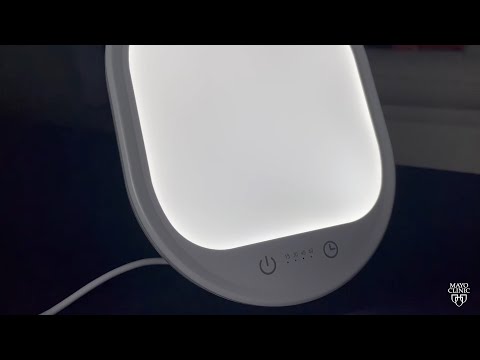
So, winter is here, huh? Days are shorter, and that sunshine you love? Totally missing. You know what I’m talking about.
Seasonal Affective Disorder, or SAD for short, hits a lot of folks when the cold creeps in. It’s like a cloud that just won’t lift, and everything seems dull and gray.
But guess what? There’s something you can do about it! Light therapy might just be the bright spot you need in your life.
Seriously, it’s not as weird as it sounds. Sit in front of a special light box for a bit each day, and you could feel those winter blues melt away. Sounds nice, right?
Let’s chat about how this works and why it might be the answer to bringing some sunlight back into your life!
Optimal Duration for Using a SAD Light: Maximize Your Mental Health Benefits
Light therapy can be a game-changer if you’re dealing with Seasonal Affective Disorder (SAD). It helps lift that heavy cloud hovering over your mood. But, how long should you actually be using one of those SAD lights to get the most benefit? Let’s break it down.
First off, **the optimal duration** for using a SAD light usually falls between **20 to 30 minutes** each day. It sounds simple, but there’s a bit more to it than just setting the timer and zoning out for half an hour.
Depending on the intensity of your light, you might need to adjust this time. For instance, if you’re using a **10,000 lux light box**, sticking with that 20 to 30-minute mark is generally effective. But if your light has lower intensity—say around 2,500 lux—you might need to use it for longer, like up to **two hours**. The key is in the brightness; brighter lights tend to work faster.
Placement matters too! Positioning the light about **16-24 inches away from your face** is usually ideal. You don’t have to stare directly at it—just doing regular activities near it should do the trick. Think about how weirdly good it feels when you’re having a coffee in front of the window during sunny days? That’s kind of what we’re after here.
You might also be curious about when’s the best time to use it. Most experts recommend starting in the morning right after you wake up. This mimics natural sunlight and can jumpstart your circadian rhythm (that’s just a fancy way of saying your body’s internal clock). You follow me?
But here’s where things get personal: some people find that using a SAD light later in the day works better for them. Everyone’s different! So if mornings aren’t doing it for you or you notice you feel better after using it at night, then go with what feels right.
Now let’s chat about consistency—this is key! Doing this daily is crucial for seeing lasting benefits. It’s not just about cramming all those minutes into one day; think of it as building a habit, like brushing your teeth or watering plants regularly.
And hey, be sure to pay attention to how you’re feeling while you’re at it. Keeping a mood journal can help track any changes over time. If your SAD symptoms improve or even start fluctuating with how much or when you’re using that light therapy box—document it! Then adjust accordingly.
So basically: shoot for those 20-30 minutes daily with a bright enough light placed correctly and pay attention to what works best for you personally. Take notice of how consistent usage affects your mood over time.
Light therapy isn’t magic—it takes dedication and some trial and error—but many folks end up feeling those mental health benefits shining through when they stick with it. Just remember: you’re not alone in figuring this out!
Boost Your Mood: The Best LED Light Colors for Combating SAD
Seasonal Affective Disorder (SAD) can feel like a heavy cloud hovering over you, especially during those gloomy winter months. It’s like your mood takes a nosedive when the days shorten, and the sun decides to hide. But hey, there are ways to fight this funk! One popular method is light therapy, which uses special lights to mimic natural sunlight. So let’s chat about which LED light colors can really help boost your mood.
Brightness matters. When you’re using light therapy for SAD, the intensity of the light is crucial. Look for lights that emit at least 10,000 lux. That’s pretty bright! You want something that feels enveloping without being too harsh on your eyes.
Color temperature plays a role too. Lights that are closer to natural daylight—around 5,000K to 6,500K—are usually the most effective for reducing symptoms of SAD. These lights have a blueish tint that mimics midday sunlight. Ever notice how a sunny day makes everything feel better? This kind of brightness taps into that feeling.
Now, when we get into color wavelengths, here’s where it gets interesting:
There was this friend of mine who struggled with SAD every winter. She started using a blue-light lamp every morning while sipping her coffee and reading—totally changed her vibe! She said it felt like she was waking up under sunny skies instead of dreary clouds.
Timing is key too! Most recommendations say to use these lights in the morning for about 20-30 minutes daily. It helps kickstart your circadian rhythm and aligns your body clock better.
But remember: while these lights can definitely help lift your spirits, they’re not magic fixes on their own. If things feel really heavy or overwhelming, reaching out to a mental health professional could be super beneficial.
So in summary: if you’re grappling with SAD this winter or any season affected by lack of sunlight, think about trying out some bright LED lights—especially blue or white ones—and see if they bring some sunshine back into your life!
Understanding SAD Lights: Who Should Avoid Using Them for Seasonal Affective Disorder
Seasonal Affective Disorder, or SAD, can really take a toll on your mood when the daylight hours get shorter. You might’ve heard about **SAD lights**, which are used in light therapy to help boost your spirits. But let’s break it down: not everyone should jump on the bandwagon with these devices. Here’s who might want to think twice before using them.
1. People with Eye Disorders: If you have certain eye conditions like cataracts or glaucoma, bright lights could make things worse. It can strain your eyes and maybe even cause discomfort. You know, it’s important to consider how your peepers handle light.
2. Bipolar Disorder: Light therapy can be a bit of a double-edged sword for those with bipolar disorder. For some, it might trigger manic episodes when they’re exposed to high levels of light. So if this is you or someone you know, consult a mental health professional first.
3. Skin Sensitivities: Some folks have skin that reacts poorly to bright light or UV exposure. If you’re prone to rashes or other skin issues, it could flare up under intense lighting.
4. Certain Medications: If you’re taking medications that make your skin more sensitive to sunlight—like some antibiotics—you might want to skip the SAD lights until you chat with your doctor about it.
5. Pregnant Women: There isn’t enough research on how bright lights affect pregnant women specifically, so it’s better to be safe than sorry here! That’s definitely something worth discussing with a healthcare provider.
Look, I get that tackling those winter blues is important; I personally experienced it last year when January felt like an endless gray blanket over everything. My mood was low, and I felt like I needed something—anything—to help me out of that funk! But before jumping into light therapy, understanding the potential risks is crucial.
It’s all about being informed and making choices that work for you personally—just because someone swears by their SAD lamp doesn’t mean it’s right for everyone. If you’re thinking about trying one out but fall into any of these categories, seriously consider talking with your doctor first! They’ll help guide you safely through this wintery mental health maze without getting stuck in any dark corners.
So yeah, SAD lights can be super helpful for many people battling seasonal blues—but they’re not for everyone! Just remember: knowledge is power when it comes to keeping yourself mentally healthy during those darker months.
You know, when the seasons change, it can really mess with your mood. It’s like, one minute you’re soaking up that summer sun, and the next, bam! Winter shows up with its gray skies and shorter days. For some people, this shift can lead to something called Seasonal Affective Disorder (SAD). It’s real and can be a bummer. I mean, who hasn’t felt a little more down when it’s cold and dark outside?
So here’s the thing: light therapy might be a game changer for folks dealing with SAD. Imagine sitting in front of this bright light box that mimics natural sunlight. It sounds simple, but it can have serious benefits. This therapy provides exposure to bright light for a limited time each day, helping your brain produce more serotonin—the stuff that makes you feel good.
I remember my friend Lisa had a tough winter last year. She felt sluggish and just kind of blah as soon as daylight savings hit. One day, she decided to try light therapy out of frustration. After just a couple of weeks using her light box every morning while sipping her coffee, she noticed everything got just a bit brighter—her energy levels stabilized and she felt more upbeat.
But it isn’t some magical fix. You don’t just sit there for 30 minutes and poof! You’re cured. It’s all about consistency and finding the right intensity for you. And hey, if you’re considering it, chatting with your doc is super important first.
In short? Light therapy could be that extra boost we need to chase away those winter blues and fill our lives with a little sunshine—even when there’s none outside! Just think about sitting by that bright box in the morning—it’s like having your own slice of summer right in your home during those gloomy months. So if you’re struggling with SAD or know someone who is, maybe suggest giving it a shot? Who knows? It could make all the difference!