You know those winter days when it feels like the sun just gave up and went on vacation? Yeah, that’s when Seasonal Affective Disorder (SAD) hits hard.
It’s not just the cold or the holiday blues. It’s that heavy feeling like you’re trudging through mud, mentally. Seriously, who hasn’t felt a little down when it’s gray outside for weeks on end?
But here’s the good part: light therapy can really help lift that gloom. I mean, who wouldn’t want a sunny spot in their living room during January?
So if you’re thinking about trying it out, let’s chat about how to find a light therapy option nearby. Trust me, a little bit of bright can make a big difference!
Choosing the Best Light Therapy for Seasonal Affective Disorder: A Comprehensive Guide
Well, if you’re dealing with Seasonal Affective Disorder (SAD), you know that those long winter months can really bring you down. One popular way to cope is light therapy. Basically, it mimics sunlight to help improve your mood. But with so many options out there, how do you choose the best light therapy for you? Let’s break it down.
First off, it’s all about the lumens. This measures how bright the light is. For effective light therapy, look for lamps that emit at least 10,000 lux. That’s a fancy way of saying they’re bright enough to make a real difference.
Now, when you’re shopping around, consider the wavelength of the light. Most light therapy lamps use full-spectrum bulbs which closely mimic natural sunlight. Some people also find that blue light is helpful because it can be more effective in smaller doses—but hey, make sure you’re not sensitive to blue light before going that route.
Another thing to think about is how comfortable the lamp feels during use. You’ll probably be sitting near it for 20-30 minutes daily, so choose one that doesn’t feel harsh or glaring. Some folks even appreciate lamps with adjustable brightness settings—it’s nice to have options depending on your mood and environment.
And let’s not forget about portability. If you travel a lot or need something for your desk at work, a smaller lamp can be super handy. There are also box-style lamps and handheld models; each has its perks depending on where you’ll use them most.
In terms of finding these lamps nearby, check local wellness stores or larger retailers—sometimes they have those demo models set up where you can give them a try first! And if you’re into online shopping (who isn’t?), sites like Amazon usually have tons of choices with user reviews to help steer your decision.
Don’t ignore safety features, either. Look for lamps that have been tested and certified by organizations like UL or CSA—those labels mean they’ve met safety standards. Also, think about timers or automatic shut-off features because nobody wants to leave their lamp running all day!
Finally, don’t hesitate to reach out to professionals for guidance. Talking with a therapist who knows about SAD could be really beneficial—they might even recommend specific brands based on your needs.
So there it is: keep an eye on lumens and wavelength, consider comfort and portability, check safety features—and just like that, you’re well on your way to finding the right light therapy for those gloomy days!
Unlocking the Benefits of Light Therapy for Seasonal Affective Disorder: A Complete Guide
So, let’s chat about light therapy and how it can be a game changer for Seasonal Affective Disorder (SAD). You know, when those dreary winter months come around and it feels like the sun just totally ghosted you? Yeah, that’s SAD in action.
Light therapy is one cool approach to tackle those winter blues. Basically, it involves sitting in front of a special light that mimics natural sunlight. This can help regulate your body’s internal clock and boost your mood. Pretty neat, huh?
How does it work? Well, the idea is that exposure to bright artificial light helps increase levels of serotonin in your brain. Serotonin is that feel-good chemical we all love, and when it’s lacking, you might feel down or extra sleepy. So more light means more serotonin—simple as that!
Now, if you’re in the market for light therapy options nearby, here are some things to look for:
- Light box specifications: Look for a box that emits at least 10,000 lux of light without UV rays—that’s super important to protect your skin.
- Timing: Most folks benefit from about 20-30 minutes of exposure in the morning. Early bird gets the worm…or the good vibes!
- Consistency: For best results, stick with it daily until spring rolls around or until you start feeling a lift in your mood.
- Consultation: Always a good idea to chat with a healthcare provider before starting any new treatment—just to make sure it’s right for you.
Now let’s picture this: Imagine Sarah. Every year during winter, she feels like she’s stuck in a fog. No energy and her mood drops like a rock. She hears about light therapy from her friend and decides to give it a shot. After just a couple weeks of consistently using her light box each morning while sipping coffee and catching up on her favorite shows—bam! Her spirits lifted and she felt more alive than ever before!
That little story shows how impactful something so simple can be.
Where to find light therapy options? Check out local wellness centers or even stores that specialize in health products. Many physical therapists or psychologists also offer guidance on where to get started with this sort of thing.
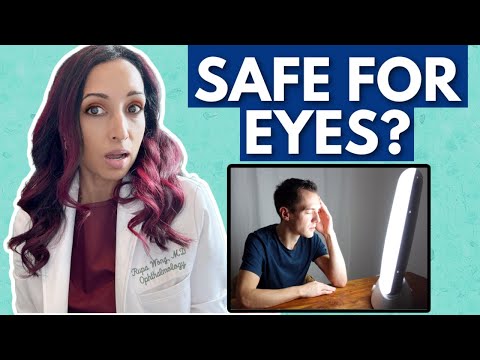
In terms of side effects? They’re usually pretty mild—think headaches or eye strain—but they’re not super common if used correctly.
So there you go! If you’re feeling down during those darker months, maybe give this whole light therapy thing a try? It might just bring some sunshine back into your life!
Understanding Insurance Coverage for Light Therapy: What You Need to Know
Understanding insurance coverage for light therapy, especially when it comes to dealing with Seasonal Affective Disorder (SAD), can be a bit of a maze. You know how frustrating it can be when you just want to feel better but have to wade through all this red tape? So let’s break down what you really need to know about insurance and light therapy.
First off, light therapy is a common treatment for SAD. It involves using a special lamp or light box that mimics natural sunlight. This helps regulate your body’s sleep-wake cycle and boost your mood. But just because it’s an effective treatment doesn’t mean insurance companies are on board with it.
When we talk about insurance coverage, here’s what usually happens:
- Consult your plan: Look at the specifics of your insurance policy. Some plans cover mental health treatments more comprehensively than others. If your plan lists mental health benefits, you might find they include therapies like this.
- Talk to your doctor: Sometimes, getting a prescription for light therapy from a healthcare provider can make all the difference in getting your insurance provider to cover costs. They might consider it necessary based on your symptoms.
- Check for CPT codes: Most insurance companies require specific procedure codes known as CPT codes for reimbursement. Light therapy may not have its own code, which can complicate things. If you’re confused about this, your healthcare provider can help clarify what’s needed.
- Documentation matters: Keeping detailed records of treatment sessions and any correspondence with providers or insurers is important. This could help if there’s any dispute over coverage later on.
- Appeal if you need to: If your claim gets denied, don’t lose hope! Many people successfully appeal denials by providing more information or details about how light therapy specifically helps their condition.
Let me tell you about my friend Sarah who dealt with SAD last winter. She was feeling incredibly low and decided to try light therapy after hearing great things about it. When she first looked into her insurance plan, she found out that they wouldn’t cover the cost directly because there wasn’t enough documentation in their guidelines regarding specific therapies like hers.
Sarah didn’t give up; she got her doctor involved who noted on her chart how beneficial the therapy would likely be for her symptoms and helped write up some solid documentation backing her claim. Eventually, when she submitted everything again, they approved part of her expenses!
So basically, understanding the ins-and-outs of insurance coverage for light therapy involves some homework but don’t let that discourage you! Linking up with a supportive healthcare provider and being persistent will go a long way toward getting the coverage you deserve while managing Seasonal Affective Disorder effectively.
Remember, navigating insurance can feel like walking through quicksand sometimes—frustrating and slow—but staying informed and proactive helps lighten the load!
You know, it’s that time of year again when the days get shorter and the sunlight seems to vanish. If you’ve got Seasonal Affective Disorder, or SAD, that can feel like a dark cloud just hovering over your happiness. I mean, I get it. There was a winter a few years back when I could barely drag myself out of bed. The gray skies outside sort of mirrored my mood. It’s like being stuck in a fog you can’t shake off.
So, light therapy? It’s something I’ve learned can really help with those winter blues. It might sound a bit odd at first—like, how can sitting in front of a bright light improve your mood? But there’s real science behind it! You see, our bodies rely on sunlight for regulating sleep and mood through this hormone called melatonin and another called serotonin. So when that natural light disappears during winter, it can throw everything out of whack.
Finding a light therapy lamp nearby is like searching for treasure sometimes! Luckily, these aren’t hard to find; tons of local stores or online shops have them nowadays. When you pick one out, just look for one that emits at least 10,000 lux (that’s fancy talk for brightness) and blocks UV rays—that keeps your skin safe too! Trust me; it makes a difference.
I remember hitting up a local wellness shop one chilly afternoon. The owner totally understood what I was going through and helped me pick out the perfect lamp. Let me tell you—just unboxing that thing felt like opening a little sunbeam right in my living room!
But remember to keep consistent with using it—it’s not just about sitting in front of it once and calling it good. A little routine goes a long way! So whether it’s sipping coffee while basking in the glow or zoning into work with some bright company on those dreary days, you start feeling the lift.
So if you’re looking around for light therapy options nearby, don’t hesitate to ask friends or check online reviews for places that others found helpful too. You’re definitely not alone in this struggle—we’ve all been there at some point or another! Just grab some light and chase away those shadows; brighter days are ahead!