Winter can be a real drag, huh? Days are short, and the sun feels like it’s playing hide-and-seek. You might even find yourself feeling a bit down.
Seriously, it’s not just in your head. A lot of people deal with the “winter blues.” The chill can make everything seem dimmer. It’s like you’re walking around in a cloud of gloom.
But hey, what if I told you there’s a way to brighten those dark days? Light therapy could be your new best friend! It sounds a bit kooky at first, but stick around with me. You might just find it’s the ray of sunshine you need to chase away those winter blahs!
Exploring the Effectiveness of Light Therapy for Combating Winter Blues
Light therapy has gained a lot of attention for helping people combat those pesky winter blues, you know? When the days get shorter and sunlight becomes like that one friend who flakes out on plans, it can really mess with your mood. It’s known as Seasonal Affective Disorder (SAD), a type of depression that happens in certain seasons, mainly during the winter months.
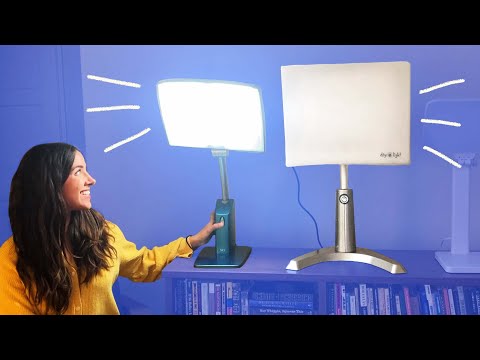
Basically, light therapy involves sitting in front of a special light box that mimics natural sunlight. You typically do this for about 20 to 30 minutes a day. The idea is to boost your exposure to light which can positively impact your body’s internal clock and melatonin production.
Some studies have shown that light therapy can be as effective as antidepressants for some people. That’s pretty impressive! A lot of folks notice improvements in their mood within just a week or two of starting treatment. It’s like flipping the switch back on after a long blackout.
Here are some key points about how light therapy works:
- Boosts serotonin levels: Exposure to bright light can increase serotonin levels in the brain, which helps improve mood.
- Synchronizes circadian rhythms: Light plays a big role in regulating our sleep-wake cycles and overall energy levels.
- Non-invasive: Unlike medications, this method doesn’t come with side effects like weight gain or insomnia.
- Accessibility: You can often use light therapy at home with devices that are easy to find online or at local stores.
Now let me throw in a quick story. My friend Jane struggled every winter with feeling down and lethargic. She decided to give light therapy a shot after hearing about it from her therapist. Within days of using her bright box each morning while sipping coffee, she noticed she felt more energized and even started tackling her to-do list again! It’s wild how something so simple can make such a difference.
That said, not everyone responds the same way. If you’re considering it, chatting with a healthcare professional is always smart. They can guide you on how long you should use the lights and what intensity is right for you.
Using light therapy alone may not be enough for everyone either; combining it with other methods like talk therapy or exercise could really help improve results. In fact, some researchers suggest it works best when used alongside other strategies.
So if winter’s got you feeling down in the dumps, exploring this option might be worth your time! Who knows? You might just find yourself feeling brighter when those dark days roll around again!
10 Effective Strategies to Beat the Winter Blues and Boost Your Mood
Winter can be a drag, right? The days are shorter, the skies are gray, and you might find yourself feeling a bit down. Those winter blues are real and can hit hard. But don’t worry! There’s a bunch of ways to lift your spirits during this chilly season. Let’s break it down:
1. Light Therapy
So, the main player here is light therapy. This involves sitting in front of a special light box that mimics natural sunlight. It can help improve your mood and energy levels by resetting your body’s internal clock. People often say it makes them feel like they’ve just stepped into summer!
2. Get Outside
Even if it’s freezing out there, getting some fresh air is key. Take a walk during the day when the sun’s out, even if it’s just for 10 minutes. Exposure to natural light helps improve mood and vitamin D levels too!
3. Stay Active
Exercise is like magic for your brain. When you work out, your body releases endorphins—those feel-good chemicals that boost your mood. Even something simple like dancing around your living room counts!
4. Socialize
Connecting with friends or family is super important, especially when you’re feeling down. Grab coffee with a friend or hop on a video call if they’re far away! Just chatting can brighten up those dark days.
5. Eat Well
What you eat seriously affects how you feel emotionally. Try to include more fruits, veggies, whole grains, and lean proteins in your diet. Foods rich in omega-3 fatty acids (like salmon) can help ease symptoms of depression too.
6. Establish a Routine
Sometimes winter can throw off our schedules big time! Having a daily routine can provide structure and comfort during chaotic times, keeping you from feeling lost in the dark.
7. Practice Mindfulness
Try mindfulness practices like meditation or yoga to help clear your mind and reduce stress levels. Just five minutes of focused breathing can make a noticeable difference in how you feel.
8. Set Goals
When you set small goals for yourself—like reading that book you’ve been meaning to pick up—you create purpose and motivation every day instead of slipping into that winter daze.
9. Light Up Your Space
Decorate with brighter lights or colorful decor to chase away some gloom! Fairy lights or bright artwork can literally change the vibe of a room.
10. Seek Professional Help If Needed
If winter blues start creeping deeper into sadness that doesn’t seem to lift, talking to someone—a therapist or counselor—can provide support and guidance tailored just for you.
Embracing these strategies can really help fight off those winter blues while bringing back some sunshine into those gray days! Remember: you’re not alone in this; it happens to many folks out there!
Top Light Therapy Options for Battling Seasonal Depression: A Comprehensive Guide
Light therapy is gaining traction as a go-to solution for those battling seasonal depression, or Seasonal Affective Disorder (SAD). It’s like your personal sunshine, especially when those winter days feel so dreary. So, let’s break down some top light therapy options that could really help.
What is Light Therapy?
Basically, it’s a treatment where you expose yourself to bright light for a certain amount of time each day. The idea is to mimic natural sunlight. This can help regulate serotonin and melatonin levels in your body, which are super important for mood and sleep.
Types of Light Therapy Devices
There are a few different devices you can use:
- Light Boxes: These are probably the most common. They emit bright light—usually around 10,000 lux—without the harmful UV rays from the sun. You typically sit in front of one for about 20 to 30 minutes each morning.
- Light Visors: Picture it like wearing a headset that emits light directly onto your eyes. They’re portable and allow you to move around while getting your dose of brightness.
- Dawn Simulators: This is pretty neat! They gradually brighten your room like a sunrise. It’s great for waking up naturally during those dark winter months.
- Light Bulbs: You can replace regular bulbs with full-spectrum ones in lamps or at home. These don’t provide quite the same intensity as light boxes but can still be beneficial.
How to Use Them Effectively
Timing and consistency matter here. You want to aim for about 20–30 minutes first thing in the morning with something like a light box. That way, you can kickstart your day right with some energy.
It’s crucial to sit close enough to get that full effect but not so close that it feels uncomfortable or harsh on your eyes. And don’t forget—no staring directly into the light! Just let it shine on you while you’re doing other stuff like reading or enjoying your coffee.
Selecting the Right Device
When choosing a device, make sure it’s designed specifically for seasonal depression. Look for features like:
- The right intensity: Aim for around 10,000 lux.
- No UV exposure: It should be labeled as UV-free.
- A good warranty: A sign of quality!
Some brands may offer special filters that claim to enhance effectiveness; just do a little research on those before jumping in.
Cautions and Considerations
While light therapy is generally safe, it’s not without caveats. Some folks might experience headache or eyestrain initially when starting treatment—kinda like getting used to new glasses! If you’re sensitive to light or have serious eye conditions, talking with a doc before beginning would be wise.
And don’t forget—it’s not an instant fix. You might need several days or weeks before noticing any changes in mood or energy levels.
In summary, whether you’re stuck inside because of snow or simply missing that sunny weather vibe, light therapy might be just what you need to brighten those dark days ahead!
When winter rolls around, and the days get shorter, it’s like the sun just packs its bags and leaves us in this gray, chilly funk. I mean, seriously! A while back, a friend of mine was really struggling with those winter blues. She’d wake up to darkness, work through a gloomy day, and then come home under the same dull sky. It felt like there was no escape. You could see it in her eyes—just a little dimmer than usual.
Then one day, she got this bright idea (pun intended) to try light therapy. At first, I thought it sounded kinda gimmicky. But she gave it a shot anyway! You know those big light boxes? They mimic natural sunlight and are supposed to help boost your mood. So she set one up by her desk at work and just started soaking in that faux sunshine for about half an hour each day.
Honestly? It wasn’t instant magic or anything. But over time, she felt more energetic! It was like someone started flicking the switch back on in her brain. She even said those heavy blankets of sadness began to lift a bit. Makes sense when you think about how our bodies react to light—sometimes we need that jolt of brightness to shake off the gloom.
Light therapy works because it influences our circadian rhythms—the internal clock telling our bodies when to wake up or wind down—by increasing serotonin levels too. Seriously! When you expose yourself to bright light in the morning or during those gloomy hours, it can help regulate all that stuff happening in your body.
But here’s the kicker: light therapy isn’t a cure-all for everyone; some folks might find it helpful while others not so much. And if you’re thinking about giving it a try? It’s always good to have a chat with someone who knows their stuff—like a doctor or therapist—just to make sure it’s right for you.
At the end of the day (or should I say “at the beginning”?), facing winter doesn’t have to be all doom and gloom. Just finding ways to brighten those dark days can make such a difference!