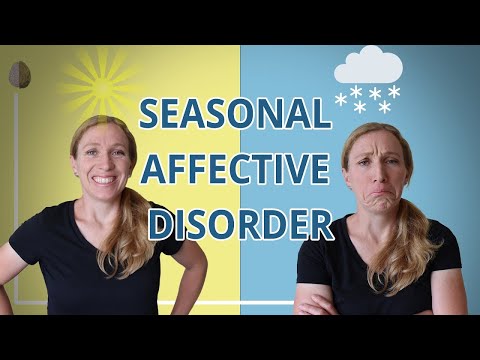
So, winter’s here, huh? Days are short, and the sun seems like a distant memory. You might be feeling it—more tired, less motivated, or just kinda blah.
Believe me, you’re not alone. A lot of us battle those winter blues.
But here’s a fun fact: there’s this thing called light therapy that can really help. It’s not magic or anything, but it can perk you up!
Imagine soaking in bright light that mimics sunshine while you’re cozied up indoors. Sounds nice, right?
Let’s chat about how this works and why it might just be the pick-me-up you need this season!
Exploring the Mental Health Benefits of Blue Light Therapy: What You Need to Know
So, you’re feeling those winter blues creeping in, huh? You know, that kind of heaviness that makes everything feel a bit dull and gray? Well, let’s chat about blue light therapy and how it might just help boost your mood during those darker months.
Blue light therapy basically involves exposure to blue light, usually through a special device. It’s often used to treat seasonal affective disorder (SAD) and other forms of depression. The whole thing is based on the idea that natural sunlight can really help your brain produce more serotonin—a chemical that makes you feel happier. When sunlight isn’t as available in winter, this kind of therapy helps fill that gap.
Here are some key points about blue light therapy:
Now, here’s where it gets interesting: imagine waking up on a dreary January morning. You stumble out of bed, and instead of facing the cloudy sky outside, you sit down with a blue light lamp for about 20-30 minutes with your coffee. It’s like bringing a piece of summer into your home! Seriously, many folks report feeling more energized right after their sessions.
But like anything else, there are some things to watch out for. Potential side effects, such as headaches or eye strain can happen—especially if you overdo it or use the wrong type of device. And while blue light therapy is generally safe, it’s always good to check in with a healthcare professional before diving headfirst into treatment.
Some tips if you decide to try it out:
So yeah, while blue light therapy isn’t magic—it won’t solve everything overnight—it can be part of a broader approach to tackling those winter blahs. Pair it with some fresh air whenever possible and maybe even talking things out with someone you trust.
Overall, it’s all about finding what works best for you! Whether it’s hanging out by the fireplace or investing some time under those bright lights, make sure you’re taking care of yourself during those colder months.
Exploring the Effectiveness of Phototherapy in Treating Seasonal Affective Disorder (SAD)
There’s something about winter that can really drag you down, right? If you’ve ever felt the weight of those shorter days and gray skies, you might know what I mean. This isn’t just in your head; it’s a real condition called **Seasonal Affective Disorder** (SAD). Now, one treatment that’s been getting a lot of attention is phototherapy, or light therapy. Let’s break this down and see how effective it really is.
**What is Phototherapy?**
Basically, phototherapy involves sitting in front of a special light box that mimics natural sunlight. The idea is to give your body the light it’s missing during those dreary months. You typically use it for about 20 to 30 minutes each day, preferably in the morning.
**Why Does It Help?**
Here’s the thing: Light affects your body’s internal clock, or circadian rhythm. When you’re exposed to this kind of bright light, it can help boost serotonin levels—those feel-good chemicals in your brain! More serotonin means better mood and less fatigue. So when winter hits and daylight shrinks, phototherapy can be a game changer.
Research shows that light therapy can significantly improve symptoms of SAD for many people. A lot of studies have found that around **50-80%** of people show improvement after several days or weeks of using a light box consistently.
**How Effective Is It?**
Well, it varies from person to person. But generally speaking:
- It helps lift moods and combat depression.
- Most users notice effects within one to two weeks.
- It might improve sleep quality by resetting those internal clocks.
But there are also some folks who find light therapy isn’t enough on its own. And that’s totally okay! Sometimes, combining phototherapy with other treatments like medication or talk therapy provides even more relief.
Sometimes I think about my friend Sarah who always felt drained during the winter months. She started using a light box last season—just 30 minutes every morning while she sipped her coffee—and said she felt like a new person! No more struggling through those gray days; she could actually enjoy winter activities instead.
**Are There Any Side Effects?**
It’s usually safe for most people but can have some side effects like headaches, eye strain or feeling jittery if used too long. If you have eye conditions or sensitivity to bright lights, chatting with a doctor before starting would be smart!
In summary: Phototherapy might just be that little spark you need when winter tries to dim your shine! Just remember—it works differently for everyone. The important thing is finding what helps *you* feel brighter during those darker days ahead.
Choosing the Right Color Light for Seasonal Affective Disorder: A Guide to Boost Your Mood
Let’s chat about how light therapy can really help when those winter blues hit. If you’ve ever felt down during the shorter days of winter, you’re not alone. Many people experience Seasonal Affective Disorder (SAD), a type of depression that shows up when the sunlight fades away.
So, first things first, what’s light therapy? Basically, it involves sitting in front of a specially designed light box that mimics natural sunlight. This kind of exposure can seriously boost your mood and energy levels.
Choosing the Right Color Light
When it comes to picking the right color light for your therapy sessions, you want to focus on a few key points:
- Color Temperature: Look for lights that are around 5000 to 6500 Kelvin. This range is similar to natural daylight. Lights in this color temperature help create a more uplifting environment.
- Brightness: Aim for **10,000 lux** if possible. This intensity has shown better results in studies focusing on SAD.
- Light Type: Full-spectrum bulbs are a great choice. They emit all wavelengths of light, including those missing during winter months.
- User Comfort: Ultimately, you want something that feels good to you! Some people prefer warmer tones while others like cooler ones—just make sure it doesn’t hurt your eyes.
And it’s not just about color—there are other things to consider too!
When and How to Use It
You’ll want to plan your sessions wisely. The best time is typically in the morning after you wake up, as this helps reset your body’s internal clock. You can start with 20-30 minutes per day and adjust based on how you feel.
Now, here’s a little personal story: I used to dread those dark winter mornings. Seriously! I felt sluggish and irritable until I discovered my light box. Trust me; using it right after I got out of bed changed everything. The warmth from that bright glow made my mornings feel so much lighter!
You Gotta Be Consistent
Like any treatment, consistency is key here. Don’t think you can just use it once in awhile and expect miracles…you know? Regular exposure will provide more benefits over time.
Cautionary Notes
While light therapy is generally safe for most people, there are some things to keep in mind:
- If you have certain eye conditions or mood disorders like bipolar disorder, talk to your doctor before starting.
- Not everyone experiences positive effects; it might take some trial and error before finding what works best for you.
At the end of the day, finding the right color light and using it regularly could be just what you need when winter tries dragging your mood down into the dumps! So go ahead—find that perfect light box & make those dreary days feel a bit brighter!
You know, winter can be a real drag sometimes. The days are shorter, the skies are gray, and it can feel like the world is just… well, a bit gloomy. I remember a winter when I felt like I was in a fog. It was like my energy just packed its bags and left. I could barely muster the motivation to get out of bed. Seriously, those dark mornings were tough.
But then I heard about light therapy. At first, I thought it seemed kinda silly—staring at a bright light? Really? But then I found out that it could actually help with those pesky winter blues, also known as seasonal affective disorder (SAD). So, what’s the deal with light therapy? Basically, you sit in front of a special lamp that mimics natural sunlight for about 20 to 30 minutes each day. Sounds simple enough.
The science behind it is pretty interesting too. Our brains are wired to respond to light; it helps regulate our mood by influencing hormones like serotonin and melatonin. When you don’t get enough natural light during those short winter days, your body gets confused and can end up feeling crummy.
I decided to give it a shot last winter, and wow! Let me tell you; it made a difference! Just sitting there with that bright light felt like bringing a little sunshine into my life again. It’s not like magic or anything, but gradually my mood lifted. And honestly? It felt kind of cozy—like wrapping myself in warmth on a chilly day.
So if you’re finding yourself dragging during these darker months, maybe think about checking out light therapy. It might not be the cure-all for everyone—but for me at least? It gave me some spark back during those long winters when everything outside feels so cold and dark. Give yourself some love this season—you deserve it!