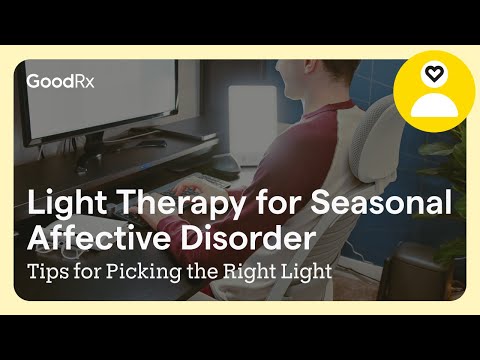
You know those gloomy, gray days when you just can’t shake off that funk? Yeah, we’ve all been there.
Seasonal Affective Disorder, or SAD for short, can hit harder than you’d think. It sneaks up on you during the winter months when sunlight feels like a distant memory.
But here’s the thing: there’s this cool little trick called light therapy that can help brighten those cloudy moods. It’s kinda like having a tiny sun right in your living room!
Let’s chat about how it works and why it might just be the thing you need to kick those winter blues to the curb.
Unlocking the Benefits of Light Therapy for Seasonal Affective Disorder: Does It Really Work?
So, let’s talk about light therapy and its role in tackling Seasonal Affective Disorder (SAD). If you’ve ever felt down or super sluggish during those gloomy winter months, you might’ve heard about this. Basically, SAD is just what it sounds like—depression that tends to kick in when the sun hides away for too long. The science behind it? Well, it’s mainly due to the lack of sunlight during fall and winter.
Now, this is where light therapy struts in. It involves sitting by a special light box that mimics natural sunlight. Sounds simple, right? But does it actually work? Research shows that yes, it can be pretty effective for many people dealing with SAD.
So how does this all go down? Here’s the deal:
- How it works: When you’re exposed to this bright light—usually around 10,000 lux (that’s like 20 times brighter than regular indoor lighting)—it can help boost your mood by influencing your brain’s chemistry. This helps with serotonin production, which is a big player in regulating mood.
- Timing matters: You typically want to do your light therapy first thing in the morning for about 20 to 30 minutes. It helps reset your internal clock and gets you energized for the day ahead.
- No side effects: For most folks, there aren’t many downsides other than maybe some eye strain if you’re not using a proper box. Just make sure it’s designed for this purpose!
- Consistency is key: Like anything else that’s good for you, sticking with light therapy is important. You might not feel instant relief; sometimes it takes a week or two before you notice any differences.
- Pairs well with other treatments: If light therapy isn’t cutting it on its own, it can complement other therapies like medication or talk therapy. Everyone’s different, so finding the right combo can take time.
To give you a real-world example: I once talked to someone named Sarah who struggled through those long winters in Minnesota. She described feeling like she was living in a fog—no energy and just constantly low. After trying light therapy regularly each morning while sipping her coffee, she noticed she could finally approach her day without dragging herself out of bed.
In terms of accessibility, many people can snag these light boxes online or at stores that sell wellness products. Just make sure they’re designed specifically for treating SAD—those flimsy desk lamps won’t cut it! And remember: if you’re thinking about starting this treatment, chatting with a healthcare provider first is never a bad idea.
In summary, light therapy doesn’t work for everyone but honestly has helped many folks brighten their mood during those dreary months. So if winter has got you feeling down, this might just be worth checking out!
Exploring the Effectiveness of SAD Therapy Lights: Do They Really Work for Seasonal Affective Disorder?
There’s something about winter that can just drag you down, right? If you’ve ever felt like the gray skies and chilly air have sucked the life out of you, you might be dealing with Seasonal Affective Disorder (SAD). This is more than just feeling a bit moody; it’s a type of depression tied to changes in seasons. But wait, there’s hope! Enter SAD therapy lights.
These therapy lights are designed to mimic natural sunlight. The idea is that by shining this bright light on yourself for a bit each day, you can improve your mood. Sounds simple enough, but does it really work?
Studies have shown that **light therapy can reduce symptoms of SAD for many people**. So here are some key points to consider:
- Light Intensity Matters: To be effective, these lights should typically emit at least 10,000 lux of brightness. That’s much brighter than typical indoor lighting!
- Timing is Key: Most folks benefit from using these lights in the morning. Just 20–30 minutes can set a positive tone for your day.
- Consistency Counts: Using the light regularly is crucial. Skipping days can lower its effectiveness.
- No Side Effects: Compared to medication, light therapy usually has fewer side effects—like headaches or eye strain can happen but are generally mild.
- Complementary Approach: For some people, combining light therapy with other treatments like talk therapy or medication enhances its effectiveness.
You might wonder about personal experiences. I remember hearing about a friend who felt like they were in a fog during the long winter months. They decided to give one of these lights a shot and were surprised! After just a week or so, they reported feeling more energized and less irritable. That little boost made their winter feel manageable.
Now, as much as these lights help many folks out there, they aren’t magic wands for everyone. It’s important to consult with a mental health professional to figure out if this approach suits your specific situation.
Some people may feel better with just natural sunlight when spring rolls around or by adding physical activity to their routine—y’know? Everyone’s different!
Overall, while **SAD therapy lights** aren’t a cure-all solution, they’re definitely worth considering if you’re struggling during those darker months. Finding what works best for you is essential—don’t hesitate to explore options!
The Best Color Light for Alleviating Seasonal Affective Disorder (SAD): A Complete Guide
Seasonal Affective Disorder, or SAD, is that annoying mood slump many people feel during the winter months when sunlight is scarce. Seriously, it’s like the clouds decided to throw a permanent party and forgot to invite the sun. One of the best ways to tackle SAD is through light therapy. Let’s chat about the colors of light that can help brighten your mood.
First off, what’s light therapy? It involves sitting in front of a bright light box that mimics natural sunlight. This can really help adjust your body’s internal clock and boost your mood.
Now, when we talk about colors, the most effective light for alleviating SAD tends to be bright white light. This kind of light includes all colors in the spectrum, which seems to work wonders in improving mood and energy levels. Many people use full-spectrum lamps because they simulate natural daylight pretty well.
Additionally, blue light has gained popularity as another option for treating SAD. Studies suggest that blue wavelengths can be particularly effective in influencing our circadian rhythms and improving alertness. It’s like giving your brain a little wake-up call! Just keep in mind: overexposure might cause some eye strain or sleep disruption if you use it too close to bedtime.
That said, there are some guidelines you might want to follow:
- Brightness: You want a lamp that delivers at least 10,000 lux. That’s bright enough to make a difference!
- Duration: Aim for about 20-30 minutes each day; sometimes earlier is better if you’re doing it in the morning.
- Positioning: The box should be around 16-24 inches away from you; it’s all about creating that golden glow without staring directly into it.
Remember that consistency matters! Regular exposure can help build up those positive feelings over time.
I once knew someone who struggled with SAD during winter. After incorporating daily sessions with a bright white light box into her routine—alongside some blue lights—she mentioned feeling more energized and less foggy-headed during those gloomy months. It was pretty uplifting for her!
Of course, light therapy isn’t for everyone. So it might be wise to check with a health professional before diving into this treatment method—especially if you’ve got certain eye conditions or bipolar disorder where managing mood swings is crucial.
In summary, warm white lights or bright blue lights, particularly at around 10,000 lux and used consistently for half an hour each day can greatly aid in diminishing those winter blues linked with SAD. Give it a try when winter feels never-ending! And hey, don’t forget: stay connected with friends and family too; their support can make all the difference when you’re feeling down.
You know those long, dark winter days when it feels like the sun has completely abandoned you? Yeah, I’ve been there too. There’s something about the lack of sunlight that can really mess with your mood, and for some folks, it can trigger a full-on case of seasonal affective disorder (SAD). If you’ve ever felt like hiding under a blanket instead of heading out into the cold, you totally get it.
So, what’s this light therapy thing all about? Well, light therapy is basically using bright artificial lights to mimic natural sunlight. It’s like having a mini-sunshine right in your living room. The idea is to use these lights for a certain amount of time each day—usually about 20 to 30 minutes—while doing something relaxing like reading or sipping coffee. Sounds nice, right?
I remember talking to my friend Sarah last winter. She was feeling super down and heavy-hearted as the days got shorter. She tried everything: cozy blankets, hot cocoa—you name it—but nothing seemed to lift her spirits. Then she heard about light therapy from a friend and decided to give it a shot. Honestly? She was skeptical at first! But after just a week of sitting in front of that bright box in the morning while scrolling through her phone, something changed for her. It was like slowly peeling back layers of gray and revealing some color again.
Anyway, how does this work? Basically, when we’re exposed to that bright light, it’s thought to help regulate our internal clock (you know, circadian rhythms). It might boost serotonin levels too—those feel-good hormones we all love!
Now look, not everyone reacts the same way; some might see improvements pretty quickly while others might have to stick with it longer before noticing changes. And sure, it’s not magic; it won’t solve every problem overnight or replace things like therapy or medication when they’re needed. But still… if you’re dealing with those winter blues or feeling stuck in a funk during those gloomy months? Light therapy could be worth checking out.
So if you’re feeling low this season or know someone who is struggling with SAD—maybe suggest giving this bright idea a shot! It’s not just about getting through the winter; it’s about finding ways to shine through it too!