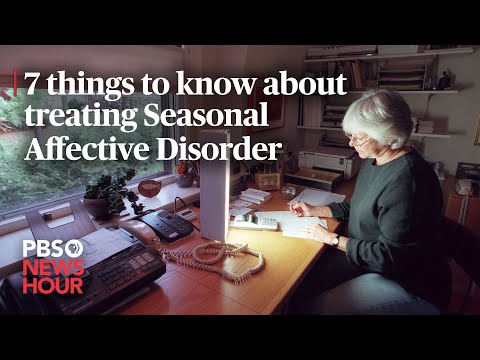
You know that feeling when winter drags on too long? The days are gray, and it’s like the sun has *totally* ghosted us. Seriously, it can really mess with your vibe.
A lot of people end up feeling down during this time of year. It’s called Seasonal Affective Disorder—or SAD for short. Sounds a bit dramatic, right? But trust me, it’s way more common than you think.
Here’s the thing: light plays a huge role in how we feel. Like, more than we realize! When the days are shorter and darker, our moods can take a nosedive.
But there’s hope! Let’s chat about how light can actually brighten up those gloomy days for people struggling with SAD.
Discover the Best Light Colors to Combat Seasonal Affective Disorder
So, let’s chat about Seasonal Affective Disorder (SAD) for a sec. You know how winter rolls around, and suddenly you feel like a bear who just wants to hibernate? That’s SAD for you. It’s that seasonal depression that kicks in when sunlight becomes scarce. And guess what? The light around you can actually make a difference in how you feel.
Light Colors Matter
Now, not all light is created equal. The colors of the light can have a huge effect on your mood. Bright whites or cool blues tend to be more energizing and can seriously boost your spirits. Those warmer yellow lights might feel cozy, but they can also make you sleepy—like curling up with a warm cup of cocoa in front of the fireplace. So yeah, it’s all about finding that right balance.
Here’s where it gets interesting:
- Cool White Light: This type mimics daylight and can help you feel more alert. Think of those LED bulbs that shine bright like the sun.
- Blue Light: Short wavelengths can boost your mood by increasing serotonin levels—a little chemical in your brain that helps regulate mood.
- Full Spectrum Light: This replicates natural sunlight and is particularly effective for combating SAD symptoms because it provides the full range of wavelengths.
- Natural Daylight: Whenever possible, open those curtains! Natural light is unbeatable when it comes to lifting your mood.
A little story for you: My friend Sarah struggled through many winters feeling down and exhausted when the days got short. She decided to try out some bright white LED lights throughout her home, especially in her workspace. Before she knew it, she was feeling more energetic and less foggy-headed during those dreary months.
The Science Behind It
So why does this all work? Well, our body has something called a circadian rhythm—kind of like an internal clock that tells us when to sleep and wake up based on light exposure. When that rhythm gets thrown off due to less natural light in winter, our mood takes a hit too.
Using bright cool or blue lighting can help reset this clock! Some people even use light therapy boxes that mimic daylight to gain some relief from SAD symptoms. It’s like getting a daily dose of sunshine…without the sunburn!
A Word on Timing
For those using artificial lights or therapy boxes, timing is key! Aim for around 20-30 minutes in front of these bright lights during the morning hours, preferably within an hour after waking up. This way, you’re kick-starting your day with some good vibes right from the get-go.
In short, if you’re feeling down as the days grow shorter, consider adjusting your light sources—both at home and at work—for brighter colors and brighter moods! It could really change how you experience winter—and who wouldn’t want that?.
Boost Your Mood: The Best LED Light Colors to Combat SAD
So, let’s chat about lighting and how it can totally change your mood, especially if you’re dealing with Seasonal Affective Disorder (SAD). You know how some days are just gray and gloomy? For those who feel the winter blues more than others, finding ways to boost your spirits is key. And that’s where light therapy comes into play.
First off, what’s SAD? Well, it’s a type of depression that happens at certain times of the year—most often in winter when there’s less natural sunlight. It can make you feel sluggish, down, and just not yourself. But hey, light therapy is a game-changer for many people battling those lows.
Now let’s talk about LED light colors. Different colors can have different effects on your mood. Here are some key points to consider when picking out LED lights:
- Bright White Light: This is the go-to for many. It mimics daylight and can really help lift your mood during those dreary months.
- Blue Light: Some studies suggest that exposure to blue light can be super effective against SAD symptoms. It works well because it helps regulate melatonin production—basically telling your body when it should feel awake or ready for sleep.
- Yellow and Amber Lights: These warmer tones can create a cozy atmosphere. While they might not be as effective as white or blue lights for treating SAD directly, they’re great for relaxation and winding down after a long day.
- Purple Light: This one is interesting! Some people find that purple light gives them energy while also being soothing. It’s worth trying if you’re looking for something different!
Let me share a little story with you. My friend Jenna always struggled with feeling down in the winter. She decided to try an LED light therapy box with bright white light every morning for about 30 minutes. Almost immediately she noticed a shift in her energy levels! It wasn’t magic; rather, her body was getting that much-needed sunlight mimicry to kick-start her serotonin and improve her overall mood.
Also worth noting: consistency is important here! You want to establish a routine so your body gets used to this new lighting situation. Set up a cozy spot at home where you can sit by your LED lamp while sipping coffee or catching up on reading.
But remember this isn’t a one-size-fits-all solution—it might take some trial and error to figure out which color works best for you personally. While bright white has been shown to help many people, maybe blue or even those warm amber tones resonate more with you.
In closing (not really closing but just wrapping this up!), using LED lights thoughtfully can definitely be an ally in fighting off the seasonal blues. Whether it’s boosting your mood directly through bright colors or creating comfy vibes with warmer hues, experimenting could lead you towards brighter days ahead!
Blue Light vs. White Light: Which is More Effective for Alleviating Seasonal Affective Disorder (SAD)?
Alright, let’s get into this light vs. light showdown when it comes to tackling Seasonal Affective Disorder, or SAD for short. This condition is like that cloud hanging over you during the darker months, right? Less sunlight can definitely make your mood dip. So, what do we know about blue and white light in this context?
Blue light therapy has gained a lot of attention recently. Researchers have found that blue light can be really effective in boosting your mood. One reason for this is that it targets a specific part of your eye called the melanopsin cells, which are sensitive to blue wavelengths. These cells send signals to your brain that help regulate your sleep-wake cycle and your mood. Pretty neat, huh?
Now, white light therapy, on the other hand, usually refers to lights that mimic natural daylight and can have both blue and yellow wavelengths. It’s more traditional in treating SAD and offers a fuller spectrum of light. Many people find it helpful because it creates a more balanced atmosphere.
So, which one’s better? Well, studies suggest that blue light therapy might work faster for lifting those winter blues. But don’t forget about white light—it tends to be gentler on the eyes over longer sessions since it’s not just blasting you with one wavelength.
Some folks even experience better results with a combination. Imagine getting that quick boost from blue light in the morning then settling into the warmth of white light later in the day. It sounds like hitting two birds with one stone!
But here’s something important: everyone’s different! What works wonders for one person might not do much for another. That’s why it’s essential to experiment a bit—if you’re trying out these therapies for SAD relief.
You might want to also consider duration. For instance, some studies show that sitting under blue light for about 30 minutes daily can be effective but also check how long you’re using white lights because some people prefer longer sessions.
Many users report feeling revived after consistent use of these lights; they notice less irritability and more motivation during those gloomy months. It makes sense when you think about how lighting affects our overall vibe!
So, you know how when winter rolls around, everything gets darker and colder? Yeah, that’s a bit of a downer for so many folks. If you’ve ever felt like your mood drops along with the temperatures, you might have come across this thing called Seasonal Affective Disorder, or SAD for short. It’s a real struggle, and honestly, it can hit hard.
I’ve seen it in my friend Sam. Every October when the days start getting shorter, he becomes a complete hermit. Like, seriously! He just wants to hibernate under blankets until spring shows up again. Sadness creeps in and just hangs around like that uninvited guest at a party who won’t leave. It’s tough to watch because Sam is usually this super upbeat person.
But here’s where light comes into play. Research shows that exposure to bright light can have an enormous impact on mood—like flipping a switch! You know those bright sunny days in the middle of winter when everything feels a tiny bit more bearable? That’s because our brains soak up natural light and start producing more serotonin—the happy chemical.
Some people find relief using light therapy lamps during the dreary months. These gadgets mimic sunlight and help kick-start your body’s natural rhythms back into gear. It’s like giving your brain a little nudge! Just sitting by one of these lamps while sipping coffee or reading can change everything. I remember when Sam got one last year; it was like watching him come back to life slowly but surely.
But hey, it’s not all about high-tech gadgets or spending loads of cash on fancy lamps. Even simple things can help brighten your mood—a walk outside during the day (even if it feels chilly), or opening curtains wide to let as much sunlight in as possible can make such a difference!
So yeah, while we may not be able to control the seasons—or those dark days—they don’t have to swallow us whole either. Little adjustments can lighten things up for those struggling with SAD, reminding us all that brighter days are ahead… even if they feel far away sometimes.