You know those silly quizzes and tests about how likable you are? Yeah, those ones. The ones you find on social media or late-night scrolling?
Well, there’s way more to them than just cute graphics and a few random questions. Seriously! They tap into some deep stuff about how we connect with each other.
Like, think back to that time you met someone new and just *clicked*. Was it their smile? The way they laughed at your terrible jokes? You probably felt drawn to them without even thinking about it.
We all wanna be liked, right? But what makes us feel that spark in relationships? That’s the juicy part we’re gonna dig into here. Let’s break it down!
Is Testing Your Partner a Sign of Toxicity in Relationships? Understanding the Impact on Mental Health
Testing your partner? Wow, that’s a loaded topic. It’s something many people grapple with while navigating the emotional maze of relationships. So let’s break it down: is testing a sign of toxicity? How does it mess with our mental health?
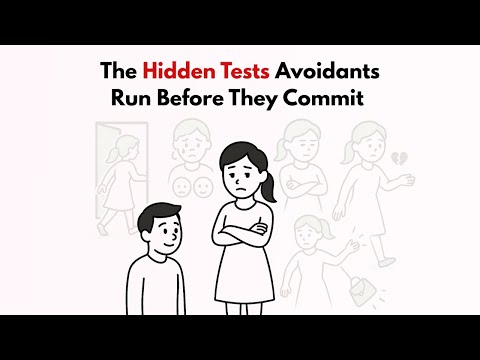
First off, what do we mean by “testing”? Well, it can be anything from asking your partner hypothetical questions to see how they respond to more manipulative tactics like trying to provoke jealousy. Some might think this is a way of gauging commitment or compatibility. But the truth is, these tests often stem from insecurities and fear.
Testing can lead to major trust issues, and that’s where the toxicity creeps in. If you’re constantly feeling like you have to prove your worth or love, then the relationship becomes more about competition than connection. That’s no way to build lasting intimacy.
Here are some key points to think about:
- Insecurity: If you find yourself testing your partner, it could indicate deeper insecurities within yourself. Do you feel unworthy of their love? These tests may temporarily soothe your fears but only create distance in the long run.
- Lack of communication: Testing usually suggests that honest conversations aren’t happening. Instead of openly discussing concerns, you’re resorting to indirect methods that leave both partners feeling frustrated or confused.
- Control issues: Sometimes testing comes from a place of wanting control over the relationship. But relationships thrive on mutual respect—not power plays.
Let me share a quick story here: I knew someone who constantly tested her boyfriend by checking if he would reply quickly to her texts or if he showed up early for dates. She thought she was just being playful, but inside she felt terrified he’d leave her for someone better. Over time, this made them both feel anxious and ultimately pushed him away.
And seriously, think about how all this affects mental health! Constantly questioning your partner’s intentions can lead to anxiety and even depression for both parties involved. It creates a cycle where each partner feels on edge—never quite certain if their love will be enough.
The bottom line? Testing can seriously damage trust in a relationship and isn’t an effective way to communicate feelings or needs. If you’re tempted to put your partner through those tests, maybe it’s worth taking a step back and figuring out what’s really going on inside you first.
Instead of sending out those baiting questions or playing mind games, try just talking openly with your partner about what scares you—like seriously having those real conversations! You’ll probably find that honesty brings more comfort than any test ever could!
Understanding Relationship Dynamics: Is Testing Your Partner a Form of Manipulation?
Understanding the dynamics of a relationship can be, well, complicated. When you think about «testing» your partner, it brings up a lot of feelings and questions. Is it just some harmless way to assess compatibility? Or is it actually manipulating the relationship?
Testing in Relationships often happens when one partner wants to see how the other will react in various situations. This can include things like seeing if they’re willing to make sacrifices or how they handle stress. The intention behind these tests can vary a lot from person to person. Sometimes, people do it out of insecurity; other times, it might stem from past experiences where trust was broken.
So you might wonder, when does testing become manipulation? Well, if the intention is to control or coerce your partner’s reactions because you’re feeling insecure or want power over them—that’s manipulation. It’s like holding a puppet string and pulling when you want them to dance. Not cool.
Think about this: imagine you’re trying to see if your partner really cares by ignoring them for a few days to see if they’ll chase after you. If they don’t react how you’d hoped, do you then use that as evidence they don’t love you? That’s not fair at all! Basically, you’re setting them up for failure instead of communicating openly about what you’re feeling.
Some common forms of testing include:
- Jealousy tests: Making a scene when an attractive person is around to see how your partner responds.
- Sacrifice tests: Asking your partner to drop plans for you and gauging their willingness.
- Emotional shutdown: Pulling away during tough times as a way of seeing who reaches out first.
Now let’s talk about the fallout from these behaviors. Testing can create a major rift between partners. Trust gets eroded because it turns into more about games than real feelings. Think of it like this: if every time there’s an issue, one partner resorts back to testing rather than having an honest conversation—it’s going nowhere good.
And here’s another thing: while some people might say “I just want to know,” what’s more effective is being direct about your concerns rather than playing mind games. If you feel uncertain, tell your partner why—it opens up pathways for bonding instead of building walls.
In short, if you’re questioning whether testing is crossing into manipulative territory, think about motives and outcomes. A healthy relationship thrives on communication and trust—not on tests that could leave scars down the line.
The bottom line? It’s important for both partners to feel safe and valued without having their love put under constant scrutiny or test scenarios. So yeah, maybe pause before putting those little tests into action!
You know, when it comes to relationships—whether it’s friendships, dating, or family dynamics—likability seems to be this unwritten rule we all seem to follow. We’ve all encountered those moments where we just hit it off with someone, right? It’s like an instant connection. But then there are also those awkward times when you feel like you’re failing a likability test.
So what’s up with that? Well, psychology plays a huge role in how we perceive likability. The thing is, humans are wired for connection. We want to feel understood and accepted. Those quick judgments we make about people often come from our subconscious reading of their social cues, body language, and even tone of voice. Are they smiling? Do they seem engaged? All these tiny signals can influence our first impressions.
Think about it: remember that time you met someone new at a party? You were probably scanning the room for vibes. Was this person open, warm, maybe even funny? Or did they give off more of a reserved energy that made you hesitate? That initial likability might steer your whole interaction. One bad vibe can totally change the course of a conversation!
But here’s where it gets tricky: sometimes we overthink things or put too much pressure on ourselves to be likable. It’s as if we’re walking around with an invisible scorecard. I know I’ve felt that pressure when meeting new people; you suddenly become hyper-aware of every word and gesture. And honestly? It can be exhausting! A friend once told me she bombed a first date because she was too focused on being “perfectly charming” instead of just being herself.
There’s also the aspect of similarity—it’s easier to like someone who mirrors our interests or values. It’s kind of funny how most people bond over shared experiences or mutual friends; it gives us a sort of shortcut in getting along with each other.
However, don’t forget about authenticity! In trying too hard to be liked, we risk losing who we truly are—and that’s never gonna lead to real connections anyway. Real bonds are built on honesty and trust rather than checking boxes on some imaginary likability scale.
So what’s my takeaway here? Be yourself; that’s the real magic formula for building meaningful relationships. Sure, some folks will click with you instantly while others may take more time—or not at all—and that’s okay! Just remember: everyone has their own quirks and preferences as well as their own weird little “tests” for likability; it’s what makes us human after all!