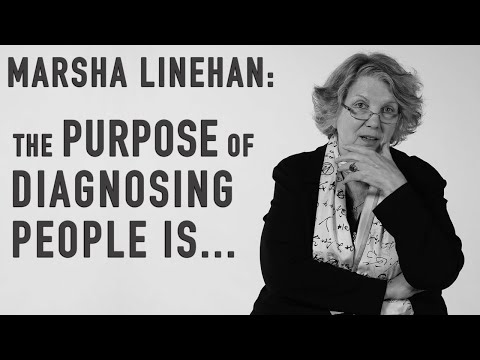
Hey, have you ever heard of Marsha Linehan? If you’re into mental health stuff, she’s kinda like a rockstar in that world. Seriously.
She created Dialectical Behavior Therapy, or DBT for short. It’s like a lifeline for so many people dealing with emotional struggles. And it’s not just a therapy; it’s a whole approach to life.
I mean, picture someone who’s been through the wringer and somehow turned their pain into something positive. That’s Marsha for you! Her work has changed the game and helped countless folks find their footing.
So let’s dive into how she reshaped modern mental health approaches. You might find it pretty inspiring!
The Journey of Marsha Linehan: The Development of Dialectical Behavior Therapy (DBT)
Marsha Linehan’s journey is a fascinating tale of resilience and innovation in the field of mental health. She developed something called Dialectical Behavior Therapy (DBT), which has made a huge impact on how we treat people with serious emotional challenges.
Linehan herself faced significant struggles. In her young adulthood, she battled with severe mental health issues, including suicidal thoughts and behaviors. It was a tough road, you know? But instead of letting it define her, she channeled those experiences into something positive.
She started her academic journey with a focus on psychology, eventually getting her Ph.D. from the University of Washington. That’s where she began to realize that many traditional therapies weren’t cutting it for people dealing with chronic emotional distress. She saw gaps in treatment for individuals with Borderline Personality Disorder (BPD), in particular. The thing is, these individuals often felt like they were living life on a rollercoaster—intense emotions swinging them from one extreme to another.
So, Marsha created DBT in the late 1980s as a way to help these folks manage their emotions more effectively. DBT mixes behavioral techniques with mindfulness practices. This combination helps people become more aware of their thoughts and feelings without being overwhelmed by them.
Key components of DBT include:
- Mindfulness: Learning to be present in the moment.
- Interpersonal Effectiveness: Building healthy relationships.
- Emotional Regulation: Managing intense emotions.
- Distress Tolerance: Handling crises without blowing up or shutting down.
The mindfulness piece is particularly interesting—it’s about noticing your feelings without judgment. Imagine sitting quietly and simply observing your thoughts like clouds drifting by. You don’t have to grab onto them; just let them pass.
Marsha didn’t just stop at creating DBT; she also trained countless therapists worldwide on how to use it effectively. Her methods have led to better outcomes for many patients struggling with BPD and other disorders.
Over the years, Marsha faced criticism too—there were skeptics who thought her approach was too gentle or soft for severe issues. But she persisted, believing that compassion could coexist with accountability in therapy.
Thanks to her dedication and vision, DBT is now widely recognized as an effective treatment modality not just for BPD but also for conditions like depression, substance abuse, and PTSD.
In summary, Marsha Linehan took her life experiences and transformed them into something powerful for others battling similar struggles. Through DBT, she has given countless people tools they can use every day to cope better and live more fulfilling lives—and that’s pretty remarkable!
Understanding the Marsha Linehan Method: A Guide to Dialectical Behavior Therapy
Dialectical Behavior Therapy, or DBT for short, was created by Marsha Linehan back in the late 1980s. The method was primarily designed for people with borderline personality disorder (BPD), but over the years, it’s been adapted for all sorts of emotional issues. So let’s break down what DBT is all about and why it’s become such a big deal in mental health treatment.
To start with, DBT combines traditional talk therapy with specific behavioral skills training. The goal here is pretty clear: help you manage intense emotions and improve relationships. It’s all about finding balance—hence the name «dialectical.» You’re learning to accept where you’re at while also pushing for change.
One of the most powerful elements of DBT is its focus on four main skill sets:
- Mindfulness: This part teaches you to be present and aware of your thoughts and feelings without judging them. Imagine sitting quietly and noticing your breath or sounds around you. It’s like hitting pause on life.
- Distress Tolerance: Life can throw some serious curveballs sometimes. Distress tolerance skills help you cope with crisis situations in healthy ways instead of resorting to self-destructive behaviors.
- Emotional Regulation: Here, you’re learning how to identify emotions more clearly and manage them effectively, rather than letting them take over your life.
- Interpersonal Effectiveness: This focuses on improving communication skills and learning how to set boundaries while still being assertive. You want to get your needs met without blowing up relationships.
Now, Marsha Linehan’s own story gives a unique lens on why she developed DBT. She herself experienced mental health issues in her youth—struggling with suicidal thoughts and feelings of emptiness. That personal experience fueled her desire to create a therapy that was compassionate yet practical.
What makes DBT stand out from other therapies? For one thing, it emphasizes validation along with acceptance. It’s like saying, “I see where you’re coming from.” This can genuinely make a difference when you feel overwhelmed by your emotions.
Another key aspect is the structured approach of combining individual therapy sessions with group skills training sessions. In those group settings, you get support from peers who are dealing with similar struggles. It’s kind of like a support network built right into the process.
Also noteworthy is Linehan’s focus on therapeutic relationships. She put a lot of emphasis on building trust between therapist and client because that connection can foster real change.
In terms of effectiveness, various studies have shown that DBT not only helps reduce self-harming behaviors but also lowers rates of hospitalization among people struggling with BPD symptoms.
So there you have it! Dialectical Behavior Therapy isn’t just another fad—it’s rooted in deep understanding and compassion for those facing complex emotional challenges. Thanks to Marsha Linehan’s influence, many folks have found hope through its unique blend of acceptance and change techniques.
Exploring the Impact and Achievements of Marsha Linehan in Mental Health
Marsha Linehan is like a rock star in the mental health world, you know? She’s the brains behind *Dialectical Behavior Therapy* (DBT), which has changed how we help people with really tough mental health issues, especially those dealing with borderline personality disorder (BPD).
DBT is kind of a big deal because it combines cognitive-behavioral techniques with mindfulness strategies. This was revolutionary at the time. Basically, she found that combining these approaches could help clients learn to manage their emotions and build better relationships. It’s not just about talking; it’s about real-life skills.
Linehan’s work wasn’t just theoretical. She also brought her ideas into practice. She founded the Behavioral Tech organization, which trains therapists in DBT methods. Thanks to her efforts, thousands of therapists now have access to tools that can really change lives.
She also made waves by being open about her own struggles with mental illness. That honesty helped destigmatize mental health issues and showed that recovery is possible. I mean, think about it! When she talked about her own experiences with BPD, it gave hope to so many people feeling lost and alone.
Another major impact? The research backing DBT has grown tremendously since its inception, proving its effectiveness over time. Major studies have shown that DBT can significantly reduce self-harming behaviors and improve emotional regulation in those who struggle with their emotions intensely.
Here are a few key accomplishments of Marsha Linehan:
- Development of Dialectical Behavior Therapy.
- Creation of training programs for therapists.
- Advocating for mental health awareness through her personal story.
- Contributions to research validating DBT’s effectiveness.
Her influence goes beyond BPD too! Many other disorders are now being treated through the lens of DBT principles, showing just how adaptable and effective these techniques can be across various challenges like anxiety or depression.
In short, Marsha Linehan has not only shaped modern approaches to treatment but has also inspired countless individuals on both sides of the therapist’s couch—clients seeking help and professionals eager to learn how to provide it more effectively. It’s incredible what one person can accomplish when they dive deep into understanding human experience!
Marsha Linehan is sort of a big deal in the world of mental health. If you’ve ever heard of Dialectical Behavior Therapy (DBT), well, you can thank her for that. It’s wild to think how one person’s experiences can change an entire field, right?
Linehan developed DBT for folks struggling with borderline personality disorder, but what really stands out is how she brought emotion and validation into therapy. She had her battles too—dealing with her own mental health struggles gave her insights that few others could really grasp. That’s something that resonates deeply; it’s like she turned her pain into a powerful tool to help others.
One thing that’s super interesting about DBT is its focus on balancing acceptance and change. You’ve got to accept where you’re at emotionally while also figuring out how to move forward. It’s not just about telling someone to “just get over it.” Instead, it’s this gentle nudge that says, “Hey, your feelings are valid, but let’s work together to find a way through.” That dual approach feels so fresh compared to more old-school methods that sometimes ignored the emotional side of things.
I remember chatting with a friend who went through DBT. She said it was like learning how to ride a bike for the first time—wobbly at first but eventually liberating and empowering. The skills she picked up helped her navigate life in ways she’d never imagined possible before. It was all about learning mindfulness techniques and distress tolerance skills—like if she felt overwhelmed or triggered, she had actual tools at her fingertips instead of feeling lost in the chaos.
The ripple effect of Linehan’s work goes beyond just individuals in therapy rooms. Many clinicians now integrate her ideas into their practices because they see how effective they are. And when therapists connect better with clients—like really getting where they’re coming from—it makes the whole healing process feel more human and relatable.
So, honestly? Marsha Linehan’s influence is massive and continues to shape how we think about mental health today. Her approach gives people hope—and isn’t that what it’s all about? Healing isn’t a straight path; it’s messy and complicated. But having someone like Linehan around reminds us that there’s light on the other side, even when it seems far away.