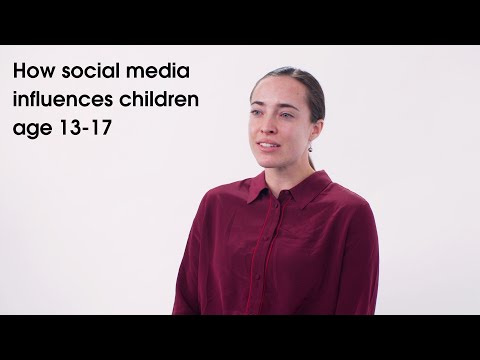
So, let’s talk about social media. You know, the thing we all scroll through like it’s second nature? It’s like an endless buffet of posts, pics, and stories. Some days it feels like a blast, while other days? Yeah, not so much.
You ever catch yourself comparing your life to that perfect beach selfie or the epic vacation pics everyone seems to post? Seriously, it can mess with your head.
But here’s the thing: social media isn’t all bad. It can connect us in ways we never thought possible. Still, there’s this fine line between connection and isolation.
Let’s dig into how those little screens might be affecting our mental health—like, what does it all really mean for us? You with me?
Exploring the Effects of Social Media on Mental Health: Download Our In-Depth Research Paper PDF
Social media. It’s everywhere, right? And while it connects us like never before, its effects on our mental health can be a mixed bag. Let’s break this down, shall we?
First off, one of the biggest issues with social media is comparison. You scroll through your feed and see people living their best lives—exotic vacations, perfect relationships, and killer outfits. But guess what? Most of that stuff is just a highlight reel. This can make you feel like you’re not measuring up, which can lead to feelings of inadequacy or even depression.
Then there’s the whole addiction factor. You know how easy it is to lose track of time scrolling? It’s designed to keep you engaged! But if you’re spending hours online instead of interacting with the world around you, that can seriously mess with your mood and sense of self-worth.
Another thing to think about is cyberbullying. It’s taken things to a whole new level. It can happen 24/7 and often feels inescapable. The emotional toll from negative comments or targeted harassment can be devastating. Seriously, it affects how safe and secure you feel in your own skin.
On the flip side, social media also has its perks. For instance, it can foster a sense of community and support. If you’re going through something tough—like anxiety or grief—finding others who share those experiences online can be super comforting. You’re not alone in your struggles!
But let me tell you about something else—the fear of missing out (FOMO). Seeing friends hang out without you can trigger anxiety and loneliness. This fear isn’t just about events; it’s also tied to the constant updates from social media that make you feel like there’s always something happening that you’re not part of.
Then there’s the impact on sleep patterns. People tend to check their phones right before bed (and often wake up to notifications). This habit disrupts your sleep cycles, making it harder to get quality rest. Trust me; sleep impacts your mood more than you’d think!
Another important angle is how social media affects relationships with others in real life. It seems easier to connect online rather than face-to-face sometimes—but when was the last time you had a good laugh with someone in-person? That genuine connection is essential for mental well-being.
Exploring the Impact of Social Media on Mental Health: Key Insights and Strategies
Social media is like that double-edged sword, you know? On one hand, it’s an awesome way to connect with friends and share moments, but on the other hand, it can really mess with your head. So, let’s break down how social media can impact mental health and what you might do about it.
First off, let’s talk about **comparison culture**. When you scroll through Instagram or TikTok, it’s easy to fall into the trap of comparing yourself to others. You see perfectly filtered photos of people living their «best» lives. This can lead to feelings of inadequacy or low self-esteem. Seriously, who hasn’t thought, “Why don’t I look like that?”
Then there’s the issue of **cyberbullying**. It’s a sad reality these days. People can hide behind screens and say things they’d never say in person. It hurts deeply and can lead to anxiety or depression for those on the receiving end. Remember when that story popped up about a teenager who faced harassment online? That was heartbreaking.
And let’s not forget about **information overload**. With so much news flying around—some real, some fake—it’s hard to filter through it all without feeling overwhelmed or stressed out. You might find yourself anxious about world events you have zero control over.
So what can you do? Here are a few strategies:
- Limit Your Use: Try setting boundaries for how much time you spend on social media daily.
- Curate Your Feed: Follow accounts that inspire you and bring positivity into your life instead of negativity.
- Unplug Regularly: Taking breaks from social media—like a whole weekend—can help clear your mind.
- Engage in Real-Life Connections: Make sure you’re also spending time with friends in person rather than just through screens.
Sometimes taking a step back is all you need to regain perspective. Remember my friend Sarah? She used to spend hours scrolling online until she realized she was feeling miserable afterward. She took a break from social platforms and focused instead on hobbies she loved. Painting again brought her so much joy!
Honestly, staying mindful of how social media affects your mood is important. Pay attention to those feelings; if something doesn’t sit right with you after scrolling, maybe it’s time for a change. The key takeaway? Use social media as a tool for connection without letting it take over your emotional well-being!
The Impact of Social Media on Mental Health: Insights from Recent Research
Social media has taken over our lives, hasn’t it? It’s like a double-edged sword—providing connection and community but also stirring up some serious mental health concerns. Recent studies show that using platforms like Instagram or TikTok can really affect how we feel about ourselves and the world around us.
First off, there’s this idea of **comparison**. We scroll through perfectly curated posts and, let’s be real, it’s hard not to compare ourselves to others. You see someone on a beach looking flawless, and it’s natural to think, “Why don’t I look like that?” This constant comparison can lead to feelings of inadequacy and low self-esteem.
Then there’s **FOMO**, or fear of missing out. You know that feeling when you see your friends hanging out without you? It can create anxiety and a sense of loneliness. Research has linked high social media use with increased anxiety levels. Basically, the more you’re online, the more you might feel like you’re not part of the crowd.
Another thing to consider is the issue of **cyberbullying**. Social media can be a playground for hurtful comments and negative vibes. Those who experience bullying online often suffer from serious mental health challenges such as depression or even suicidal thoughts. Just think about how harsh people can be behind a screen—it’s shocking.
But hey, it’s not all doom and gloom! Social media can also have positive effects if used wisely. Like connecting with supportive communities or finding resources for mental wellness. Finding people who get what you’re going through can feel pretty awesome!
Moreover, research shows that expressing yourself through social media—like sharing your journey or art—can boost self-esteem and foster creativity. It’s all about balance; engaging in healthy ways can keep the negatives at bay.
Social media, right? It’s everywhere these days. And if you’re like me, you probably find yourself scrolling through your feed more often than you’d care to admit. Let’s be real, it can be a double-edged sword when it comes to mental health.
On one hand, social media helps us connect with friends and family. It’s that instant shout-out from an old buddy or the funny meme that brightens your day. I remember this one time when I was feeling pretty down, and a friend shared this hilarious video that just cracked me up. For a moment, my worries faded away. That’s the power of connection—it can lift you out of a funk.
But then there’s the flip side. You know how you sometimes see those perfect vacation photos or beautiful lifestyles online? It’s easy to fall into the comparison trap, feeling like everyone else has it all figured out while you’re just… well, trying to find your shoes in the morning! Social media can create this impossible standard we strive for but never quite reach.
Research shows that excessive use can lead to feelings of anxiety and depression—like when you scroll late at night and suddenly realize hours have passed while you’re just watching people live their best lives. It’s draining! The likes and comments create this weird cycle of validation that’s hard to break free from.
And let’s not forget about cyberbullying; it’s real and it hurts. When you put yourself out there online, you open up to all kinds of reactions—even negative ones—from total strangers who wouldn’t dare say those things face-to-face.
So what do we do? We gotta find balance in this world of likes and shares. Maybe take a break from scrolling every once in a while or curate your feed so you’re seeing more positivity instead of pressure? Surround yourself with folks who lift you up instead of drag you down.
Ultimately, social media can be a great tool for connection and support if used mindfully; but it’s key to remember it doesn’t define our worth or happiness!