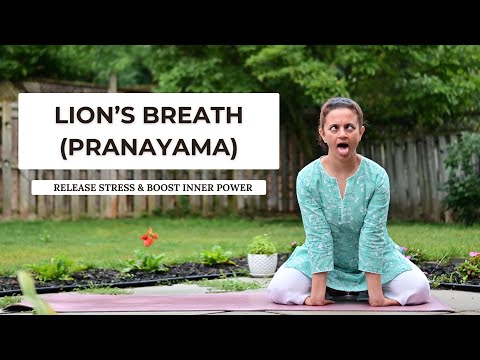
So, have you ever heard of Lion’s Breath? It’s this cool breathing technique that’s, like, been around forever. Seriously, it might sound a little out there at first, but trust me—there’s something to it.
When life throws curveballs at you, finding your calm can feel impossible. That’s where this breathing exercise comes in. It’s not just about inhaling and exhaling; it’s like a little power-up for your mind.
You know how sometimes you just need to shake things off and roar? Well, Lion’s Breath is all about that! It helps you tap into your inner strength and resilience. So let’s dig into how this simple practice can give your mental game a solid boost!
Unlock Mental Clarity: Discover the Best Pranayama Techniques for Enhanced Focus
Pranayama, which comes from ancient yogic traditions, is all about controlling your breath to help manage your energy and state of mind. You might not think of breathing as a big deal, but it can seriously change how you feel and think. Like, if you’re feeling all over the place or stressed out, learning some simple pranayama techniques could help you gain that mental clarity you’re craving.
One technique that often gets mentioned is **Lion’s Breath**. This one’s pretty cool and can be super empowering. You basically take a deep breath in through your nose, then let it out through your mouth while sticking out your tongue and making a roaring sound—hence the name! It sounds silly, but using this kind of expressive exhale can really help release tension.
When you do Lion’s Breath, you’re not just blowing off steam. The act itself helps in grounding you. It can enhance **mental resilience**, which means you’ll be better equipped to handle whatever life throws at you. You know how sometimes just letting out a big sigh feels good? It’s like that but on steroids!
Now let me break down how Lion’s Breath actually works:
It might help to imagine this: picture sitting in a not-so-great meeting where the energy is low and everyone seems disengaged. If you take a moment during a break to do several rounds of Lion’s Breath, you’d probably feel quite refreshed when you head back in.
Just be careful with it! If you’re doing this for the first time or have any medical concerns with breathing (like asthma), maybe check with someone who knows their stuff before jumping in headfirst.
So, if you’re looking for enhanced focus and some **mental clarity**, give Lion’s Breath a shot! It’s quick, free, and honestly kinda fun—who doesn’t want to unleash their inner lion once in a while?
Who Should Avoid Lion’s Breath? Understanding the Risks and Considerations for Mental Health
Sure! Let’s chat about Lion’s Breath, or “Simhasana Pranayama”, which is a breathing technique from yoga that’s said to enhance mental resilience. It can be super beneficial, but there are definitely some folks who should think twice before diving into it.
First off, Lion’s Breath involves taking a deep inhale through your nose and then exhaling loudly through your mouth while sticking out your tongue and making a roaring sound. Sounds fun, right? But like anything else, it’s not for everyone.
1. Mental Health Disorders: If you’ve got anxiety disorders or PTSD, this technique might not be the best fit. Seriously, intense breathing exercises can sometimes amplify feelings of panic or make flashbacks worse for some people. Your breath is powerful—it can trigger emotional responses you might not be ready to handle.
2. Respiratory Issues: If you’ve got asthma, chronic obstructive pulmonary disease (COPD), or any kind of serious respiratory condition, it’s wise to avoid this practice unless you’ve got a heads-up from your healthcare provider. The last thing you want is to feel short of breath when you’re trying to relax.
3. High Blood Pressure: For anyone who deals with high blood pressure or heart conditions, deep breathing exercises that include forceful exhalations could raise your heart rate unexpectedly. It would probably be better to stick with calmer techniques that keep things gentle.
4. Pregnancy Considerations: Pregnant folks should be cautious too! While some forms of breathwork can be soothing during pregnancy, the intense nature of Lion’s Breath might not be safe for every stage or individual experience. So checking in with your doctor could help keep things on the safe side.
Hmm… I once heard about this woman named Clara who was really into yoga and loved trying new techniques. One day she decided to try Lion’s Breath because she thought it would boost her mood after a rough week at work. But instead of feeling empowered and relieved, she ended up feeling dizzy and overwhelmed after just a few breaths! Turns out she has anxiety issues that were stirred up by the intensity of it all.
So in essence:
- Be mindful if you have anxiety disorders.
- Take caution if you have respiratory problems.
- If you’re dealing with high blood pressure, consider avoiding it.
- Pregnant individuals should consult their healthcare provider.
All in all, Lion’s Breath could be amazing for some people looking to boost their mental resilience—but there are definite considerations to keep in mind if you’re dealing with certain health issues. Always better to stay informed and safe!
Exploring the Side Effects of Lion’s Breath: What You Need to Know for Mental Well-Being
While Lion’s Breath, or **Simhasana Pranayama**, isn’t some magical solution, many people find it a helpful practice for boosting mental resilience. It’s a breathing technique rooted in yoga. But before jumping in headfirst, it’s good to take a closer look at potential side effects that could pop up while doing this practice.
First off, Lion’s Breath involves inhaling deeply and exhaling forcefully while making a lion-like roar. Sounds intense, right? Well, that’s because it is! One of the main side effects could be lightheadedness. If you’re not used to deep breathing exercises, this might catch you off guard. It’s like that dizzy feeling you get when standing up too quickly after sitting for too long; just take it slow.
Also, some folks might feel their throat tighten after roaring. This can happen if you’re not relaxed enough or pushing too hard. Remember to keep things gentle and fun—like playing around with an old friend! Inhaling deeply should feel good and not restrictive.
Another point to consider is anxiety levels. For those already dealing with anxiety or panic attacks, the vigorous nature of Lion’s Breath might actually heighten those feelings at first. It’s kind of like when you hear a loud noise unexpectedly; your body goes into fight-or-flight mode before cooling down again. You know your own limits best—if you start feeling more anxious, back off a bit!
And let’s not forget about posture! While you’re trying out this breath technique, maintaining proper alignment is essential. If you’re slouched over, it could lead to neck strain or back pain afterward. Think about how you sit when you’re really focused on something; keeping that alignment helps everything flow smoothly.
So maybe after giving it a go, it’s smart to check in with yourself: How do you feel? Are there any unexpected reactions popping up? Speaking from experience, I once dove into a new breathing exercise and totally ended up with sore shoulders simply from not being aware of my posture!
To sum up:
- Lightheadedness: Take deep breaths slowly.
- Tight throat: Keep it gentle and playful!
- Anxiety rush: Know your limits.
- Poor posture: Ensure proper alignment.
In the end, Lion’s Breath can be an exciting way to engage with your mental well-being if approached mindfully and with self-awareness. Like any practice related to mental health, being attuned to your reactions makes all the difference in how beneficial—or challenging—it can be for you!
You know, sometimes life throws us some pretty heavy stuff, and it can feel like we’re just trying to keep our heads above water. That’s where little practices like Lion’s Breath, or Simhasana Pranayama, come into play. Seriously, it might sound a bit quirky at first—they say you’re supposed to roar like a lion—but hang on a sec. There’s more to it than just making funny noises.
I remember the first time I tried it. I was feeling super stressed about a work project that seemed impossible. I went to this yoga class, and the instructor led us through Lion’s Breath. At first, I felt awkward. I mean, who wants to roar in front of strangers? But then I let loose! And wow—there was something freeing about it. That deep inhale followed by a big exhale and the roar? It felt like all my anxiety was just flowing right out of me.
The thing is, Lion’s Breath isn’t just about making noise; it’s about connecting with your inner strength and letting go of what doesn’t serve you anymore. When you take that deep breath in and then release it with sound, it’s almost like you’re shaking off the weight of the world for a moment.
It helps enhance mental resilience by calming your nervous system while energizing you at the same time. By focusing on your breath and engaging your body fully—stretching your face muscles, opening your mouth wide—you send signals to your brain that everything’s going to be okay. You’re telling yourself: “Hey, I got this!”
And honestly? It changes how you face challenges afterward too. When you’ve had that bit of release—when you’ve roared away those worries—you approach stressors with more confidence. It’s like giving yourself mental armor before heading into battle.
So if you’re feeling swamped by life’s demands or just need a little boost on tough days, why not give Lion’s Breath a shot? It could be that simple yet powerful tool you’ve been looking for to build up resilience against whatever life throws your way!