Hey, have you ever thought about why some people seem to connect easily while others struggle? It’s all about attachment styles, my friend. Seriously.
You know those patterns we develop in relationships? They start way back in childhood and stick around like that one annoying song you can’t get out of your head.
Understanding these styles can totally change the way we see our own relationships. Imagine figuring out why you sometimes feel anxious or clingy or maybe totally avoidant.
So, come on! Let’s break it down together and see what makes your connection game tick.
Understanding the 4 Attachment Styles in Psychology: A Guide to Healthy Relationships
Understanding attachment styles can totally change how you see relationships. It’s like, figuring out why you connect with people the way you do. There are four main types of attachment styles in psychology: secure, anxious, avoidant, and disorganized. These styles develop early on, based primarily on how caregivers interact with us as kids. Let’s break them down.
Secure Attachment is basically the gold standard. People who have this style feel comfortable with intimacy and can communicate their needs well. They’re balanced—like, they trust their partners but also value independence. Imagine someone who can share their feelings without freaking out or pushing others away—that’s pretty much it!
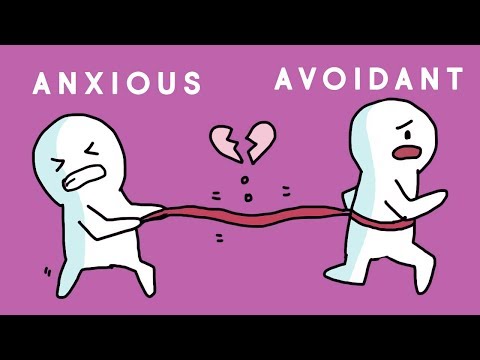
Anxious Attachment can feel like a rollercoaster ride. Individuals here often worry about being abandoned and tend to crave closeness but might come off as clingy or overly sensitive to any perceived signs of rejection. For example, if they send a text and don’t get an immediate reply, they might start spiraling into thoughts like “What did I do wrong?” This style usually stems from inconsistent caregiving in childhood.
Then there’s Avoidant Attachment. People with this style generally prefer emotional distance—they might seem really self-sufficient but often struggle with intimacy and expressing feelings. They might say things like, “I don’t need anyone” or “I’m fine on my own.” This approach often results from caregivers who were emotionally unavailable or dismissive during childhood.
Finally, we have Disorganized Attachment, which is a bit of a mixed bag. Folks here may display confusing behaviors toward relationships; they want closeness but also fear it because of trauma or inconsistent parenting in their early years. It’s like they’re caught in a tug-of-war between wanting love and being scared of it at the same time.
Understanding these styles is super important for building healthy relationships. You see, when you recognize your attachment style—and maybe your partner’s too—you can start making more conscious choices about how you interact with each other.
So take time to reflect on your past experiences and current habits in relationships; it just might illuminate some patterns that explain why things play out the way they do!
Discover Your Attachment Style: Take the Ultimate Attachment Styles Test
Alright, let’s dig into attachment styles. You know, the way we connect with others often goes back to how we bonded with our caregivers when we were kids. This stuff is super fascinating and can really open your eyes to your behavior in relationships.
So, basically, there’s a framework called **attachment theory**, which outlines different ways that people bond with others. These styles can be pretty much grouped into four categories: secure, anxious, avoidant, and disorganized. Each of these shapes how you interact in relationships—whether romantic or platonic.
Secure Attachment is the gold standard. People with this style feel comfortable letting others in and also have no problem setting boundaries. They trust easily and communicate openly. Imagine someone who can express their feelings without freaking out or clamming up—totally healthy!
Then there’s Anxious Attachment. Folks with this style often worry about their relationships and crave closeness. They might feel insecure and need constant reassurance from their partners or friends. Think of that friend who always needs you to text back immediately; they just want to know you’re there for them.
Next up is Avoidant Attachment. This style is a bit more complex. People who have an avoidant attachment want closeness but have a hard time really getting into it emotionally. They often pull away when things start getting too intense or personal. Picture someone who always changes the subject when feelings come up—that’s the avoidant vibe.
Finally, there’s the Disorganized Attachment. This one is tricky because it combines elements of anxious and avoidant styles. It often comes from trauma or inconsistent caregiving in childhood, leading to confusion about relationships as an adult. You might find yourself wanting connection but also feeling terrified of it at the same time.
So why does this matter? Understanding your attachment style can really help you navigate your relationships better! You’ll start seeing patterns in how you react to people and why certain dynamics keep popping up for you.
Now, if you’re itching to figure out your own attachment style, consider taking an «attachment styles test.» These are usually pretty straightforward questionnaires where you answer questions about your feelings in relationships. Just keep it casual! It’s all about self-reflection rather than scoring points or anything.
In summary:
- Secure: Trusts easily; communicates freely.
- Anxious: Seeks closeness; craves reassurance.
- Avoidant: Wants connection but pulls away.
- Disorganized: Conflicted feelings due to past trauma.
Once you know where you stand, it’s like having a map for your emotional landscape! Plus, if you’re involved with someone else who knows their style too? Well, that’s like having double GPS for navigating all those crooked paths love can take!
Understanding Attachment Styles in Psychology: A Comprehensive Guide with Examples
Understanding attachment styles is all about how we connect with others, especially in relationships. The way we form bonds can really shape our experiences and emotional well-being. So, let’s chat about the different attachment styles and what they mean for you and your connections.
Attachment Theory Basics
The concept of attachment styles comes from a psychologist named John Bowlby. He believed that the way we attach to our caregivers as kids influences how we relate to others as adults. There are four main attachment styles: secure, anxious, avoidant, and fearful-avoidant.
1. Secure Attachment
People with a secure attachment style usually have healthy relationships. They feel comfortable with intimacy and are open to both giving and receiving love. This style often stems from caregivers who were responsive and supportive during childhood.
Example: Imagine you have a friend who always seems chill in relationships—they’re not afraid of getting close, but they also respect boundaries. That’s secure attachment working its magic.
2. Anxious Attachment
If you’re on the anxious side, you might crave closeness but also worry about your partner’s commitment or feelings towards you. Often this style develops from inconsistent caregiving—getting attention sometimes but being neglected at other times.
Example: Picture a person who texts their partner constantly when they don’t respond right away, feeling insecure about their love. That’s anxious attachment rearing its head.
3. Avoidant Attachment
Avoidant individuals typically value their independence highly and may avoid emotional closeness in relationships. They often had caregivers who were distant or unavailable emotionally.
Example: Think of someone who keeps partners at arm’s length, making excuses not to get serious or dive deep into feelings—they might say they need «space» a lot!
4. Fearful-Avoidant Attachment
This one’s a bit of a mix between anxiety and avoidance. People with this style desire closeness but also fear intimacy due to past trauma or negative experiences with caregivers.
Example: You might know someone who’s all over the place in relationships—one minute they’re super affectionate, the next, they’re pulling away because they’re scared of getting hurt.
Why Does It Matter?
Understanding these styles can help you reflect on your own behavior in relationships. Are you quick to push people away? Or do you find yourself constantly seeking reassurance? Recognizing your patterns can lead to healthier connections and personal growth.
So yeah, by learning about these attachment styles, you can start navigating your relationships more effectively—and letting go of some of those old habits that don’t serve you anymore! Just remember that it’s totally possible to work on your attachment style over time; you’re not stuck with it forever!
Alright, so let’s chat about attachment styles in psychology. This is one of those topics that can get super deep, but I’m here to break it down casually, like we’re just hanging out.
First off, what even are attachment styles? Well, you know that feeling you get when you’re super close to someone? Or maybe when things get rocky and you feel anxious or shut down? That’s where attachment styles come in. They’re basically how we connect with people based on our experiences—mostly from childhood with our caregivers, but they stick around into adulthood.
There’s this whole range of styles: secure, anxious, avoidant, and disorganized. Each of these impacts how we relate to friends, partners—pretty much everyone in our lives.
I remember this one time a friend told me how she always felt a bit clingy in relationships. She’d text a million times if her boyfriend didn’t respond right away. It turned out she had an anxious attachment style from childhood; her parents were sometimes there and sometimes not. Understanding this really helped her see where those feelings were coming from.
Let’s be real—it can be a bit confusing. Like, why do some folks have an easier time trusting others while some just can’t seem to open up? That’s clearly rooted in their past experiences! Secure types usually had pretty stable backgrounds and learned that it’s okay to rely on others. Anxious types often crave closeness but fear abandonment—hence the worry when they don’t hear back from someone. Avoidant types tend to keep their distance because opening up feels too risky for them.
Then there’s disorganized attachment—a mix of everything chaotic that leaves people feeling lost in relationships. Think about it: one minute they’re all in; the next they’re pulling away like it’s an emotional game of tag.
If you think about your own relationships—friends or partners—you might see these patterns play out too. It’s like we’re all walking around with these invisible tags on us based on our experiences! But the good news is that recognizing your style can seriously help you navigate life better.
Knowing about these styles isn’t just for psychology nerds; it can totally transform how you approach your connections with others! Like my friend who found peace through understanding her anxious tendencies—it’s like shedding layers and finally breathing easy around people.
So yeah, understanding attachment styles gives us insight into ourselves and those we care about. It opens the door for healthier connections if we want to take that step. And honestly? That’s something worth exploring together!