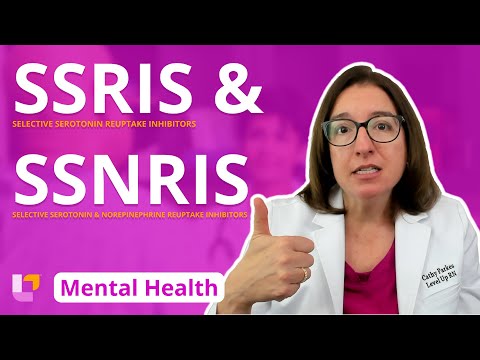
Hey there! So, let’s talk about something that’s been a big deal lately—SSRIs. You know, those medications everyone seems to mention when discussing mental health?
They’re kind of like the go-to options for fighting off the blues or anxiety. But do they really work? I mean, it’s not just as simple as popping a pill and feeling better overnight, right?
Honestly, it can feel overwhelming with all the info out there. But don’t worry! I’ll break it down in a way that actually makes sense. Let’s figure out what SSRIs are all about together!
Top 5 SSRIs: Discover the Most Effective Selective Serotonin Reuptake Inhibitors for Mental Health
So, let’s chat about SSRIs, or selective serotonin reuptake inhibitors. These are a type of medication commonly used to treat various mental health conditions like depression and anxiety, you know? They work by increasing the level of serotonin—sometimes called the “feel-good hormone”—in your brain. Basically, serotonin helps regulate mood, and by preventing its reabsorption in the brain, SSRIs boost its availability.
Now, when it comes to SSRIs, there are a bunch of them out there. But I’ll focus on five of the most commonly prescribed ones that people often talk about.
1. Fluoxetine (Prozac)
Fluoxetine was one of the first SSRIs introduced back in 1988. It’s frequently used for major depressive disorder but also for obsessive-compulsive disorder (OCD) and panic disorder. Some folks find it helpful because it can also assist with bulimia nervosa. One thing to keep in mind is that it can take a few weeks to kick in fully.
2. Sertraline (Zoloft)
Sertraline is another heavyweight contender in the SSRI world. It’s often prescribed for depression and anxiety disorders—including social anxiety—which can be super debilitating for many people. What’s interesting is that some research suggests it could be effective for PTSD too.
3. Citalopram (Celexa)
Citalopram is known for being easier on the stomach compared to some other medications; however, you might still experience side effects like dry mouth or fatigue initially. It’s mainly prescribed for major depressive disorder but is sometimes effective for generalized anxiety disorder (GAD) as well.
4. Escitalopram (Lexapro)
Escitalopram is basically a more refined version of citalopram, and many doctors swear by it due to its effectiveness and relatively few side effects reported by patients—it’s often touted as a go-to choice for anxiety disorders too.
5. Paroxetine (Paxil)
Finally, we have paroxetine which is known for being particularly useful in treating social anxiety and panic attacks but may have more withdrawal symptoms compared to others on this list if you stop taking it suddenly.
Now look, while these meds can be super helpful, they aren’t magic pills that fix everything overnight—you gotta give them time to work! Usually several weeks, so patience really is key here.
Also worth mentioning: each person reacts differently to medications because our brains work uniquely—like fingerprints or snowflakes! So what works wonders for one person might not help another at all.
In short, SSRIs can be powerful tools in managing mental health issues but always consult with your healthcare provider before starting or stopping any medication. You don’t want to go flying blind into this stuff!
Exploring Natural and Effective Alternatives to SSRIs for Managing Anxiety
Managing anxiety can be tricky, especially if you’ve been looking at the usual go-tos like SSRIs. Those selective serotonin reuptake inhibitors can help many people, sure, but they aren’t the only option out there. If you’re curious about some natural and effective alternatives, you’re in the right place.
1. Mindfulness and Meditation
These practices can seriously change how you handle anxiety. It’s all about being present and accepting your feelings without judgment. You might start with just a few minutes a day and work your way up. A friend of mine swears by a simple breathing technique: inhale for four seconds, hold for four, then exhale for six. It sounds so basic but really helps ground her when anxiety kicks in.
2. Exercise
You know that feeling after a good workout? That’s not just sweat—it’s endorphins flooding your system! Regular exercise can help not only lift your mood but also reduce anxiety levels over time. Whether it’s hitting the gym or just taking a walk outside, getting your body moving matters.
3. Herbal Supplements
Some folks turn to herbs like chamomile, ashwagandha, or kava for relief from anxiety symptoms. Chamomile tea is a classic—cozy and calming! Just keep in mind that everyone reacts differently to these; it might be worth chatting with someone who knows about herbal remedies before diving in.
4. Cognitive Behavioral Therapy (CBT)
Okay, so this isn’t “natural” in the herbal sense but hear me out: CBT is super effective for many people struggling with anxiety. It focuses on changing negative thought patterns into more positive ones—sort of rewriting the script in your head, you know? I’ve seen friends transform their approach to anxious thoughts through this method.
5. Nutrition
What you eat really does affect how you feel! Foods rich in omega-3 fatty acids, like salmon and walnuts, are linked to better mental health outcomes. Also, reducing sugar and caffeine can help minimize those jittery feelings associated with anxiety.
6. Sleep Hygiene
This one gets overlooked sometimes! Lack of sleep can mess with your mood big time. Try creating a relaxing bedtime routine or even keeping screens out of the bedroom if that helps you wind down better.
Incorporating even one or two of these strategies into your daily routine could make a world of difference for managing anxiety without starting on medication like SSRIs right away or ever! But if you’re thinking about making any significant changes—especially regarding supplements or therapy—definitely reach out to a healthcare professional first to find what suits you best.
It’s all about finding what works for *you*. Mental health isn’t one-size-fits-all; it’s kind of like trying on clothes—you’ve got to figure out what fits best!
Exploring Holistic Treatments for Anxiety and Depression: Effective Approaches for Mental Wellness
So, anxiety and depression can seriously mess with your day-to-day life, right? It’s like having a heavy weight on your shoulders. When it comes to treatment, you’ve probably heard a lot about SSRIs (selective serotonin reuptake inhibitors). These medications can help many people feel better. But let’s dig into some holistic treatments that people have found useful alongside or even instead of SSRIs.
First off, mindfulness meditation is pretty popular. This isn’t just about sitting cross-legged and humming; it’s more like being present in the moment. Have you noticed how your thoughts can race, making you feel overwhelmed? Mindfulness helps calm that mental chatter. Just a few minutes a day of focusing on your breath or surroundings can make a huge difference.
Then there’s yoga. This ancient practice combines physical movement with breathing exercises and meditation. Imagine stretching out those tense muscles while calming your mind at the same time. People often report feeling more grounded and less anxious after just one class. It’s like giving your brain a little vacation.
You might also come across herbal remedies. Things like chamomile tea or valerian root are known for their soothing properties. They’re not magical cures, but some folks feel they help ease their nerves and promote better sleep, which is crucial when dealing with anxiety or depression.
And hey, let’s not forget about nutrition. What you eat can totally impact your mood! Foods rich in omega-3 fatty acids—like salmon or walnuts—are linked to improved mental health. Even incorporating more fruits and veggies into your diet could support your overall well-being.
Another option is exercise. Seriously, getting moving releases endorphins—the “feel-good” hormones. You don’t have to run marathons or hit the gym hard; even a brisk walk can do wonders for lifting that gloomy fog hanging over you.
Some people swear by aromatherapy, too. Certain scents like lavender or bergamot have calming effects that could help reduce anxiety levels. Using essential oils in a diffuser while working or relaxing might create a soothing atmosphere at home.
Lastly, community support shouldn’t be overlooked. Joining a group therapy session or reaching out to friends who understand what you’re going through creates connection and validation—you’re not alone in this journey.
Incorporating these holistic approaches might not replace traditional treatments entirely for everyone but exploring them could very well enhance your journey toward mental wellness. Remember, everyone is different; what works for someone else may not work for you—and that’s totally okay! So take the time to figure out what resonates with you personally; trust me, it can be so empowering!
You know, when we talk about SSRIs, or selective serotonin reuptake inhibitors—yeah, it’s a mouthful—it feels like a lot of folks don’t really know what they are or how they fit into the big picture of mental health. I mean, honestly, who wouldn’t feel overwhelmed with all the medical jargon and options out there?
These medications are often used for things like depression and anxiety. They work by increasing the levels of serotonin in your brain. Serotonin is this chemical that helps regulate mood, sleep, and even appetite. So, when it’s low, you can feel pretty crummy. It’s kind of like getting stuck in a rut—you just can’t climb out without a little help.
I remember chatting with my friend Sarah one night over coffee. She’d been feeling really down for months but was hesitant to try medication because she was worried about side effects and stigma. I get that; it can feel super intimidating. But we talked about how SSRIs could potentially help her see things more clearly, sort of like cleaning the fog off your glasses so everything looks sharper again.
Of course, finding the right medication isn’t always easy. It often takes time and patience to discover what works best for you. Some people might find relief with one type of SSRI while others may need to explore different ones until they hit the jackpot—so to speak.
And let’s be real here: not everyone’s gonna respond perfectly to these meds. You might hit some bumps along the way—nausea or headaches at first—but many folks find that those side effects fade over time while their mood improves significantly.
You’ve got options like fluoxetine (Prozac), sertraline (Zoloft), or escitalopram (Lexapro), each with its own pros and cons and all approved specifically for different conditions. It’s crucial to work closely with a healthcare professional unless you want to end up in a guessing game that leads nowhere.
What strikes me most is how important it is to remember these medications are just one piece of the puzzle—not a cure-all but part of an overall treatment plan that could include therapy or lifestyle changes too. They’re tools that can help you start feeling better while you figure out what else brings joy or peace into your life.
In any case, if you’re considering SSRIs or just trying to learn more about them—don’t hesitate! Talk to someone who knows their stuff: a doctor, therapist—whoever feels right for you. You deserve support on this journey!