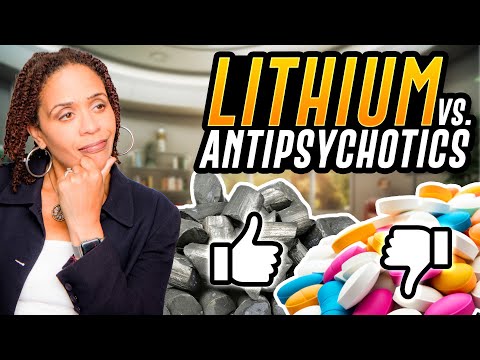
Hey! So, let’s chat a bit about Lithium and Quetiapine. These are two big players in the world of mental health treatments. Seriously, they’ve helped countless folks navigate their ups and downs.
But you know what? There’s a lot more to them than just being meds to take. It’s like they have their own personalities and stories behind them.
I remember a friend once told me how Lithium felt like a warm hug for her racing thoughts. Meanwhile, Quetiapine was sort of like a cozy blanket that helped her sleep at night.
So, what’s the deal with these two? How do they work together or separately? Let’s break it down in a way that makes sense, you know?
Exploring the Safety and Efficacy of Taking Lithium and Quetiapine Together
When it comes to treating certain mental health conditions, like bipolar disorder or severe depression, **lithium and quetiapine** often come up as part of the conversation. They both play significant roles in mood stabilization, but figuring out if taking them together is safe and effective can be a bit tricky.
Lithium has been around forever, like, since the ’50s. It’s known for its ability to help control mood swings. It helps level things out when you’re feeling really high or low. But there’s more to it than that—lithium requires regular blood tests to monitor levels because too much can lead to serious side effects, such as kidney issues or thyroid problems.
On the other hand, we have quetiapine, an antipsychotic medication. It’s often used to treat conditions like schizophrenia and bipolar disorder. Quetiapine can help with sleep issues and anxiety too, which is pretty common among folks dealing with mood disorders. The thing about quetiapine is that it can also cause drowsiness or weight gain in some people.
So, what about combining these two medications? Well, studies suggest that using lithium and quetiapine together can actually work well for some people. Here are a few points worth mentioning:
But here’s the catch: mixing these medications should always be done under close supervision from a healthcare professional. That means regular check-ins and blood tests to keep an eye on how you’re doing.
Sometimes patients worry about side effects—or even if they’ll feel different when taking these drugs together. A friend of mine once shared her story about starting quetiapine while on lithium after her doctor recommended it when she was struggling with crushing depression. At first, she was super nervous about how they would work together; but after a few weeks, she felt brighter and more stable.
Still, everyone reacts differently! Some might experience increased sedation or weight changes while on this mix. Keeping track of how you’re feeling is really important.
In summary, while there’s some promising potential in pairing lithium with quetiapine for better mental health management—they aren’t without their risks. So check in with your healthcare provider regularly! You gotta find what works best for you because at the end of the day—your mental health journey is unique!
Exploring the Connection Between Seroquel and Anger: What You Need to Know
So, let’s talk about Seroquel, or as it’s known in the medical world, quetiapine. It’s a medication that’s often used to treat things like bipolar disorder and schizophrenia. The thing is, while it can be super helpful for many folks, it can also stir up some unexpected emotions—like anger.
Seroquel and Anger: What’s the Connection?
Well, you might wonder how a medication meant to calm things down can actually lead to feelings of anger. The truth is, everyone reacts differently to medications. For some people, quetiapine can cause side effects that are a bit tricky to handle.
- One possible side effect is something called irritability.
- This means you might feel more easily annoyed by stuff that normally wouldn’t bother you.
- Some people even report feeling rage in extreme cases! Crazy, huh?
Let me tell you a story. A friend of mine started taking Seroquel for his bipolar disorder. At first, it felt like a relief since his mood swings were softer. But after a few weeks, he noticed he was snapping at his friends over little things—a missed text or someone forgetting to call him back—and that really strained some relationships. It was tough for him, cause he thought the meds were supposed to help him feel grounded.
Why Does This Happen?
It’s not totally understood why quetiapine can bring out anger in some people. It might mess with certain brain chemicals called neurotransmitters—like serotonin and dopamine—that help regulate your mood. When these get out of whack, it could lead to spikes in anger or frustration.
And get this: there are other factors involved too—like your personal health history or whether you’re taking other medications alongside Seroquel. Some people have a tougher time dealing with certain side effects based on their unique situations.
What Should You Do?
If you’re experiencing heightened anger while on Seroquel—or any med for that matter—it’s crucial to talk to your doctor about it. Seriously! They might adjust the dosage or suggest trying something else altogether. Don’t just suffer in silence; it’s essential for your mental health.
- Keep an eye on how you’re feeling day-to-day.
- If you notice those angry feelings creeping in more often than not, reach out!
Also remember—it can take time for your body to get used to new meds. Sometimes those initial feelings settle down as your system adapts.
In short? Seroquel has its benefits but also its quirks when it comes to emotions like anger. Staying aware of how you’re feeling and having open conversations with professionals is key—you deserve support through this journey!
Combining Antipsychotics and Lithium: What You Need to Know About Treatment Options
When talking about combining antipsychotics and lithium, it’s good to know what you’re getting into. Both are used in the treatment of various mental health conditions, including bipolar disorder and schizophrenia. So, let’s break it down.
Lithium is often a go-to for mood stabilization. It helps manage the highs (mania) and lows (depression) that come with bipolar disorder, keeping things more balanced. You might think of it as the grounding force for emotional roller coasters. But here’s the thing: lithium isn’t without its quirks. It needs careful monitoring since it can affect kidney function and thyroid levels over time.
Antipsychotics, like quetiapine, fall under a different umbrella. They help manage symptoms like hallucinations or severe agitation that you might see in schizophrenia or acute mania. Quetiapine also has some mood-stabilizing effects, which is why sometimes docs put it together with lithium.
Using both can be really effective for some people, but it does come with considerations. Some crucial points include:
- Monitoring Levels: When you mix these meds, regular blood tests become essential to track lithium levels. Too much lithium can lead to toxicity.
- Side Effects: Each med brings its own side effects to the table—lithium might cause weight gain, while quetiapine could lead to sedation or dry mouth.
- Individual Response: Everyone’s body reacts differently. What works wonders for one person may not touch another’s symptoms at all.
- Dosing Adjustments: Sometimes finding the right doses of both medications takes trial and error; patience is key!
Here’s a little story: Sarah was struggling with intense mood swings—feeling on top of the world one day and then crashing down hard the next. After her doctor evaluated her situation, they decided to combine lithium with quetiapine. Over time, Sarah found that this combo helped stabilize her moods without making her feel overly sedated during the day.
However, keep in mind that any medication adjustments should be taken seriously and discussed with your healthcare provider regularly. It’s super important not to just stop or change doses on your own.
So yeah, combining antipsychotics like quetiapine with lithium could be a solid strategy if you’re grappling with mood disorders. Just don’t forget about those regular check-ups! Staying on top of your health can make all the difference in how well these treatments work together for you.
Okay, so let’s chat about lithium and quetiapine. Both play significant roles in mental health treatments, but they’re really different animals. You might have heard of lithium; it’s been around forever, it feels like. Doctors often prescribe it for bipolar disorder, helping to stabilize mood swings. And then there’s quetiapine, an antipsychotic that many folks use for things like schizophrenia or even severe depression.
What’s interesting is how these two meds can work together sometimes. I remember my friend Sarah was really struggling with her mood swings—not just the ups and downs, but also that cloud of despair that would just hang over her. She was prescribed lithium first, which helped her keep a more steady emotional baseline. But then the doctor added quetiapine because Sarah would have these moments where she’d feel so low and anxious—it was like being in a really dark tunnel with no light at the end.
It’s wild how medications can take time to show their effects, isn’t it? Sarah didn’t feel better overnight; it took weeks (maybe longer) for her to notice the change. But once everything settled down with both meds in her system, she felt more like herself again. You could literally see the weight lift off her shoulders when we’d hang out.
Of course, with any medication combo, there are potential side effects to think about. Lithium can be hard on your kidneys if you’re not careful—like you really have to keep up with blood tests to make sure you’re not messing anything up in there. Quetiapine can bring drowsiness along for the ride too; that could be a bummer if you’ve got stuff to do.
But here’s where it gets tricky: people respond so differently to these treatments! What works beautifully for one person might not do squat for someone else. It’s kind of like trying on clothes—you gotta find what fits just right.
At the end of the day, these meds are tools in a bigger toolbox of mental health care that includes therapy and lifestyle changes as well. They can make a world of difference when combined thoughtfully under a doctor’s supervision.
So yeah, while lithium and quetiapine aren’t silver bullets or anything fancy like that, they certainly have their place when used wisely in managing certain mental health conditions. Having friends who go through this journey makes me appreciate how vital these strategies are—getting help is okay!