Hey! So, let’s chat about something you might’ve heard of: lithium. It’s not just a rock, believe it or not. It plays a pretty big role in the world of antidepressants.
You know how sometimes you feel like you’re stuck in a fog? Lithium can help clear that up for some folks. Weird, right?
Basically, it was one of the first mood stabilizers out there. And even today, it’s still hanging around and helping people feel more balanced.
Stick with me as we dive into why this old-school remedy is still making waves in modern treatments!
Understanding Lithium’s Role in Antidepressants: Benefits and Mechanisms Explained
Lithium is a pretty interesting player in the world of mental health treatment. When people think about antidepressants, they often picture SSRIs or SNRIs. But lithium has a unique role that’s worth talking about.
First off, lithium isn’t actually an antidepressant in the traditional sense. It’s primarily known as a mood stabilizer and is most often used to treat bipolar disorder. However, it can be super helpful for some people with depression, especially those who don’t respond well to standard antidepressants.
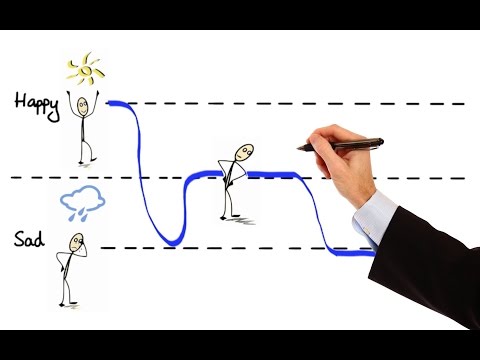
So, what’s the deal with lithium? One of the key benefits of lithium is its ability to help stabilize mood swings. If you’ve ever felt like your emotions were on a rollercoaster, you might appreciate that stability. It can reduce the extreme highs and lows that come with bipolar disorder and even help some folks experiencing unipolar depression.
Now, let’s talk about how it works. Lithium affects certain neurotransmitters in the brain—those little chemical messengers that help regulate mood and emotions. It increases levels of serotonin and norepinephrine, which are like tiny mood boosters running around in your brain.
Some studies suggest that lithium can also promote neurogenesis—the growth of new brain cells—especially in areas tied to mood regulation. Isn’t that fascinating? This could be why some research shows long-term use may even reduce the risk of developing depression later on.
But hold on; it’s not all sunshine and rainbows with lithium. There can be side effects, like weight gain or nausea—it varies from person to person. Plus, there’s a need for regular blood tests to check levels because too much lithium can lead to toxicity. You don’t want to mess around with that!
In practice, many psychiatrists combine lithium with other antidepressants if a single medication doesn’t do enough on its own. This can create a sort of “teamwork” effect where different meds complement each other.
It’s important to note that everyone reacts differently when it comes to medication. What works wonders for one person might not do much for another—and that’s completely normal! That’s why working closely with your healthcare provider is crucial.
In summary:
- Lithium stabilizes moods and helps some people with depression.
- It works by affecting neurotransmitters like serotonin.
- Lithium may promote neurogenesis.
- There are potential side effects and monitoring requirements.
- Combining it with other medications is common.
Overall, understanding lithium’s role gives us insight into how we treat mental health conditions today—showing just how complex our brains really are! If you’re considering treatment options or just curious about this stuff, keep asking questions—we’re all learning together!
Exploring the Role of Lithium in Modern Mental Health Treatment: Is It Still Effective?
Lithium has been around in the mental health world for quite some time, and you might be wondering if it’s still a key player in treatment plans today. Well, the answer is a bit more complicated than yes or no. Let’s break it down.
First off, lithium is known primarily for its use in treating bipolar disorder. It can really help stabilize mood swings. So, if someone is swinging from manic highs to depressive lows, lithium can help smooth things out a bit. But hey, it’s not just for bipolar—some doctors may prescribe it for major depressive disorders as well, especially when other treatments haven’t done the trick.
Now here’s where it gets interesting. Even though there are newer antidepressants on the market now, like SSRIs (selective serotonin reuptake inhibitors), lithium still has its place in modern medicine. Why? Well, studies have shown that lithium can actually reduce the risk of suicide in people with mood disorders. That’s a big deal! To think that something that was discovered way back could have such significant benefits today.
But let me tell you—a lot of folks can be apprehensive about using lithium because of potential side effects. Some common ones include weight gain, shaking hands, or thyroid issues. That said, these side effects don’t happen to everyone and can often be managed with monitoring and dose adjustments.
You know what’s cool? Lithium isn’t just helpful on its own; it can work *really well* alongside other medications too. It’s like inviting that one friend to the party who knows how to get everyone mingling and having a good time together!
There’s also this whole aspect of monitoring when taking lithium—it requires regular blood tests to ensure levels stay within a safe range. Some people find this inconvenient or overwhelming, but honestly, it’s just part of managing your health effectively.
To wrap this up: Yes, lithium is still effective today! It remains an important option for many individuals dealing with certain mental health conditions—especially those struggling with severe mood disorders where stability is vital.
Just remember though: every case is unique! Talking about your options with a healthcare provider will help find what works best for you personally and safely navigate through treatment choices together!
Exploring the Impact of Lithium on Depressive Episodes: Benefits and Considerations
Lithium is like that old friend who keeps showing up, even when you least expect it. It’s been around for ages, primarily known for treating bipolar disorder. But here’s the thing: it can also play a role in helping with depressive episodes. So, let’s take a closer look at how lithium works and what you need to keep in mind if you’re considering it.
When people think of lithium, they often think of stabilizing mood swings in bipolar disorder. That’s definitely true, but this little mineral can also help lift the fog during depressive episodes. It does this by enhancing serotonin and norepinephrine levels in your brain. These are like the feel-good chemicals that help regulate your mood.
There are some solid benefits to using lithium for depression:
- Stabilization: It helps stabilize mood fluctuations, so if you’re cycling between highs and lows, it can smooth things out.
- Suicidal thoughts: Research suggests that lithium can reduce the risk of suicide in those with severe depression.
- Long-term options: Unlike some newer meds that might lose effectiveness over time, lithium has a long-standing history of providing consistent relief.
But hold on! It’s not all sunshine and rainbows here. There are some considerations to keep on your radar too:
- Side effects: You might experience things like weight gain, tremors, or increased thirst. Seriously, make sure you’re drinking enough water!
- Tolerance and blood monitoring: Lithium requires regular blood checks to make sure levels remain safe. Too much can lead to toxicity.
- Kidney health: Long-term use may affect kidney function, so it’s crucial to have open conversations with your healthcare provider about this.
I once knew someone who was dealing with severe depression after going through a tough breakup. She felt trapped in her sadness—everything seemed gray and heavy. After trying various antidepressants without much success, her doctor suggested giving lithium a shot. At first, she was hesitant because of all the talk surrounding side effects. But after some careful monitoring and adjustments to her dosage, she noticed significant improvements over a few months.
Now she talks about how her perspective shifted from feeling hopeless to finding joy in little things again—like enjoying coffee with friends or taking walks in the park.
So basically, while lithium has its quirks and requires attention from both you and your healthcare team, its potential benefits for depressive episodes are pretty noteworthy! Just remember: open communication is key when exploring treatments like this one since everyone responds differently. You gotta find what works best for you!
Lithium, huh? It’s one of those old-school players in the mental health game. For a long time, it’s been used mostly for bipolar disorder, but lately, people are realizing it has a place in treating depression too. It’s like finding a vintage vinyl that actually still sounds good, you know?
So picture this: you’re having one of those days where getting out of bed feels like climbing Everest. Your mind is racing with dark thoughts, and nothing seems to help. Maybe you’ve even tried a few antidepressants that didn’t really do the trick. That’s where lithium can come into play.
What’s kind of amazing is that lithium works differently from many other antidepressants. While typical ones mainly adjust serotonin levels—think of it as trying to balance a seesaw—lithium goes deeper. It actually influences several neurotransmitters and helps stabilize mood over time. So it can be like putting a sturdy foundation under that seesaw instead of just fiddling with the arms.
I remember talking to a friend who felt pretty hopeless after trying an array of medications without feeling much change at all. Then their doctor suggested adding lithium to the mix. Fast forward a few months and they were feeling more stable than ever before. It was like someone turned on a light in what felt like an endless tunnel.
But hey, it’s not all sunshine and rainbows! Lithium isn’t perfect; it comes with side effects and requires monitoring because too much can be dangerous. It’s important to work closely with your doctor if you’re considering this route.
What’s crucial is understanding its role as part of your treatment plan, not something you simply throw into the mix expecting miraculous results overnight. Like any relationship—yes, even with medication—it takes time and some trial and error to figure out what works best for you.
So yeah, lithium might sound retro or even intimidating at first glance, but sometimes those old tricks hold up really well against the test of time when approached thoughtfully in modern treatments for depression. It’s definitely worth thinking about if you’re on this journey!