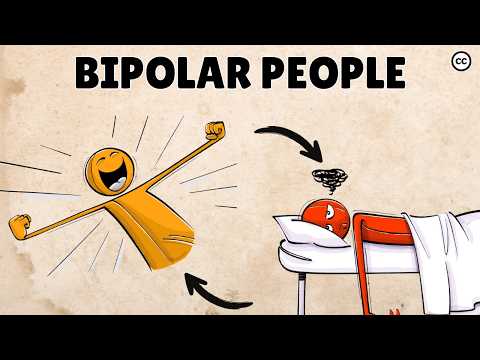
Bipolar disorder, huh? It’s a wild ride, no doubt. One moment you’re on top of the world, feeling like you can conquer anything. The next, it feels like you’re drowning in a sea of darkness.
You might know someone with it or maybe you’re just trying to understand your own situation. Either way, this journey can be tough to navigate.
But here’s the thing: you’re not alone. So many people are walking this path and there’s strength in sharing experiences.
Let’s chat about what it really means to live with bipolar disorder—the highs and lows, the challenges and triumphs. We’ll figure this out together!
Living with Bipolar Disorder: My Personal Journey and Insights
Living with Bipolar Disorder can be a rollercoaster ride. Seriously. One day, you might feel on top of the world, super energetic and ready to conquer anything. The next, you could be stuck in a pit of despair that seems impossible to escape from. It’s like your brain has its own mood swings on steroids.
Let me tell you about a friend of mine, Jake. He’s had bipolar disorder since his teenage years. I remember him once saying how it felt like riding a bike downhill with no brakes—you just fly, but at any moment, you could crash hard.
So what does living with this condition really look like? Here are some key points:
- Mood Episodes: These can flip your emotions from manic highs to depressive lows quickly. Manic phases might make you feel invincible—lots of energy, racing thoughts, and sometimes even risky behaviors.
- Depressive Phases: On the flip side, when depression hits, it can feel like a heavy blanket pulling you down into darkness. You might lose interest in things you used to love or struggle just to get out of bed.
- Triggers: Various stressors can set off these mood swings—like changes in routine, sleep patterns or even seasons. So being aware of what triggers your episodes is key to managing things better.
- Treatment Options: Therapy and medication often go hand in hand. Medication helps stabilize mood swings while therapy gives you tools to cope when life gets rough.
- A Support System: Being surrounded by understanding people can make all the difference. For Jake, his family has always been his rock during tough patches.
The thing is, having bipolar disorder doesn’t mean life is over—it just means certain things need more attention or care. Acknowledging that was huge for Jake; he learned that he didn’t have to hide what he was going through.
You know how people say “it’s okay not to be okay”? That’s something Jake took to heart. He found strength in sharing his journey openly with friends and even joining support groups where others understood exactly what he was talking about.
Mental health isn’t linear—there will be ups and downs along the way. But with the right mindset and support system alongside effective treatment plans, living with bipolar disorder can become manageable over time.
So yeah, if you or someone close is navigating this path too—just remember: it’s all about taking things one step at a time and being kind to yourself during the rougher moments.
Living with Bipolar Disorder: A Personal Journey and Insights
Living with bipolar disorder is totally a journey, and it can feel like a rollercoaster most days. Imagine having your emotions swing from sky-high joy to deep valleys of despair. It’s so intense! But seriously, this condition affects way more than just mood; it can change how you think and interact with the world around you.
Bipolar disorder isn’t just about being happy or sad. It has different phases, like mania and depression. You might feel on top of the world during a manic episode—full of energy, ideas racing, and maybe even taking risks you wouldn’t normally consider. Then there are those depressive episodes that can make even getting out of bed feel like climbing Mount Everest. And switching between these states can happen quickly or take time—it varies for everyone.
What really hits home for those living with it is the unpredictability. One minute you’re planning a big project because you’re brimming with energy, but then suddenly you’re in a funk that makes even simple tasks seem impossible. This back-and-forth doesn’t just affect you; it impacts relationships too.
For example, I remember a friend who dealt with this first-hand. During one manic phase, she decided to start a business on a whim—she had all these grand ideas! But after weeks of pushing herself, she hit an emotional wall and couldn’t get out of bed for days. Her friends were worried but didn’t know how to help, which made it even tougher on her.
But here’s where things get tricky: stigma. Society often doesn’t understand what bipolar disorder really means. This can lead to feelings of isolation when what you need is support from others who get it. It’s super important to seek out people who understand your journey—friends or support groups can help lighten the load.
Treatment plays a big role in managing bipolar disorder. Many folks find stability with medication, which can help smooth out those extreme highs and lows. Therapy is also key—talking things through can provide insights into your patterns and triggers.
And let’s not forget self-care! Finding activities that ground you during rough patches helps enormously. Whether it’s journaling, spending time in nature, or simply practicing mindfulness—you need tools in your toolbox.
So yeah, living with bipolar disorder might be challenging at times but understanding it better makes the ride more manageable. If you’re someone who has this condition or knows someone who does—just remember that while it’s not easy, it’s definitely possible to navigate life one step at a time!
Understanding End Stage Bipolar Disorder: Symptoms, Challenges, and Support Strategies
Bipolar disorder can be a wild ride. You know, one moment you’re on top of the world, feeling invincible, and the next, you’re in a deep pit that seems impossible to climb out of. When we talk about **end-stage bipolar disorder**, it’s like looking at the most challenging part of this journey. It’s not just about mood swings; it comes with an array of symptoms and difficulties that can really shake up someone’s life.
Symptoms at this stage often escalate. People may experience severe mood episodes—either manic or depressive—that last longer than what’s typical. So instead of just a few days or weeks, you might see episodes hanging around for months. Here are some key symptoms to consider:
- Chronic Fatigue: Even during a manic phase, folks might feel super tired.
- Severe Depression: This isn’t your average bad day; it’s an all-consuming darkness.
- Delusions or Hallucinations: Some people start seeing or hearing things that aren’t there.
- Bizarre Behavior: Acting in ways that are totally out of character can become more common.
Dealing with these symptoms is tough. It’s like trying to ride a rollercoaster that keeps breaking down! You might have trouble holding down a job or keeping relationships stable. The emotional toll? Yeah, it’s heavy.
The challenges don’t stop at symptoms. Stigma plays a big role too. Many folks face judgment from others who just don’t get it, making the isolation even worse. Plus, it’s not uncommon for people to bounce in and out of psychiatric care as they search for the right treatment plan—this can be exhausting both mentally and physically.
And then there’s the issue of support systems—or lack thereof. It’s important to have people around who understand what you’re going through because let’s face it: sometimes it feels like no one can relate to your struggles.
So how do you manage this complex situation? Here are some support strategies:
- Therapy: Finding a good therapist is crucial. Cognitive behavioral therapy (CBT) has helped many folks sort through their thoughts and feelings.
- Medication Management: Staying on top of medications is key—even if they come with side effects.
- Psychoeducation: Learning about bipolar disorder helps both the individual and their loved ones grasp what’s happening.
- Support Groups: Joining groups where people share experiences can reduce feelings of isolation.
An example? Think about Sarah, who struggled with end-stage bipolar disorder for years. Therapy gave her tools to manage her emotions better while support groups helped her connect with others facing similar battles—all while she navigated medication adjustments that took time to find the right balance.
You see? Understanding end-stage bipolar disorder means recognizing both its symptoms and challenges while seeking effective support strategies. It’s about having compassion for yourself and knowing you’re not alone in this journey!
Navigating life with bipolar disorder can feel like riding a wild roller coaster, you know? It’s not just the ups and downs; it’s the unexpected twists, spins, and sometimes that gut-wrenching drop. It’s not a journey many understand unless they’ve been on it themselves, and if you’re there, you probably get that it’s more than just mood swings.
Imagine waking up one day feeling like you’re on top of the world—everything is bright, exciting, and buzzing with possibility. That was me. I’d get these bursts of energy where I felt like I could conquer anything. But then, just as quickly, things would shift. The energy tanked. Suddenly, getting out of bed felt like climbing Everest. The darkness would wrap around me like a heavy blanket I’d just want to throw off but couldn’t.
The thing is, understanding this cycle became my biggest teacher. Each time I went through a manic episode or faced a depressive phase, I learned more about my triggers and how to manage them better. Therapy became my safe space—my therapist helped me untangle all those complex feelings and patterns that sometimes seemed impossible to decipher.
Medication also played a role in this journey; it took time to figure out what worked for me. It was trial and error for sure—some days felt hopeless when things didn’t click right away. But then those small victories? They added up! Like finding the right balance meant fewer extreme highs and lows over time.
And let’s talk about support; seriously, having friends who get it makes a world of difference. Unfortunately, not everyone understands bipolar disorder fully—it can be hard for people who haven’t experienced it themselves to grasp what it feels like when you’re in the thick of it all.
I remember one moment vividly—a close friend reached out after I pulled away during a low phase. She didn’t judge; she just listened and reminded me that I wasn’t alone in this heavy feeling. That simple gesture reignited hope.
So yeah, navigating life with bipolar disorder isn’t straightforward by any means—it’s messy and complex but there are moments of clarity too that make everything worth it! Finding ways to express myself through writing or art has been healing as well; creative outlets helped channel everything swirling inside into something tangible.
At the end of the day? This journey is uniquely mine—filled with lessons about resilience, self-acceptance, and connection. It may be tough sometimes but embracing uncertainty has opened doors I never expected along the way!