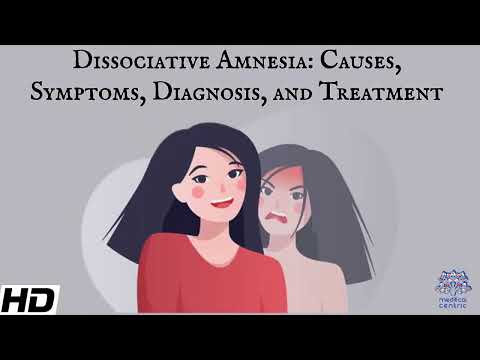
You ever feel like your brain just hits the pause button? Like, one minute you’re chilling, and the next, it’s like a big fog rolls in and you can’t remember stuff? That’s kinda what localized dissociative amnesia is all about.
It’s not just forgetting where you left your keys or that embarrassing thing you did at last week’s party. It’s deeper than that. Imagine closing a door on certain memories—most likely those tied to trauma.
And while it might sound wild, it can really shake up your mental health more than you’d think. So let’s unpack this together. There’s a lot to get into!
Understanding Dissociative Amnesia: How It Impacts Mental Health and Daily Life
Dissociative amnesia can be a pretty confusing topic, but let’s break it down together. Basically, it’s when someone can’t remember important information about themselves or their past. It’s not just forgetting where you left your keys; we’re talking about significant gaps in memory, often linked to trauma or stress.
So, what do we mean by localized dissociative amnesia? Think of it like this: you have a specific event or period in your life that you just can’t recall. Maybe something really traumatic happened, and your brain is like, “Nope! Not dealing with that right now.”
The effects on mental health can be pretty heavy. Imagine going through life without fully understanding parts of yourself because whole chunks of memory are just… missing. This can lead to feelings of confusion or disconnect from oneself. You might find it hard to trust your own thoughts or feelings—like standing in front of a mirror and not recognizing who’s looking back at you.
Daily life isn’t any easier either. Localized dissociative amnesia can mess with relationships and social interactions. You might struggle to explain things to friends because you don’t even remember key moments that shaped those connections. Let’s say you had a bad breakup that triggered this amnesia; suddenly, you’re out with friends who want to talk about old times, but those old times are all blank for you. It’s awkward and frustrating!
And then there’s the anxiety that often tags along with this condition. The uncertainty about what you’ve lost—those memories could hold answers about why you feel certain ways, or why certain situations trigger intense emotions. That’s no small deal! This anxiety might lead to avoidance behaviors; maybe you’d steer clear of certain conversations or places because you’re worried they might unearth those lost pieces.
Treatment usually involves therapy, particularly cognitive-behavioral therapy (CBT) or eye movement desensitization and reprocessing (EMDR). These approaches can help people process their trauma while gradually facing the memories they’ve pushed away.
In essence, dissociative amnesia, especially localized types, impacts not just memory but also emotional well-being and the ability to connect with others effectively. If you know someone experiencing this—or if it’s something you’ve been through yourself—it helps to understand you’re not alone in this complex journey. Healing is possible and often involves rebuilding a sense of self—step by step!
Understanding the Effects of Prolonged Dissociation: What You Need to Know
Dissociation can feel like you’re floating outside your body, watching life happen from a distance. Prolonged dissociation can be even more intense. When someone experiences this frequently, it often leads to issues, like **localized dissociative amnesia**. It’s a tricky concept, but let’s break it down together.
What is Localized Dissociative Amnesia?
This happens when you can’t remember important information about yourself or specific events, usually related to trauma or stress. Imagine you experienced something really scary, and then your brain just decides to hit the delete button on those memories. You know? It’s like a protective mechanism your mind uses to shield you from pain.
Effects on Mental Health
When dissociation sticks around for too long, it may mess with your mental health in serious ways. Here are some effects to keep in mind:
- Memory Issues: You might find it hard to recall day-to-day events or parts of your life.
- Identity Confusion: It can be confusing who you are or how you fit into the world.
- Anxiety and Depression: These feelings often creep in as the stress of not remembering takes its toll.
- Panic Attacks: The disconnection can make someone feel overwhelmed or panicky for seemingly no reason.
- Difficult Relationships: Not being fully present can strain connections with friends and family.
Now picture this: You’re trying to chat with a buddy about a fun night out, but suddenly there’s a whole chunk of the evening missing from your memory. That feeling of confusion is no joke—it’s disorienting and kind of scary.
Coping Strategies
Managing these effects isn’t easy, but there are ways to help deal with prolonged dissociation:
- Therapy: Talking with a professional can really help sort through those tangled feelings and memories.
- Meditation and Mindfulness: These techniques ground you in the present moment, which is super helpful.
- Diarizing Feelings: Writing down thoughts and experiences might aid in processing emotions that are hard to grasp.
- Avoiding Substance Use: Some people turn to drugs or alcohol for escape, but that often makes things worse.
It’s like having a safety net—therapy helps catch what might fall through when you’re not fully aware.
The Importance of Support
Having a strong support system is crucial here. Friends and family who understand what you’re going through can make all the difference. If they know how dissociation works, they’re more likely to help you feel safe when things get overwhelming.
In summary, prolonged dissociation isn’t just an “off” day; it’s something that requires attention and care. If you—or someone close—find yourselves dealing with these feelings regularly, don’t hesitate to reach out for support. It’s okay not to have all the answers right away; just taking one step at a time is enough sometimes!
Exploring the Most Effective Therapies for Dissociative Amnesia: A Comprehensive Guide
Dissociative amnesia, especially the localized type, can be a tricky experience. You know how sometimes you just blank on a specific event? For some, it’s more than just forgetting – it’s like huge chunks of life are just… gone. People with this condition often can’t remember important personal information, usually related to a traumatic or stressful event.
Now let’s chat about therapy approaches. There’s no one-size-fits-all method here, since what works for one person might not click for another. Still, some therapies have shown to be effective for those dealing with localized dissociative amnesia.
Cognitive Behavioral Therapy (CBT) is a popular choice. This therapy helps you identify and change negative thought patterns and behaviors that stem from your experiences. It works well because it empowers you to regain control over your thoughts and feelings, which is crucial when dealing with amnesia.
Another effective option is Eye Movement Desensitization and Reprocessing (EMDR). Sounds fancy, right? But basically, EMDR helps people process traumatic memories while using guided eye movements. The idea is that by doing this in a safe environment with a therapist, you can reduce the emotional pain associated with those memories.
You might also want to look into psychodynamic therapy. This approach digs deeper into your past experiences and unconscious thoughts. The focus is on understanding the roots of your dissociation through talk therapy. It can take time—but gaining insight into why these memories are blocked may help bring them back in a manageable way.
Then there’s supportive therapy, which prioritizes providing emotional support rather than focusing on specific techniques. This kind of environment can make you feel safe enough to explore feelings about the lost memories without pressure.
For some folks, medication could play a part too—although it’s not specifically designed for dissociative disorders. Antidepressants or anti-anxiety medications might ease underlying symptoms like anxiety or depression without directly addressing the memory loss itself.
So imagine this: picture someone named Sarah who had an accident as a child and can’t remember anything about it—the trauma is just… wiped out. She starts using CBT to tackle her anxiety first because it’s affecting her daily life big time; slowly she learns coping mechanisms and begins processing her emotions regarding that lost memory in a healthier way.
Again though, working with someone who really understands this stuff is crucial – therapists trained in trauma-related conditions will often have specific strategies tailored for situations like Sarah’s.
That being said, recovery from localized dissociative amnesia isn’t just about therapy—it often involves building strong support systems around you too! Friends or support groups who get what you’re going through can make all the difference as you start to piece things together again.
In short: navigating dissociative amnesia needs compassion and patience—from both yourself and those around you. Each step toward healing counts!
You know, localized dissociative amnesia is one of those terms that sounds super clinical, right? But it’s basically when someone has a gap in memory for a specific event or period of time. Imagine going through something really traumatic or stressful and then just… poof! Some of those memories just vanish like they never happened. It’s wild.
I remember my friend Sarah. She went through a tough breakup that hit her hard. For weeks after, she couldn’t quite remember all the details of what happened during those last few months with her partner. It was like her mind was protecting her from the pain, you know? She’d sit there and try to remember things but instead would get this blank stare. That’s not uncommon with localized dissociative amnesia; it’s like your brain just puts up walls around certain memories to shield you from emotional turmoil.
The side effects on mental health can be pretty significant, though. People might feel disconnected from themselves or their surroundings. It can be hard to explain to someone who hasn’t experienced that feeling; it’s like being half in a dream and half awake at the same time, struggling to grasp reality fully. For Sarah, it made her anxious about relationships moving forward because she was scared of repeating history without understanding what went wrong.
And while some folks might think it’s all good—like, “Hey, who wouldn’t want to forget something painful?”—the truth is, forgetting doesn’t really help long-term healing. It might seem like an escape at first, but sooner or later those feelings tend to come creeping back in one way or another.
So yeah, if you’re ever dealing with something heavy and your mind decides to hit the «pause» button on certain memories, don’t hesitate to reach out for support. Supportive friends or professionals can help put the pieces back together so you can find your way back to yourself again without getting lost along the way. Just remember: healing isn’t linear, and that’s totally okay!