So, let’s talk about loneliness, shall we? You’re not alone if you think it’s become a bit of a buzzword lately. Seriously, it feels like everyone’s chatting about it.
But here’s the kicker: it’s more than just a feeling. It’s this massive thing that affects so many people. Numbers are flying around that are just mind-blowing. Like, did you know a huge chunk of folks report feeling lonely? It’s kind of alarming.
You might be sitting there thinking, “Why should I care?” Well, I get it. But the truth is, loneliness can mess with your mental health in ways we don’t often realize. It can creep in and take over.
So grab your favorite drink and settle in—this is one conversation you won’t want to miss!
Understanding the Loneliness Epidemic: Alarming Global Statistics on Mental Health
Loneliness is a heavy topic, but it’s super important to talk about. You might’ve heard the term “loneliness epidemic” thrown around lately. What’s wild is that this isn’t just some catchy phrase; it really reflects a huge issue we’re facing worldwide.
So, what does the loneliness epidemic look like? Recent studies reveal some staggering statistics. For instance, surveys show that nearly **one in three adults** report feeling lonely. That’s like millions of people feeling isolated and disconnected from others. And guess what? It doesn’t stop with adults. Younger generations, especially teens and young adults, are also struggling with loneliness.
Why is this happening? Well, there are a few reasons at play here. First off, our lifestyles have changed dramatically. People are spending more time on screens than with face-to-face interactions. Social media can sometimes feel like a double-edged sword: you see everyone else hanging out, but it might leave you feeling even more alone.
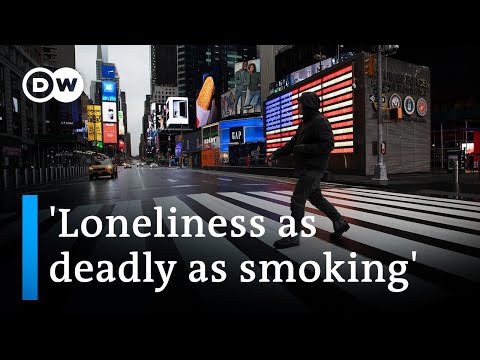
Another thing to consider is the rise in mental health conditions related to loneliness. Feelings of isolation can worsen issues like anxiety and depression. Studies have even found that long-term loneliness can be as harmful as smoking 15 cigarettes a day! Seriously!
What about the older population? Loneliness hits the elderly hard as well. Many older adults struggle with losing friends and family members over time or may live far away from loved ones. This can create a profound sense of isolation that impacts their overall health.
So let’s break down some key stats:
- Around **50% of older adults** report feeling lonely.
- Studies show that **twice as many young people** report feeling lonely compared to older generations.
- The COVID-19 pandemic made things worse; nearly **60%** of people reported increased feelings of loneliness during lockdowns.
It’s clear that we all need to pay attention to this issue—not just for ourselves but for those around us too! If we don’t talk about it and find ways to connect better, we risk letting loneliness become an even bigger problem.
You might wonder what can be done about all this? Well, one simple way is just reaching out—text or call someone you haven’t spoken to in a while! Also, joining groups or clubs centered around your interests can help you meet new people who share your passions.
To wrap this up: tackling the loneliness epidemic requires awareness and action from all of us. It’s essential to recognize feelings of isolation not just as personal challenges but as collective issues we all face together. So stay connected—it makes a world of difference!
Alarming CDC Statistics Reveal the Growing Loneliness Epidemic and Its Impact on Mental Health
You know, when we talk about loneliness, it’s easy to think it just means being alone. But it’s so much deeper than that. Seriously, the CDC has dropped some pretty alarming stats about how many people are feeling isolated nowadays. This isn’t just a passing phase; it’s turning into an epidemic, and it’s impacting mental health in some serious ways.
First off, let’s look at the numbers. Over 60% of adults report feeling lonely at some point, which is more than half! And if you think young people are the only ones affected, think again. The stats show that loneliness doesn’t discriminate by age. Older adults are particularly vulnerable too—about 1 in 4 people aged 65 or older report feelings of loneliness. So basically, this is a widespread issue.
Loneliness can totally mess with your mental health. It can lead to depression, anxiety, and even increase the risk of suicide. Like I once knew someone who was always surrounded by people but never felt connected to them—super relatable stuff! They ended up feeling really low for a long time because they were missing that genuine connection that we all crave.
The issue isn’t just emotional either; research shows a link between loneliness and physical health problems like heart disease and weakened immune systems. Crazy, right? Being lonely doesn’t just hurt inside; it can affect your body too! It messes with sleep patterns and increases stress hormones like cortisol which can lead to all sorts of other health issues.
If you’re thinking about why this is getting worse lately, there are a few culprits. Social media plays a big role here; while it connects us in one way, it often leaves us feeling more isolated in reality. It’s like scrolling through perfect posts but feeling left out—seriously tough to deal with.
But there’s hope! Communities are starting to recognize this issue, and some are stepping up to create gatherings or support groups for those feeling lonely. Whether it’s book clubs or game nights at local centers—these spaces give people a chance to actually connect face-to-face instead of through screens.
- Mental health professionals understand that addressing loneliness is key in therapy sessions.
- Pride in community initiatives, like organizing volunteer opportunities or community gardens can bring people together effectively.
- Practice self-compassion; sometimes acknowledging your feelings of loneliness openly can be the first step towards finding connections.
At the end of the day, staying connected is super important for all of us. Whether it’s reaching out to an old friend or joining a new hobby group—every bit counts! Just remember: you’re not alone in feeling lonely; lots of folks out there get what you’re going through.
Understanding the Loneliness Epidemic: Alarming Statistics and Insights on Mental Health
Loneliness, yeah, that’s a biggie. It seems like everyone knows someone who feels isolated or disconnected these days. And honestly? The numbers are kind of alarming. Studies show that around 61% of Americans report feeling lonely, which is wild when you think about how connected we are digitally.
So, what’s going on here? Well, it turns out that while social media can help us connect with others, it often leads to a feeling of emptiness instead. You might scroll through posts and see everyone’s highlights but end up feeling like you’re missing out. Basically, the more we’re “connected” online, the more isolated we feel in real life.
- Increased anxiety and depression: Loneliness can really mess with your mental health. Studies show a strong link between feeling lonely and experiencing symptoms of anxiety or depression. With loneliness comes this heavy blanket of sadness.
- Health impacts: Not only does loneliness affect your mood, but it’s also bad for your physical health! It can be linked to issues like heart disease and even lower immune function. Seriously!
- Aging population: As folks get older, they can feel more lonely too. This is often due to losing friends or family members and not having access to as many social interactions.
I remember talking to my grandma a while back; she shared how her friends had moved away or passed on. She felt so alone in her little apartment despite being surrounded by people in her building. It was heartbreaking! I mean, she had stories to tell and wisdom to share but felt trapped in that loneliness bubble.
The thing is: addressing loneliness isn’t just about bringing people together physically; it involves meaningful connections too! Quality matters here; you know? Just hanging out in a crowd doesn’t cut it if you don’t feel understood or supported.
If you’re feeling this way—or know someone who is—it’s important to take steps toward building those connections again. Reaching out isn’t always easy but chatting with friends or joining groups—like clubs or classes—can help break that cycle of isolation.
The good news? There are so many resources available today for folks grappling with loneliness! Mental health professionals can guide you through those feelings and work on building those vital connections again.
So remember: feeling lonely is not just some sign of weakness or something wrong with you—it’s something many people experience at some point in their lives. And hey, reaching out for support is always a step in the right direction!
You know, loneliness isn’t just something we feel when we’re alone; it’s like this sneaky little monster that can creep into our minds and really shake things up. In today’s world, it’s so easy to feel isolated, even when we’re surrounded by people. Like, think about how many times you’ve been in a room full of folks but still felt like you were on the outside looking in. That’s tough!
So, I’m looking at some stats that are pretty alarming. It shows that a huge chunk of people—like nearly half—report feeling lonely sometimes or often. Crazy, right? And this isn’t just about skipping the party or not having a plus one for an event. It goes deeper than that. This loneliness can start messing with your head and lead to things like depression and anxiety.
I remember a friend of mine who went through a rough patch. She was living in the city, working hard but never really connecting with anyone. She’d come home after long days feeling this heavy weight—like no one even knew her name or cared if she was there or not. Eventually, it got so overwhelming that she started pulling away from everyone and everything. It broke my heart seeing her struggle like that.
And here’s another kicker: loneliness can impact our physical health too! Studies show it can affect your immune system and even increase the risk of chronic diseases—what a double whammy! So when you think about how being alone can make us feel mentally drained, it’s also doing some serious damage on the inside.
It’s wild how connected we all are through technology these days yet how disconnected we can feel from actual human interactions. You scroll through social media and see all these beautiful moments from other people’s lives while sitting there feeling empty inside. That constant comparison game does nothing good for our vibes.
So look, it seems pretty clear that addressing this loneliness epidemic isn’t just important—it’s urgent! We need to find ways to reach out and really connect with each other again because everyone deserves to feel seen and heard, you know? So let’s check in on our friends or maybe even take a moment to share a meal with someone who seems alone; those little efforts can go such a long way in battling this silent crisis we’re facing together.