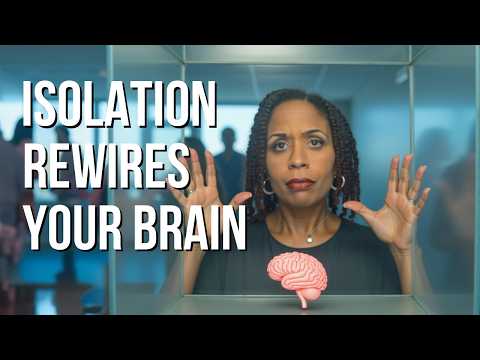
Loneliness, huh? It’s wild how something so simple can hit us so hard. Like, you could be surrounded by people and still feel totally isolated.
Ever been at a party but felt like you’re in your own bubble? Yeah, that’s what I mean. It’s not just about being alone; it’s about that gnawing feeling inside.
And here’s the kicker: loneliness can seriously mess with your mental wellbeing. I mean, we all need connection, right?
So, let’s chat about this a bit. What happens when loneliness creeps in? Let’s unpack it together.
Understanding the Effects of Loneliness on Mental Health: Insights and Strategies
Loneliness is one of those feelings that can creep up on you when you least expect it. You might be in a crowded room, and still feel like the only person there. It’s kind of unsettling, right? The truth is, loneliness can seriously impact your mental health in ways you might not even realize.
First off, let’s talk about some effects. Loneliness can lead to a whole range of issues. For starters, it’s been linked to anxiety and depression. When you’re alone for long periods, your mind can start to spiral. You might find yourself overthinking everything or feeling hopeless. It’s like being trapped in your own head.
Another thing to keep in mind is that loneliness isn’t just an emotional struggle; it has physical consequences too! Studies indicate that feeling lonely can increase stress levels and lead to problems like sleep disturbances and even weakened immune responses. So it’s not just about feeling sad—it’s about your overall health.
Here are some specific ways loneliness impacts mental well-being:
- Increased Anxiety: When you’re alone too much, you can become hyper-aware of your thoughts and emotions. This often leads to more anxiety.
- Depressive Symptoms: Many people who experience loneliness report feeling a sense of despair or numbness.
- Diminished Self-Esteem: Being lonely may make you question your worth or why others don’t want to be around you.
- Cognitive Decline: There’s evidence suggesting that prolonged loneliness can affect memory and brain function over time.
But what do we do about it? Tackling loneliness is all about finding connections—both with others and yourself. Here are a few strategies:
- Reach Out: Don’t be afraid to call or text someone! Just chatting for a bit can lighten up your mood.
- Join Groups or Clubs: Look for local events or online spaces where people share common interests; this is a great way to meet folks!
- Pursue Hobbies: Engaging in activities you love can help distract from feelings of loneliness while helping you connect with like-minded people.
- Practice Self-Compassion: It’s important to be gentle with yourself when you’re struggling; acknowledge how you’re feeling without judgment.
One time, I felt incredibly isolated despite being surrounded by friends at a gathering. I started wondering if there was something wrong with me for feeling this way. It was tough until I reached out to a close friend afterward who understood exactly how I felt. Just sharing my thoughts made such a difference!
In short, the effects of loneliness on mental health are real and could sneak up on anyone. But remember, reaching out—whether to friends, family, or new acquaintances—can help bridge that gap and bring back some joy into life! You’re definitely not alone in this; there are always ways to connect and find support when it gets heavy.
Understanding Autophobia: The Fear of Being Alone and Its Impact on Mental Health
Autophobia, or the fear of being alone, can be a heavy-weight emotional experience. It’s more than just disliking solitude; it’s that gut-wrenching panic when you think about being by yourself. The thing is, everyone feels lonely sometimes, but for those with autophobia, it can spiral into something much deeper.
What happens is, this fear often stems from past experiences. Maybe you’ve had a tough breakup or lost someone close to you. Those feelings can stick around, leading to anxiety whenever you’re alone. Imagine sitting in a quiet room and suddenly feeling like there’s an overwhelming weight on your chest. You’re not sure if you’ll be okay just being with your thoughts.
When people with autophobia are faced with solitude, they might react in various ways. Some may experience **intense anxiety** or panic attacks. Others might feel a deep sense of sadness wash over them. It’s like being trapped in an emotional storm without an umbrella—totally overwhelming!
Autophobia doesn’t just affect the mind; it can also impact physical health too. Chronic stress from always seeking companionship can lead to fatigue or even headaches. The cycle continues because then you start avoiding situations where you might be alone, which only reinforces that fear.
Social connections are important for all of us, but when fear takes over your life, maintaining those connections can be tough. People may become clingy or overly dependent on others for reassurance and comfort. This dependence often results in strained relationships since friends and loved ones might feel overwhelmed too.
Coping strategies can help manage the symptoms associated with autophobia:
- Therapy is good for understanding your fears and finding healthier ways to cope.
- Practicing mindfulness and relaxation techniques can also lessen anxiety.
- Gradually spending small chunks of time alone helps desensitize those fears.
For some folks, medication could also play a role alongside therapy if the anxiety feels unmanageable—just something worth discussing with a professional.
Remember that feeling lonely isn’t automatically bad; everybody goes through it at some point! The key is finding balance so that loneliness doesn’t morph into paralyzing fear.
If you’ve struggled with this fear, you’re not alone either—lots of people face similar challenges every day. Working through them takes time and patience but finding support is essential!
Exploring the Impact of Loneliness on Mental Health: Key Statistics and Insights
Loneliness is a heavy topic, but it’s super important to talk about. You know, feeling lonely can hit really hard. It’s not just about being alone; it’s more like this deep sense of disconnect from others. Research shows that loneliness can have serious effects on our mental health—like anxiety, depression, and even thoughts of self-harm.
Statistics are staggering. A survey found that about 61% of adults in the U.S. reported feeling lonely sometimes or always. That’s a big chunk of people! Think about it—when we’re isolated, especially during tough times, it can really wear us down emotionally.
Here’s the thing: when you feel lonely, your body and brain react. Stress hormones kick in, which can mess with your mental state and lead to problems sleeping or concentrating. Over time, this might even contribute to chronic health issues. A study published in a scientific journal linked loneliness to an increased risk of heart disease and stroke! Just crazy when you think about how our mental state can influence physical well-being.
There’s also the social aspect of it all. Humans are social creatures—we thrive on connections with others. When that connection is missing or feels weak, it can lead to feelings of worthlessness or self-doubt. You ever felt like you’re just not good enough? That sensation often ties back to feelings of loneliness.
Here’s some key insights:
And let’s not forget the stigma around loneliness! People might think “Oh, they must be antisocial” without realizing how complex it really is. Sometimes folks just don’t know how to reach out for help or even express what they’re experiencing.
But here’s some good news: there are ways to combat loneliness! Engaging in community activities or therapy can really help you reconnect with yourself and others. Even small things like chatting with a neighbor or joining a book club can make a difference!
Remember that reaching out is totally okay—even if it feels scary at first. Just think about how much better connecting with someone else could make you feel!
So yeah, while loneliness hits hard mentally and physically, understanding its impact is the first step toward healing and reconnecting with yourself and the world around you.
Loneliness, man, it’s one of those things that creeps up on you when you least expect it. Like, you could be in a crowd of people but still feel this heavy weight on your chest. I remember this time when I was at a party—lots of laughter and music swirling around me—but instead of feeling connected, I felt totally isolated. Crazy, right? It’s like being surrounded by friends yet somehow just… disconnected from everything.
So, what’s the deal with loneliness? It’s not just about physical isolation, you know? You can be single and have no one to lean on or feel like nobody really gets you even when you’ve got a bunch of acquaintances around. That feeling can take quite a toll—like seriously mess with your head. Studies show that loneliness can lead to anxiety and depression, making it tough to even get out of bed some days.
And then there are the physical effects too! Imagine this: chronic loneliness can boost stress hormones and mess with your immune system. You might find yourself getting sick more often or feeling tired all the time. It’s almost like your body is saying “Hey! I need some company!”
What’s wild is how we often brush off emotions associated with loneliness as something to just toughen up against. But really, acknowledging those feelings is super important. We live in a society where connection is key—whether it’s through social media or face-to-face chats—and when that connection isn’t there, it creates this void that we kinda overlook.
So yeah, if you’re feeling lonely or disconnected—even if you’re not alone physically—know that it’s more common than you think. Reaching out, talking about it, maybe even looking for new hobbies or groups where you can meet others—that stuff helps. We all want to feel seen and heard; it’s part of being human!