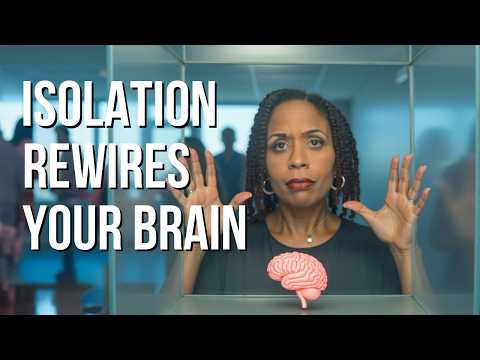
Hey, you ever feel like you’re surrounded by people but still kinda… alone? It’s such a weird feeling, right? Like, you’re at a party, laughing, and then suddenly you space out. You wonder if anyone really gets you.
Loneliness isn’t just about being physically alone. It messes with your head in ways that might surprise you. Sometimes it sneaks in when you least expect it—like when you’re scrolling through social media and everyone seems happier than you.
But spotting the signs can be tricky. So, let’s chat about what to look for. Because recognizing those feelings is the first step to dealing with them. I mean, who wants to feel lonely? Not me!
Recognizing the Early Warning Signs of Isolation: A Guide to Mental Health Awareness
Isolation can sneak up on you. One minute, you’re hanging out with friends or family, and the next, you’re spending nights alone in your room, scrolling through your phone. It’s tough to spot when that shift happens because it often creeps in slowly. Understanding the early warning signs can really help you or someone you care about.
You might find yourself feeling more detached. It’s like being at a party but not really being there, if you know what I mean. You smile and nod, but inside, it feels like an empty space. You catch yourself avoiding plans that used to excite you. Maybe you used to love grabbing coffee with friends, but suddenly it feels like too much.
Another sign? Changes in mood. Do you notice yourself feeling down or irritable more often than usual? Maybe something that once made you laugh just falls flat now. Fluctuating emotions can be a big indicator that something’s off.
Just think about the lack of interest in socializing. You might start cancelling plans or coming up with excuses not to meet up with people. That’s totally normal sometimes—everyone needs me-time—but if this becomes a pattern? That’s when it gets concerning.
Then there’s the pressure of social media. It can feel like everyone else is having a blast while you’re sitting at home alone. Scrolling through those perfect posts might make things worse instead of better. It’s easy to compare yourself and feel even more isolated.
Oh, and let’s not forget about physical health. Stress from isolation can lead to changes like poor sleep or even weight fluctuations—loss or gain for some folks. Your body reacts to mental shifts too!
Connections are vital, so keep an eye out for those little warning signs:
- Feeling lonely, even when around others.
- Losing touch with hobbies.
- Avoiding social gatherings, even family events.
- Feeling overwhelmed by the idea of interacting.
- Irritability or mood swings.
- Poor sleep patterns or appetite changes.
- Coping through unhealthy habits, like excessive drinking.
These signs can weigh heavy on anyone’s heart, trust me—I’ve seen people struggle with this first-hand. A friend of mine went through a rough patch after moving to a new city for work. She started isolating herself without realizing it; she’d skip out on lunch invites and ghost text messages from old buddies. Over time, she felt worse than ever—but realizing her pattern was the first step toward change.
If you notice these signs in yourself or someone close to you, reaching out for support is crucial! Having honest conversations about mental health is super important; it might just save someone from digging deeper into isolation’s dark hole.
So watch for those little shifts! Isolation can spiral fast if we’re not paying attention, and staying connected—whether through friends, family, or even therapy—is key in keeping our mental health strong!
Understanding the Connection: Mental Illnesses Linked to Loneliness and Their Impact
Mental illness and loneliness have this tricky, tangled relationship going on. Seriously, they can feed off each other like a cycle that’s hard to break. So, let’s unpack this a bit.
When we talk about **loneliness**, it isn’t just about being physically alone. It’s more about feeling disconnected from others—even in a crowd. This emotional experience can lead to some pretty harsh mental health issues like depression or anxiety. And guess what? People who are struggling with these conditions often feel lonelier, creating this exhausting loop.
- Lonely feelings can heighten anxiety. You might feel intense worry or fear when you’re isolated, making it even harder to reach out for help.
- Depression loves loneliness. The weight of sadness can feel heavier when you’re alone, making every little thing seem overwhelming.
- Social withdrawal happens. When people feel lonely, they sometimes pull away from social interactions altogether, which only increases that sense of isolation.
Let me tell you about Jane—she was always the life of the party but started feeling empty and disconnected during the lockdowns. Even with friends texting her daily, she felt so alone. That sense of loneliness dragged her into deeper sadness and anxiety—she couldn’t even muster the energy to reply half the time!
And it’s not just that feeling lonely impacts mental health—it also harms your physical well-being. Studies show that prolonged loneliness can lead to things like heart disease and weakened immune responses. Those connections with others aren’t just good for your emotional state; they literally keep your body in check.
So if you find yourself feeling lonely often, look out for these symptoms:
- Drastic changes in sleep patterns. You might find yourself sleeping too much or not at all—both signals your mind is overworking.
- Losing interest in things. Hobbies, activities—things that once brought joy may not seem worth it anymore.
- A constant low mood. Feeling sad or down on an ongoing basis could be a sign that loneliness is creeping into your life.
Connecting back to those mental illnesses like depression and anxiety—it gets complicated because the effects feed back into each other. But here’s the deal: recognizing those feelings is the first step toward finding connections again.
If you’re feeling lonely and suspect it’s impacting your mental health, reaching out for help is key! Whether it’s talking to friends or seeking professional support through therapy or counseling—the important thing is not getting stuck in that cycle.
So remember: understanding loneliness and its connection to mental illness can open up pathways toward healing. It may feel daunting at first but taking small steps can make all the difference.
Understanding the Impact of Loneliness on Mental Health: Effects and Strategies for Well-Being
Loneliness is, honestly, one of those feelings we all encounter at some point. It’s like that heavy blanket that just won’t let up. You know? It can creep in when you’re at a party but still feel alone, or even when you’re scrolling through social media and see everyone else’s “perfect” lives. That feeling of disconnect can be intense.
The effects of loneliness on mental health are pretty serious. Long-term loneliness can lead to anxiety, depression, and even increase the risk of chronic conditions. Studies show that being isolated can affect how we think and feel. It’s like a vicious cycle—feeling lonely might make you withdraw even more, which then intensifies those feelings.
You might wonder what exactly loneliness looks like. Well, it often hangs around as:
- A constant feeling of emptiness or hopelessness.
- Feeling disconnected from others even in social situations.
- Having trouble sleeping or feeling fatigued.
- An increase in negative thoughts about yourself or your situation.
And then there’s the emotional toll it takes—like when you catch yourself daydreaming about friendships that feel out of reach. I remember a friend telling me how she felt invisible at work, despite being surrounded by people all day. That sense of isolation really weighed her down and affected her performance and joy.
So what can you do if loneliness knocks on your door? Here are some strategies to boost your well-being:
- Reach out to someone: Whether it’s a friend or family member, just talking about how you feel can lighten the load.
- Join a community group: Getting involved in activities you enjoy opens up chances to meet new people who share similar interests.
- Practice self-compassion: Be kind to yourself! Acknowledge that feeling lonely is part of being human.
- Consider therapy: Talking to a professional can provide tools and support tailored for your situation.
It’s also good to remember that loneliness isn’t always about being physically alone; sometimes it’s emotional isolation—that nagging sense that nobody gets what you’re going through.
Trying one or more of these strategies might help lighten the emotional fog. You’re not alone in this struggle; many folks wrestle with feelings of loneliness too. So acknowledging it is already a step toward brighter days ahead!
Loneliness is this sneaky little thing, you know? It can creep up outta nowhere and settle into your life. You might be surrounded by people, yet still feel utterly alone. I remember a time when I was at a party, laughing and chatting with friends. But inside, I felt like I was watching everyone from behind a glass wall. That feeling of isolation is something many of us can relate to.
So, how do you know if you’re experiencing loneliness? Well, it’s not just about being physically alone. Sometimes it’s about feeling disconnected or misunderstood. You might notice that you’re withdrawing from social activities you once enjoyed. Or maybe those moments when you’re with friends just don’t hit the same anymore, right? It’s like you’re there but not really *there*, if that makes sense.
It can show up in little ways too. You might find yourself scrolling through social media late at night, looking at snapshots of other people’s lives while feeling a sense of emptiness in your own. It’s pretty wild how you can be surrounded by so many people online and still feel this deep sense of isolation.
Emotionally, loneliness can mess with your head, making you feel sad or anxious more often than usual. You could even start doubting your worth or thinking no one really gets you. It’s tough when those feelings start to pile up because they can lead to more serious mental health issues like depression.
The thing is, recognizing these symptoms is a huge first step in turning things around. Just think about how refreshing it feels to reach out for help—even just telling someone how you’re feeling can lighten the load a bit. Maybe it’s time to reconnect with folks who really see you or join an activity where you can meet new people who share similar interests.
Honestly, tackling loneliness isn’t always easy; it doesn’t happen overnight. But the journey starts with being aware of what you’re feeling and taking small steps towards connection—not just with others but also within yourself too. So yeah, if you’re finding yourself nodding along to any of this, don’t hesitate to reach out and talk it over with someone who cares; it’s totally worth it!