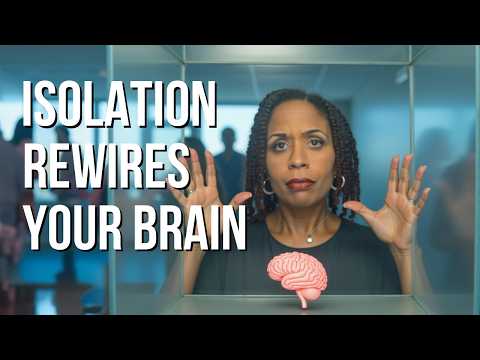
Hey, have you felt it? That nagging sense of being alone, even when you’re surrounded by people? Seriously, it’s like we’re all connected but somehow drifting apart.
Loneliness is becoming this big deal lately. It’s not just about feeling blue; it impacts your mental health in ways you might not even realize.
I mean, think back to a time when you felt completely isolated. Remember that? It can be pretty heavy. The thing is, so many folks are struggling with this right now. That’s what we’re gonna chat about—how loneliness sneaks into our lives and messes with our heads. Let’s get into it!
Understanding the Loneliness Epidemic: Key Statistics and Insights for Mental Health Awareness
The loneliness epidemic is real, and it’s kind of a big deal. It’s like we’re all sitting in our rooms, scrolling through social media, while feeling totally disconnected from each other. You can see why this is getting the attention of mental health experts.
Recent studies show that around one in three adults often feel lonely. That’s like if you walked into a crowded room and noticed that every third person looked pretty isolated, just hanging out in their own bubble. Crazy, huh? It’s not just about being alone; it’s about that nagging feeling you get when you’re not really connecting with anyone.
So, what does loneliness actually do to you? Well, it’s more damaging than you might think! Studies have linked chronic loneliness to serious health issues like depression and anxiety. Imagine feeling so isolated that it brings on a wave of sadness or panic attacks—it can be really tough.
And get this: research indicates that loneliness can be as harmful to your health as smoking 15 cigarettes a day! That’s wild and kind of scary when you think about how many people are dealing with this on the daily.
There are some groups more affected than others. For instance:
- Young adults—Despite being more connected digitally, they often feel the weight of loneliness.
- Elderly individuals—Many face isolation due to mobility issues or losing friends and family.
- LGBTQ+ youth—This group experiences higher rates of rejection and isolation.
This loneliness thing isn’t disappearing anytime soon either. The pandemic kinda turbocharged our feelings of disconnectedness; people were forced into isolation, which led many to realize just how lonely they were before all this started.
But here’s where things get hopeful: recognizing loneliness is the first step toward changing how we connect with each other. Small gestures can make a big difference—a text to check in on someone or reaching out for coffee (that stuff counts!).
You know that warm feeling you get when someone remembers your birthday? Yeah, those little moments matter a lot more than we give credit for. So don’t shy away from reaching out or even seeking help when those feelings hit hard.
In short, while we navigate this growing loneliness epidemic together, it becomes increasingly important to prioritize genuine connections—something we all crave deep down inside. Finding ways to support one another can lead us back towards better mental health for everyone involved.
Understanding Loneliness: Key Statistics on Its Impact on Mental Health
Loneliness is becoming more than just a feeling; it’s turning into a real issue for a lot of people. Seriously, it’s like we’re all in the same room but still feeling isolated. And the stats around it? Well, they’re pretty eye-opening.
First off, let’s look at some numbers. Studies show that about one in three adults report feeling lonely. It’s not just a teen thing; it affects older folks too. Believe it or not, nearly 40% of seniors say they often feel lonely. That’s huge when you think about how that can impact their overall health.
Now, loneliness doesn’t just hang out on its own—it often plays tag with mental health problems. People who feel lonely are more likely to struggle with anxiety and depression. To put it plainly, being isolated can lead to a pretty deep spiral of negative thoughts and feelings. It’s like you’re stuck in this loop where you feel sad because you’re alone and then feel even more alone because you’re sad.
But wait, there’s more! Research shows that loneliness can affect your physical health too. Seriously! It increases the risk for conditions like heart disease and decreases your immune function. You end up being more susceptible to all sorts of things when you feel cut off from others.
And here’s something else: kids aren’t immune either. Reports suggest that around 20% of children experience chronic loneliness during their formative years, which can shape their social skills down the line. Imagine those kids growing up without knowing how to connect with others! That kind of isolation in youth can have lasting effects on emotional regulation and resilience.
So what do we do about this? Well, acknowledging loneliness is a big step. Try reaching out to someone—family, friends, or even community groups can help build that connection back up. You might find those shared moments bring a little light back into your life.
In summary, loneliness is more than just an occasional feeling; it has real consequences for mental and physical health across all ages. This epidemic needs attention because it affects us all in one way or another! Remember, connection matters—and it’s never too late to reach out or lend a hand to someone who might be struggling with loneliness themselves.
Effective Strategies to Combat the Loneliness Epidemic and Reconnect
Feeling lonely is like being in a crowded room and still feeling isolated. It’s a serious issue, and more people are experiencing it than ever before. The thing is, loneliness can seriously mess with your mental health. It’s linked to anxiety, depression, and even physical health problems. But hey, there are ways to combat this loneliness epidemic and really reconnect with yourself and others.
First off, acknowledging your feelings is key. It might be tough to admit you’re feeling lonely, but awareness is the first step toward change. You know that moment when you realize you haven’t talked to anyone in a while? That can be your cue to reach out.
Engaging in social activities helps too. It doesn’t matter if it’s joining a local sports team or going to community events—just getting out there can make a huge difference. For example, if you like painting, look for art classes around your area where you could meet new people who share your interests.
- Volunteer work can be life-changing—not just for those you help but also for you! Helping others creates connections that can fill that lonely void.
- Online platforms are another avenue worth exploring. Find groups on social media that focus on things you love—be it books, gardening, or even weird cat videos!
- Reconnect with old friends. A simple “Hey! How have you been?” could reestablish bonds that have faded over time.
You might also consider mindfulness practices. With techniques like meditation or deep breathing exercises, you can calm those racing thoughts and become more attuned to the present moment. Feeling grounded often helps highlight the connections around you.
If you’re comfortable talking about your feelings – don’t hesitate to reach out for professional support. Therapists can provide coping strategies tailored just for you. Sometimes voicing what’s inside is all it takes to start feeling less alone.
Create routines that incorporate social interactions, even if they’re small steps at first. Maybe have coffee with a friend weekly or attend a trivia night every month—it builds anticipation! Routine also gives structure; something positive to look forward to when those feelings of loneliness creep back in.
You know what’s interesting? Sometimes volunteering at shelters or community kitchens not only helps those in need but also gives volunteers a sense of purpose and connection—both vital when you’re feeling lonely.
The bottom line is: combatting loneliness isn’t always easy; it’s something many of us struggle with from time to time. But making small changes in how we connect with others or even ourselves can spark significant adjustments in our emotional well-being. So go ahead—reach out! You never know who else might be craving connection just as much as you are!
You know, sometimes it feels like we’re all living in this crazy, hyper-connected world, and yet so many of us are feeling lonelier than ever. It’s like we’ve got a ton of friends online but no one really gets what we’re going through in real life. Just the other day, I was chatting with a friend who mentioned how despite having hundreds of followers on social media, she felt really isolated and disconnected. It hit me—she’s not alone in that feeling.
It’s wild to think about how loneliness isn’t just about being physically alone; it also seeps into our minds. When you’re feeling isolated, your brain reacts in ways that can impact your mental health big time. You might find yourself feeling anxious or even depressed. Seriously, studies have shown that loneliness can increase the risk of all sorts of mental health issues. And for some folks, it spirals into more severe problems that impact daily life.
Sometimes I wonder if our expectations are part of the issue. We scroll through perfect pictures and curated lives on Instagram or Facebook and feel this pressure to be «happy» all the time. But behind those shiny posts? There’s often another story—a struggle for connection and belonging that many people don’t share openly.
One thing I’ve noticed is how important it is to find genuine connections, even if they seem few and far between these days. Like my friend who decided to join a local book club—she didn’t go in thinking she’d make lifelong friendships right away. But slowly, she started chatting with people over shared interests which made her feel less alone.
It’s tough out there when you’re battling this loneliness epidemic. It’s not just about reaching out; it’s also about picking up on those moments when someone could truly use some company or support—even if it’s just a simple text or coffee catch-up. We have to remind ourselves that vulnerability is okay; we don’t always have to wear a mask showing everything is fine.
So yeah, let’s keep talking about loneliness because it’s real, and it’s affecting so many of us in different ways—maybe it starts with being honest about how we’re feeling and taking tiny steps towards connection again, you know?