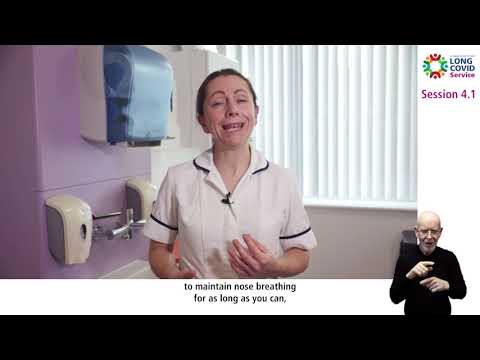
Hey there! So, you know how long Covid can really mess with not just your body, but your mind too? It’s like you’re stuck in this fog that never quite lifts.
But here’s the thing: breathing exercises can be a lifesaver. Seriously. They’re like little gifts you can give yourself to build some mental resilience.
I tried them, and honestly, it felt like finding a tiny light in a dark room. Just a few minutes of focused breathing helped calm the chaos in my head. It was a game changer!
Want to explore these exercises together? Let’s dive in!
Effective Breathing Exercises to Alleviate Long COVID Symptoms
Long COVID can be a real drag, right? One of the sneaky symptoms people often deal with is breathlessness or, you know, just feeling a bit off when it comes to breathing. That’s where breathing exercises can really step in and help out. Let’s talk about some effective techniques you can use to ease those pesky symptoms.
First off, deep breathing is a game-changer. It’s all about filling your lungs completely. When you breathe deeply, you’re not just giving your body more oxygen; you’re also sending a signal to your brain that everything’s cool. You could try this:
1. Find a comfy spot: Sit or lie down where you feel relaxed.
2. Inhale deeply through your nose: Take in as much air as you can. Hold it for a couple of seconds.
3. Exhale slowly through your mouth: Let the air out gently, like you’re blowing through a straw.
4. Repeat this 5-10 times: You’ll start to feel more centered and calm.
Another great technique is **4-7-8 breathing**. This one’s super simple but super effective:
1. Inhale for 4 seconds: Count slowly in your head as you breathe in.
2. Hold for 7 seconds: This part might feel weird at first but it’s key to calming yourself down.
3. Exhale for 8 seconds: Make it a long and steady release.
You see why it helps? It makes your body slow down and can really help with anxiety too.
And here’s something that might surprise you: **making it rhythmic** can enhance effectiveness! Try pairing gentle movement with your breath—for example, lifting your arms overhead while inhaling and lowering them while exhaling. This creates a lovely flow that makes the whole process feel even more natural.
One thing worth mentioning is **mindful breathing** too; it’s all about being aware of each breath without rushing through it or judging how you’re doing:
1. Sit quietly: Just focus on how the breath feels entering and leaving your body.
2. Notice thoughts without attaching to them: Acknowledge distractions but gently guide yourself back to focusing on the breath.
Finally, incorporating these exercises into daily routines can make all the difference over time! Even if it’s just five minutes here and there while watching TV or waiting in line—it adds up!
So remember, when things feel heavy or hard to breathe through because of Long COVID symptoms, using these breathing exercises regularly could be what helps ease that tension and keeps you feeling resilient!
Mastering the 111 Breathing Technique: A Simple Guide to Stress Relief and Mindfulness
Breathing techniques can be real game changers, especially when you’re feeling overwhelmed or stressed. One technique that’s been gaining some attention is the **111 Breathing Technique**. It’s simple and can help you feel more relaxed and centered, which is especially important if you’re dealing with long Covid symptoms.
So, what exactly is the 111 Breathing Technique? Well, it’s pretty straightforward. The idea is to breathe in for a count of **4**, hold that breath for another count of **4**, and then breathe out for a count of **7**. That’s your basic formula: 1-1-1.
Why does it work? Look, stress often leads to shallow breathing. This method encourages deeper breaths, helping your body switch from that fight-or-flight response to a more relaxed state, you know? It’s kind of like hitting the reset button on your nervous system.
When you breathe in deeply for those 4 counts, you’re filling your lungs to capacity. It helps increase oxygen flow and gives your body a chance to relax. Holding it for 4 seconds lets that oxygen circulate a bit longer, which is super helpful! And then when you exhale slowly over 7 counts, it’s like you’re blowing away all the tension and anxiety.
Here’s how to do it:
- Find a comfortable place where you can sit or lie down.
- Close your eyes if that feels good or just soften your gaze.
- Start by inhaling deeply through your nose for 4 counts.
- Hold that breath in for another 4 counts.
- Now exhale slowly through your mouth for 7 counts.
You might not get it perfect at first—but don’t sweat it! Just try to keep practicing whenever things feel heavy. Each time you do this exercise, you’ll likely find yourself feeling calmer and more present.
A friend of mine struggled with anxiety after getting long Covid. She started using this technique every morning. At first she was skeptical—thought it was too simple—but soon she noted how much easier her day felt when she’d take just a few minutes to breathe like this before diving into her routine.
Another thing worth mentioning is that mindfulness plays a key role here too. When you’re focused on counting those breaths, your mind doesn’t have much room left over to wander into anxious thoughts or stressors hanging over you—you’re bringing your awareness back to the present moment.
Here are some extra tips:
- You could try doing this while listening to relaxing music or nature sounds if silence ain’t your vibe.
- If you’re feeling extra anxious at any point throughout the day—like during meetings or social situations—just excuse yourself for a quick breather!
Incorporating the **111 Breathing Technique** into your daily routine could help create a little island of peace amidst life’s chaos. Remember, mastering comes with practice! So take your time with it—it’s all about progress rather than perfection.
Understanding the Impact of Long COVID on Breathing: Insights into Respiratory Health
Long COVID, it’s a real challenge for lots of folks. Seriously, the effects can linger long after you’ve had the virus. One of the biggest issues people report is trouble with breathing. It’s like, just when you think you’re on the mend, bam—breathing problems hit. Let’s unpack what this means for your respiratory health.
Breathing Difficulties
Many people who experience long COVID often talk about breathlessness or a feeling of tightness in their chest. Imagine climbing a few flights of stairs and feeling like you just sprinted a marathon. This can be frustrating and super scary! For some, it might feel like they can’t get enough air, leading to anxiety or panic attacks on top of everything else.
Why Does This Happen?
So, here’s the thing. COVID-19 can cause inflammation in your lungs and airways. This inflammation might stick around even once you’re considered “recovered.” Your body’s immune response could still be kicking into gear, which messes with how well your lungs work. It can feel like running with a weight vest on.
Coping Strategies
Now, let’s talk about some strategies you can use to help manage these breathing issues:
- Breathing Exercises: Simple exercises help strengthen your lung capacity over time. Things like diaphragmatic breathing or pursed-lip breathing can make a big difference.
- Pacing Yourself: It’s okay to take it slow! Don’t push yourself too hard too fast; try breaking up tasks into smaller chunks.
- Meditation and Mindfulness: These practices can help lower anxiety around breathlessness. They train your mind to stay calm.
There was this one friend of mine who noticed that after COVID-19, even talking on the phone left her gasping for air sometimes. We started doing some simple breathing exercises together during our calls. Over time, she said she felt more in control and less anxious about her breaths.
The Importance of Seeking Help
You don’t have to go through this alone! If you’re struggling with breathing or other long COVID symptoms, reaching out to a healthcare professional is key. They can provide tailored advice and possibly recommend physical therapy focused on respiratory health.
Also consider joining support groups—connecting with others who are facing similar hurdles is not just comforting but also empowering.
In short, dealing with long COVID’s impact on breathing is tough but manageable with the right tools and support! You’ll find ways to cope; it just takes time and patience as you navigate this path towards better health again.
Breathing exercises can be a total game-changer, especially for folks dealing with long COVID. Seriously, it’s wild how something as simple as your breath can really help you tackle those mental ups and downs that come with this condition.
I remember chatting with a friend who had been struggling with fatigue and all these weird symptoms after getting COVID. She felt like she had lost herself, you know? One day, she stumbled upon some breathing techniques online and decided to give them a shot. At first, she was skeptical, thinking, “How can breathing help me feel better?” But then she sat down one afternoon, closed her eyes, and just focused on her breath. And you know what? It helped clear her head a bit and brought some calmness into the chaos.
Breathing exercises are not just about deep inhales and exhales; they help anchor you in the present moment. When you’re overwhelmed by fatigue or brain fog, it’s easy to spiral into worries about the future or replay the past over and over again. But focusing on your breath? It’s like hitting the pause button for a minute.
The science behind it is pretty cool too. Engaging in deep breathing activates your body’s relaxation response—think of it as flipping a switch from “crazy stress mode” to “let’s chill out.” This can lower anxiety levels and even help improve your mood overall. And honestly who doesn’t want that?
But here’s the thing: it may take some practice to really get into it. You can start small; just try taking five minutes when you wake up or before bed to focus on your breath. Breathe in for four counts, hold for four counts, then exhale for six counts—feels good, right?
So if you’re navigating long COVID and feeling mentally drained or anxious all the time, maybe give those breathing techniques a try! They might not solve everything, but they could be that little bit of peace you need amidst all the chaos. And who knows? You might just find that sense of resilience building up in ways you didn’t expect!