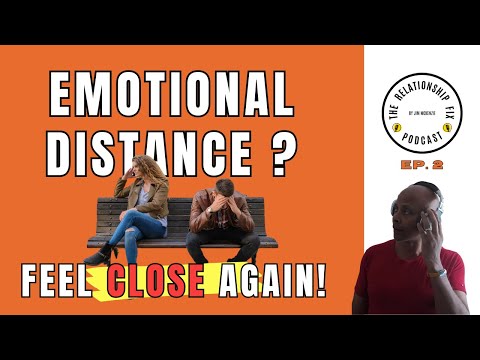
So, like, ever felt miles apart from your partner, even when you’re sitting right next to each other? Yeah, that’s rough. Emotional distance can turn cozy nights into awkward silences pretty quickly.
You might think it’s just a phase or something that’ll sort itself out, but honestly, it doesn’t always work like that. That feeling of drifting can sneak up on you and make things feel… well, not so great.
Couples therapy can be a game-changer here. Seriously! It’s not just about talking; it’s about digging deep and reconnecting in ways you might’ve forgotten about.
Even if you’re nervous about diving into those heavy feelings, this journey can lead to understanding each other so much better. So if you’re curious about bridging that gap, let’s chat about what navigating emotional distance looks like!
Recognizing the Signs of Emotional Distance in Relationships: What You Need to Know
Recognizing emotional distance in relationships can feel like navigating a tricky maze. You might notice things have changed without really knowing why. And trust me, you’re not alone in this. Many people find themselves feeling disconnected from their partners sometimes, and figuring out if it’s just a phase or something deeper can be daunting.
So, let’s break it down a bit. Emotional distance often shows up in various ways, and it’s important to recognize these signs before they create a bigger rift.
1. Decreased Communication: One of the first things you might notice is that conversations become less frequent or start feeling really surface-level. You’re exchanging polite “How was your day?” but missing the juicy stuff—the real feelings underneath.
2. Lack of Physical Affection: Remember those cozy moments where cuddling, holding hands, or even playful teasing were common? If physical touch has dwindled or feels awkward now, that’s a red flag. It’s like someone turned off the warmth.
3. Increased Irritation or Criticism: Have you caught yourself snapping at each other over little things? A minor disagreement suddenly spirals into a huge fight? This often happens when people feel disconnected; they project their frustrations onto their partner instead of addressing deeper issues.
4. Withdrawal from Shared Activities: If one partner starts pulling away from activities you used to enjoy together—like movie nights or weekend hikes—that could be a sign of distancing feelings. It can feel like there’s an invisible wall growing between you two.
5. Emotional Unavailability: Sometimes one person might seem emotionally checked out, not wanting to discuss feelings or share personal experiences anymore. Maybe they’re burying themselves in work or hobbies instead of engaging with you.
You know what’s wild? Being emotionally distant doesn’t always mean someone wants out of the relationship. A lot of times, it comes from fear—fear of vulnerability, fear of being hurt again, or just plain old stress that makes everything else hard to handle.
Let me share an example: Sarah and Jake had been together for years but lately felt like they were living separate lives under the same roof. Sarah noticed Jake was spending more time gaming and less time talking to her at night when they used to catch up about their days. She felt lonely and started withdrawing too because she didn’t want to make things awkward by pushing him for chats that he didn’t seem interested in anymore.
Now, here’s where couples therapy can come into play! It offers a safe space for both partners to express what’s going on without judgment—and sometimes having a neutral person helps clear the air big time! When Sarah and Jake finally went to therapy, they both realized how much they missed each other and needed help recognizing those emotional barriers they’d built up over time.
In short, spotting emotional distance isn’t always easy but being aware can be such a game-changer for your relationship’s health! Open communication is key; if you think something’s off—even if you’re unsure—talk about it! The effort matters more than perfection when reconnecting with your partner amidst life’s chaos.
Effective Strategies to Bridge Emotional Distance in Your Relationship
So, let’s talk about emotional distance in relationships. You know that feeling when you and your partner are like ships passing in the night? It can be tough, right? Here are some strategies to help bridge that gap and bring you closer together.
1. Open Up Communication
First off, communication is key. Seriously, it’s like the bridge between two islands. When you start talking about your feelings—both good and bad—it opens up a whole new world. Try setting aside time each week to share how you’re feeling. Make it a safe space where neither of you feels judged or attacked.
Think about it: You could say something like, “Hey, I’ve been feeling a bit distant lately. Can we talk?” This kind of honesty lays the groundwork for real connection.
2. Practice Active Listening
But communication isn’t just about talking; it’s also about listening. I mean like really listening, you know? That means giving your full attention when your partner is speaking. Put down your phone and make eye contact. Nod along or even repeat back what they said to show that you’re following them.
For example, if they express concern about work stress, don’t just nod and say “uh-huh.” Say something like, “I hear you saying that work has been overwhelming for you.” This validates their feelings and makes them feel understood.
3. Be Vulnerable
Vulnerability can feel super scary, but it’s so important for intimacy! Share something personal with your partner that might not be easy to talk about. It could be as simple as mentioning an old fear or a past hurt.
Imagine telling them why you sometimes get upset over small things; maybe it’s tied to something deeper from childhood. Being open like this can create an emotional bond that brings you closer together.
4. Spend Quality Time Together
Life gets busy, but carving out time for each other is essential! Plan activities that both of you enjoy—maybe it’s cooking dinner together or taking a walk in the park.
And remember, it’s not just about being in the same room; it’s about being present with each other! Like in those moments when you’re laughing over a shared memory—those little moments count big time!
5. Seek Professional Help
Sometimes navigating emotional distance can feel impossible on your own—even with all these strategies! If that’s where you’re at, couples therapy might be an option worth considering.
A professional can guide both of you through these tricky waters with tools tailored to your specific needs as a couple.
Keep in mind: It doesn’t mean there’s something wrong with your relationship—it’s more like tuning up a car before taking a long road trip!
6. Create Shared Goals
Lastly, having common goals can unite you two against the world! Whether it’s planning a vacation or working toward financial stability together—sharing dreams gives your relationship purpose.
You could write down dreams on paper and chart out steps on how to achieve them together! It brings excitement into the relationship and helps align both of your paths moving forward.
All in all, bridging emotional distance isn’t just one thing; it’s an ongoing process involving effort from both sides. Remember, you’re on this journey together—supporting each other through thick and thin will help strengthen your bond over time!
Understanding Emotional Distance: Real-Life Examples and Insights
Emotional distance can be tricky, especially in relationships. It’s that feeling when you’re sitting next to someone but, emotionally speaking, miles apart. You want to connect, but somehow, it just doesn’t happen. Let’s break this down a bit more.
What is Emotional Distance?
Emotional distance is basically when one or both partners feel disconnected from each other. This can happen for various reasons: stress from work, unresolved conflicts, or sometimes just life getting in the way. It creates a gap where intimacy and communication should be.
Imagine a couple named Jane and Tom. They used to share everything—from little daily annoyances to big dreams about the future. But then life got busy. Jane’s work demanded more of her time while Tom got caught up in his hobbies. Over time, they stopped talking about their feelings as much. Instead of drawing closer, they grew apart, feeling more like roommates than partners.
Signs of Emotional Distance
There are some clear signs that something’s off:
- Lack of communication: Conversations become shallow or routine.
- Increased irritability: Little things start to bug you more than they should.
- Avoidance: One partner may avoid discussions that could lead to emotional closeness.
- Crisis moments: Arguments may arise out of pent-up feelings because no one’s talking about what’s really bothering them.
When Jane realized she was only talking to Tom about groceries and plans for the weekend—which aren’t exactly heart-to-heart conversations—she felt concerned.
The Role of Couples Therapy
That’s where couples therapy can come into play! A therapist offers a safe space for both partners to explore these feelings without judgment. They might use techniques like active listening, encouraging each partner to express their thoughts and feelings openly.
During therapy sessions with Jane and Tom, the therapist might encourage them to share their daily experiences—what makes them happy or stressed—and how those emotions impact their relationship. It helps rebuild connections by addressing unmet needs.
Tackling Emotional Distance Together
So how can couples navigate this emotional gap? Here are some practical steps:
- Practice open communication: Share thoughts and feelings regularly.
- Engage in quality time: Try new activities together or revisit old favorites.
- Acknowledge feelings: Give space for both partners’ emotions; it’s okay to feel differently.
- Seek outside help if needed: Sometimes having an extra set of ears can make a huge difference.
Jane began scheduling weekly “date nights.” At first, it felt awkward; they weren’t used to sharing deeper conversations anymore. But slowly, they found ways back into each other’s hearts—reminding themselves what brought them together in the first place.
The Importance of Reconnection
In summary, understanding emotional distance is crucial for any relationship aiming for growth and intimacy. You have to recognize when things start drifting apart and take steps together toward reconnecting.
Through conversations and therapy sessions—a little patience goes a long way—you can bridge that gap and bring back those warm fuzzy feelings between you two again! Seriously hard work sometimes? Yes! Worth it? Absolutely!
So, you know how sometimes, in relationships, things just feel… distant? Like there’s this invisible wall between you and your partner. That can be super tough, especially when you’re trying to communicate or connect. I remember my friend Sarah talking about this. She and her boyfriend had been together for a few years when she suddenly felt like they were miles apart. Seriously, they were in the same room but didn’t seem to be on the same page at all.
When couples hit that emotional distance, it’s easy to feel lost. You might find yourselves arguing over little things or just going through the motions—like two ships passing in the night, you know? It can feel frustrating because it’s not always clear what started it or how to fix it.
In couples therapy, addressing that emotional gap is key. Therapists often encourage partners to express their feelings openly. It’s about creating a safe space where both people can share what they’re feeling without judgment. Sometimes that means digging into some uncomfortable stuff—past hurts, unmet needs, or just life stressors that have built up between them over time.
Think about it: maybe one partner feels unappreciated while the other feels overwhelmed and unable to show affection. Yikes! That struggle can lead to misunderstandings and hurt feelings if left unchecked. But through therapy, couples learn to recognize these patterns and work together to break them down.
Sarah told me how eye-opening it was for her and her boyfriend when their therapist pointed out their communication styles weren’t matching up at all. She was more of a talk-it-out type, while he tended to retreat into silence when things got tough. It was like they were trying to solve a puzzle with pieces that didn’t fit.
It takes time and patience though—and vulnerability too! Not always an easy combo when you’re feeling distant from your partner. But slowly sharing those inner thoughts and fears can bridge that gap.
The thing is, navigating emotional distance isn’t just about fixing what’s broken; it’s also about rediscovering each other in new ways—grabbing hold of what brought you together in the first place! Couples therapy can help steer back towards intimacy by encouraging connection amid chaos.
So yeah, if you’re feeling like there’s some distance brewing in your relationship, remember: there’s hope! Relationships are work—but they’re also about learning and growing together. Keep talking, keep reaching out—even when it’s tough—and lean on professionals who get what you’re going through if needed!