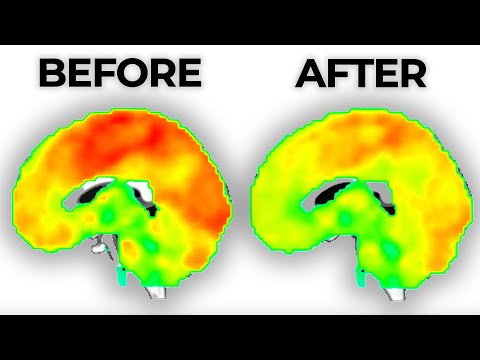
Hey there! So, let’s chat about antidepressants. You know, those little pills that are supposed to lift you up when you’re feeling down? It’s wild how they can change your mood, right?
But here’s the thing: what happens when you take them for a long time? That’s not always so clear-cut.
Some folks swear by them; others have mixed feelings. I mean, it can get pretty complicated. There’s a lot of talk about how they affect your mental health over time.
And, honestly, it’s not just black and white. Some people experience side effects that can be a real bummer! So, let’s dig into this together, okay?
Exploring the Long-Term Effects of Antidepressants on Brain Health: What You Need to Know
So, you’re curious about the long-term effects of antidepressants on brain health? That’s a super important topic, and trust me, it can be a bit complicated. But I’ll break it down for you in a way that makes sense.
First off, what are antidepressants? These are medications primarily used to treat depression and other mental health conditions. They work by balancing chemicals in your brain like serotonin and norepinephrine. This is crucial because these chemicals play a huge role in regulating mood.
Now, when we talk about long-term effects, it’s not just about feeling better for a few weeks or months. Some folks take these meds for years! And while they can be life-saving, there are things you might want to think about.
One major concern is brain chemistry changes. When you take antidepressants over time, your brain might adapt to the presence of those meds. This could mean your brain starts relying on them more than it should. For some people, this might lead to issues if they ever decide to stop taking them. Withdrawal symptoms can pop up—things like dizziness, nausea, or even increased anxiety.
Another point to consider is how these meds affect neuroplasticity. That’s the brain’s ability to change and adapt over time. Some studies suggest that long-term use may impact this process. You know how exercising can help your body grow stronger? Well, neuroplasticity helps keep your mind flexible and sharp. If depression changes how plastic your brain is, that could affect learning new things or forming memories later on.
And hey—don’t forget about side effects! Long-term use can lead to challenges like weight gain or sexual dysfunction for some folks. It’s not just about the drug working; it’s also about how you feel day-to-day in your body and mind.
Another thing worth mentioning is emotional blunting. Some people report feeling less emotionally responsive after being on antidepressants for a while—like their highs aren’t as high and their lows aren’t as low. This isn’t universal, though; it varies from person to person.
You might wonder if these medications have any impact on cognitive function, especially with long-term use. Some research suggests there could be minor cognitive deficits after years of use—but again, this isn’t the same for everyone.
In summary:
- Brain chemistry changes: Your brain might get used to the medication.
- Neuroplasticity: Long-term use might impact how adaptable your brain is.
- Side effects: Things like weight gain or emotional numbness can arise.
- Cognitive function: There’s some debate about potential minor impairments.
But here’s an important note: every person reacts differently to medication. What works wonders for one person could cause problems for another. So if you’re considering antidepressants—or already taking them—it’s really key to chat with your doctor regularly about how you’re feeling overall and any concerns you have.
Remember that taking care of your mental health is so personal! It’s all about finding what works best for *you*.
Understanding the Long-Term Side Effects of Antidepressants in Women: What You Need to Know
So, you’re curious about the long-term side effects of antidepressants in women? Well, let’s get into it. Antidepressants can help a lot of people. But it’s equally important to talk about what might happen when you take them for a while.
First off, not all antidepressants are created equal. There are different types, like SSRIs and SNRIs. Each works differently in your brain. SSRIs (selective serotonin reuptake inhibitors) boost serotonin levels. SNRIs (serotonin-norepinephrine reuptake inhibitors) do both serotonin and norepinephrine. This is important because the long-term effects can vary depending on which kind you’re on.
Now, let’s break down some specific concerns for women:
And here’s something that shouldn’t be overlooked: the impact on pregnancy and breastfeeding. If you’re thinking about having kids while on antidepressants, it’s crucial to chat with your doctor about how those meds could affect you and your future baby.
Also, mental health isn’t just about brain chemicals—it’s complicated! Stressors from life events can make things tricky even when you’re taking medication consistently.
A personal story here: A friend of mine was prescribed antidepressants during a rough patch in her life. She felt amazing at first! Then came the weight gain and loss of interest in sex with her partner over time. While she loved how stable she had become emotionally, there was this nagging feeling that went unaddressed for too long.
All this said, if you’re thinking about starting or stopping medication, always consult with a healthcare provider first. They know the ins and outs better than anyone else!
The thing is—understanding how these medications affect women long-term is super essential but often overlooked discussions in mental health circles. You really don’t want to just focus on getting better; it’s also vital to feel good while doing it!
Exploring the Long-Term Effects of Stopping Antidepressants: What You Need to Know
So, you’ve been on antidepressants and you’re thinking about stopping, huh? That’s a big decision. Let’s talk about some of the long-term effects that might pop up after you stop taking them. Just a heads up—this info isn’t one-size-fits-all; everyone’s experience can be quite different.
First off, it’s important to realize that going off antidepressants can lead to withdrawal symptoms. These symptoms might include things like dizziness, fatigue, or irritability. It’s often called “discontinuation syndrome.” You know how your body can feel out of whack when you skip your morning coffee? Similar vibes here.
In terms of your mental health, you could face a return of depressive symptoms. You might think that life is super manageable now that you’re off the meds, but sometimes those old feelings can come creeping back. It can be frustrating and confusing if you’re not prepared for it.
Another thing to consider is how stopping medication might affect your anxiety levels. Some people report an uptick in anxiety post-medication. Imagine feeling butterflies in your stomach before a big presentation—only now it’s happening more often and for no clear reason.
Now, let’s talk about your brain a little bit. Antidepressants change the way certain chemicals work in your brain over time. When you stop taking them suddenly, your brain may take some time to adjust back to its original state—or find a new balance altogether! This adjustment period varies; for some folks, it can last weeks or even months.
Also, there’s this concept called emotional blunting, which happens while on meds—you know that feeling where everything feels a little muted? Once you stop the drugs, there could be an emotional “reawakening,” so to speak. At first, it might feel nice to experience feelings again but then comes the rollercoaster ride with ups and downs that might feel overwhelming.
It’s also worth noting how stopping can impact your relationships. If you’ve had some ups and downs while on medication but felt like you were getting better over time, suddenly removing that safety net might shift dynamics with family or friends who’ve relied on the «new you.» Communication becomes key here; open discussions help manage expectations on both sides.
It’s crucial to remember there are no hard-and-fast rules here because everyone reacts differently based on personal history and lifestyle factors. To be honest though—many experts recommend tapering off rather than stopping cold turkey so as to minimize any nasty side effects.
When it comes down to it, if you’re considering making any changes with your medication routine—like stopping antidepressants—it’s super important to connect with a healthcare professional first! They’ll help ensure you’re doing what’s best for both body and mind without unnecessary bumps along the way.
So yeah, while thinking about quitting those meds is totally valid—just keep in mind all these factors at play when making that decision. Your mental health journey is uniquely yours!
You know, when you think about antidepressants, it’s easy to get caught up in the immediate relief they can offer. Those moments when you finally feel like you can breathe again, like the weight of the world is lifting off your shoulders—it’s such a beautiful feeling. I mean, who wouldn’t want that? But then there’s this lingering thought about what using them long-term might do to your mental health.
A friend of mine, let’s call her Sarah, was on antidepressants for a while. She’d battled depression for years and when she started taking meds, it felt like a turning point for her. Her energy came back and she could laugh again. But after a couple of years, things started to shift. She noticed that while she was happier overall, some old feelings were creeping back in—like anxiety clinging to her like an unwanted shadow. It made her wonder if the medication was still helping or if it was just masking deeper issues.
So here’s the thing: there isn’t a universal answer when it comes to long-term use of antidepressants. For some people, they’re an essential part of managing their mental health; they provide stability and allow folks to engage with life more fully. For others though? Well, the narrative can be different—sometimes there are challenges like emotional blunting or feeling less motivated over time.
And really, long-term use can lead to physical dependency too. You might find yourself questioning whether you’re feeling good because of the meds or despite them—which is kind of unsettling if you think about it too much. Then there’s withdrawal symptoms if someone decides to stop taking them suddenly because finding out how to do that safely isn’t always straightforward.
But let’s not sugarcoat it either; stopping isn’t always just an issue of discomfort! Sometimes depression or anxiety can come back with a vengeance once someone stops taking their meds after a long period. It can feel really chaotic and overwhelming all over again.
At the end of the day, if you’re considering these kinds of medications—or are already on them—it’s super important to have open and honest discussions with your doctor or therapist about what’s going on in your world and how you’re feeling inside your head over time. Each person’s journey is unique—you know? What works for one might not work for another.
So really take care when navigating this stuff! Embracing therapy alongside medication can also help you uncover those deep-rooted issues rather than just skimming over them with pills alone. It all comes down to balance and staying aware that mental health isn’t just one-size-fits-all—it evolves just as we do.